|
|
|||||||||||||
|
Ostatnie 10 torrentów
Ostatnie 10 komentarzy
Discord
Kategoria:
Muzyka
Ilość torrentów:
24,359
Opis
...SIŁA I PIĘKNO MUZYKI TKWIĄ W JEJ RÓŻNORODNOŚCI..
..::OPIS::.. Jeśli ktoś wyczekiwał, że w 2020 roku na rynku reedycji pojawi się jakiś prawdziwy ‘killer’ to bez wątpienia wiadomość, która dotarła do nas już jakiś czas temu spełniła te oczekiwania w co najmniej 200 %. No ale nie może być inaczej, jeśli jedna z najwybitniejszych płyt w historii muzyki zostaje wydana w wersji 26 (!!!) dyskowej. Album In The Court Of The Crimson King o którym już pisałem na naszym blogu nie wymaga żadnej rekomendacji. Powiedziano o nim chyba wszystko i nie sądzę, aby ktokolwiek, kto zagląda na Rockową płytotekę mógł go nie znać na pamięć. Dlatego zamiast filozofować od razu skupimy się na zawartości najnowszego wydawnictwa legendarnych – King Crimson. Właściwie box nazywać się będzie The Complete 1969 Recordings, ale ponieważ w tym roku zespół nagrał tylko jeden (debiutancki) album i tak wszystko w tym pudełku kręcić się będzie wokół jego zawartości. Oczywiście opisanie i przeanalizowanie całej zawartości boxu wymagało by co najmniej habilitacji, dlatego zerkniemy na wszystko w nieco bardziej powierzchowny i przystępny sposób. Zaznaczmy jednak od razu, że w zestawie mają się znaleźć WSZYSTKIE nagrania sesyjne oraz mixy (o jakich wiadomo że istnieją), komplet zachowanych rejestracji koncertowych i radiowych z 1969 roku oraz wybór nagrań z okresu przed wydaniem legendarnego debiutu. Wydawnictwo rozpoczynają albumy live. Na siedmiu dyskach zamieszczono wydawane już wcześniej w różnych seriach i konfiguracjach legendarne występy zespołu m.in. w Hyde Parku czy Fillmore West i East. Ponoć specjalnie dla tej edycji wykonano nowe masteringi i zgranie materiałów z nośników źródłowych, co zauważalnie poprawiło ich jakość. Kolejne pięć kompaktów do wszelkie warianty zasadniczego albumu. A więc zremasterowana wersja z 1969 roku, remixy z lat 2009 i 2019 oraz masa dodatków, zawartych w poprzednich edycjach. Wreszcie to co chyba najciekawsze, czyli ostatnie 7 dysków. Zawierają one na nowo zmiksowane do stereo wszystkie istniejące zapisy z sesji nagraniowej. Z jednej strony słuchanie np. 11 podejść do i Epitaph może być nieco nużące, ale z drugiej przecież wszyscy od zawsze marzymy, aby poznać jak najwięcej zachowanych outtake’ów naszych ukochanych zespołów. Dodatkowe dwie płyty audio to wybór na nowo zgranych i zremasterowanych nagrań zespołu Giles, Giles & Fripp z 1968 roku oraz CD z kapitalnymi rejestracjami dla Radia BBC (szkoda, że zachowało się ich tylko pięć). W pudełku znajdziemy jeszcze dwa DVD i cztery Blu-Raye – z masą nagrań zamieszczonych już na opisywanych kompaktach z tym, że podanych w innych formatach dźwiękowych (pliki stereo w wysokiej rozdzielczości, miksy przestrzenne w wielu wariantach, itp). Prawdziwą ucztą może okazać się nowy mix Stevena Wilsona wykonany w technologii Dolby Atmos (podobno solówki i mellotrony „krążą tam nad głową”, a instrumentalna sekcja w Moonchild, otrzymuje całkiem nową jakość). Posłuchamy – ocenimy. Całość zapakowano w pudło wielkości winylu, obok płyt zawierające oczywiście gruba 40-stronicowa książkę z wszelkimi informacjami i notkami o zamieszczonych w boxie nagraniach. Moją pierwszą reakcją na wieść o przygotowywanym zestawie była myśl: super, ale na pewno nie kupię, bo i tak nigdy nie będę słuchał. Ale że wydawnictwo dotyczy, kto wie czy nie najważniejszej płyty w historii rocka progresywnego powoli zaczynam się przełamywać. Paweł Nawara The complete audio history of one of the most important debut albums of all time is presented across 26 discs in this boxed set. Featuring a new Dolby Atmos mix by Steven Wilson, 6 CDs' worth of session material on CD & Blu-Ray for the first time (fully mixed by David Singleton), a further disc of newly compiled studio material, the box also includes the original studio album, every alternate take known to exist, every mix known to exist, all live recordings known to exist & a selection of pre/Crimson 1968 recordings. As with the previous seven boxed sets in the series, The Complete 1969 Recordings is housed in a vinyl sized box complete with a booklet featuring an introduction by Robert Fripp, notes about the source tapes from David Singleton, sleeve-notes by King Crimson biographer Sid Smith, previously unseen photos from the recordings sessions, additional memorabilia and a protective outer sleeve. Having done 5.1 Surround Sound mixes for both the 40th & 50th-anniversary editions of the album, Steven Wilson was able to take full advantage of the opportunities offered by Atmos mixing, allowing for far greater movement within the mix itself. As he put it: "I've definitely had a bit more fun with the Atmos mix, watch out for solos and mellotrons circling overhead!" While the improv section of 'Moonchild' is a particular beneficiary of this approach, the mix is very active, with plenty of ear-catching moments to offer to listeners. Likewise, significant work on the multi-track tapes was undertaken by David Singleton - who mixed all of the existing multi-track sessions recordings to stereo as well as running the single track CD length 'Let's Make a Hit Waxing' - from those same tapes. "Listening to the original recording sessions was astonishing. Time collapses and you are suddenly there in the studio with a young band, just starting out, as they experiment with recording their first album. It is not so much listening to a slick product, more witnessing a process. You are present at the birth.” ..::TRACK-LIST::.. CD 10 - In The Court Of The Crimson King 2009 Stereo Mix 1. 21st Century Schizoid Man 7:23 2. I Talk To The Wind 6:01 3. Epitaph 8:52 4. Moonchild 9:02 5. The Court Of The Crimson King 9:31 Aditional Material: 6. Moonchild [Full Version] 12:15 7. I Talk To The Wind [Duo Version] 4:56 8. I Talk To The Wind [Alternate Mix] 6:37 9. Epitaph [Backing Track] 9:05 10. Wind Session [21st Century Schizoid Man Intro] 4:31 https://www.youtube.com/watch?v=0EslOt4njQc SEED 15:00-22:00. POLECAM!!!
Seedów: 0
Komentarze: 0
Data dodania:
2025-12-24 11:53:37
Rozmiar: 180.71 MB
Peerów: 0
Dodał: Fallen_Angel
Opis
...SIŁA I PIĘKNO MUZYKI TKWIĄ W JEJ RÓŻNORODNOŚCI..
..::OPIS::.. Jeśli ktoś wyczekiwał, że w 2020 roku na rynku reedycji pojawi się jakiś prawdziwy ‘killer’ to bez wątpienia wiadomość, która dotarła do nas już jakiś czas temu spełniła te oczekiwania w co najmniej 200 %. No ale nie może być inaczej, jeśli jedna z najwybitniejszych płyt w historii muzyki zostaje wydana w wersji 26 (!!!) dyskowej. Album In The Court Of The Crimson King o którym już pisałem na naszym blogu nie wymaga żadnej rekomendacji. Powiedziano o nim chyba wszystko i nie sądzę, aby ktokolwiek, kto zagląda na Rockową płytotekę mógł go nie znać na pamięć. Dlatego zamiast filozofować od razu skupimy się na zawartości najnowszego wydawnictwa legendarnych – King Crimson. Właściwie box nazywać się będzie The Complete 1969 Recordings, ale ponieważ w tym roku zespół nagrał tylko jeden (debiutancki) album i tak wszystko w tym pudełku kręcić się będzie wokół jego zawartości. Oczywiście opisanie i przeanalizowanie całej zawartości boxu wymagało by co najmniej habilitacji, dlatego zerkniemy na wszystko w nieco bardziej powierzchowny i przystępny sposób. Zaznaczmy jednak od razu, że w zestawie mają się znaleźć WSZYSTKIE nagrania sesyjne oraz mixy (o jakich wiadomo że istnieją), komplet zachowanych rejestracji koncertowych i radiowych z 1969 roku oraz wybór nagrań z okresu przed wydaniem legendarnego debiutu. Wydawnictwo rozpoczynają albumy live. Na siedmiu dyskach zamieszczono wydawane już wcześniej w różnych seriach i konfiguracjach legendarne występy zespołu m.in. w Hyde Parku czy Fillmore West i East. Ponoć specjalnie dla tej edycji wykonano nowe masteringi i zgranie materiałów z nośników źródłowych, co zauważalnie poprawiło ich jakość. Kolejne pięć kompaktów do wszelkie warianty zasadniczego albumu. A więc zremasterowana wersja z 1969 roku, remixy z lat 2009 i 2019 oraz masa dodatków, zawartych w poprzednich edycjach. Wreszcie to co chyba najciekawsze, czyli ostatnie 7 dysków. Zawierają one na nowo zmiksowane do stereo wszystkie istniejące zapisy z sesji nagraniowej. Z jednej strony słuchanie np. 11 podejść do i Epitaph może być nieco nużące, ale z drugiej przecież wszyscy od zawsze marzymy, aby poznać jak najwięcej zachowanych outtake’ów naszych ukochanych zespołów. Dodatkowe dwie płyty audio to wybór na nowo zgranych i zremasterowanych nagrań zespołu Giles, Giles & Fripp z 1968 roku oraz CD z kapitalnymi rejestracjami dla Radia BBC (szkoda, że zachowało się ich tylko pięć). W pudełku znajdziemy jeszcze dwa DVD i cztery Blu-Raye – z masą nagrań zamieszczonych już na opisywanych kompaktach z tym, że podanych w innych formatach dźwiękowych (pliki stereo w wysokiej rozdzielczości, miksy przestrzenne w wielu wariantach, itp). Prawdziwą ucztą może okazać się nowy mix Stevena Wilsona wykonany w technologii Dolby Atmos (podobno solówki i mellotrony „krążą tam nad głową”, a instrumentalna sekcja w Moonchild, otrzymuje całkiem nową jakość). Posłuchamy – ocenimy. Całość zapakowano w pudło wielkości winylu, obok płyt zawierające oczywiście gruba 40-stronicowa książkę z wszelkimi informacjami i notkami o zamieszczonych w boxie nagraniach. Moją pierwszą reakcją na wieść o przygotowywanym zestawie była myśl: super, ale na pewno nie kupię, bo i tak nigdy nie będę słuchał. Ale że wydawnictwo dotyczy, kto wie czy nie najważniejszej płyty w historii rocka progresywnego powoli zaczynam się przełamywać. Paweł Nawara The complete audio history of one of the most important debut albums of all time is presented across 26 discs in this boxed set. Featuring a new Dolby Atmos mix by Steven Wilson, 6 CDs' worth of session material on CD & Blu-Ray for the first time (fully mixed by David Singleton), a further disc of newly compiled studio material, the box also includes the original studio album, every alternate take known to exist, every mix known to exist, all live recordings known to exist & a selection of pre/Crimson 1968 recordings. As with the previous seven boxed sets in the series, The Complete 1969 Recordings is housed in a vinyl sized box complete with a booklet featuring an introduction by Robert Fripp, notes about the source tapes from David Singleton, sleeve-notes by King Crimson biographer Sid Smith, previously unseen photos from the recordings sessions, additional memorabilia and a protective outer sleeve. Having done 5.1 Surround Sound mixes for both the 40th & 50th-anniversary editions of the album, Steven Wilson was able to take full advantage of the opportunities offered by Atmos mixing, allowing for far greater movement within the mix itself. As he put it: "I've definitely had a bit more fun with the Atmos mix, watch out for solos and mellotrons circling overhead!" While the improv section of 'Moonchild' is a particular beneficiary of this approach, the mix is very active, with plenty of ear-catching moments to offer to listeners. Likewise, significant work on the multi-track tapes was undertaken by David Singleton - who mixed all of the existing multi-track sessions recordings to stereo as well as running the single track CD length 'Let's Make a Hit Waxing' - from those same tapes. "Listening to the original recording sessions was astonishing. Time collapses and you are suddenly there in the studio with a young band, just starting out, as they experiment with recording their first album. It is not so much listening to a slick product, more witnessing a process. You are present at the birth.” ..::TRACK-LIST::.. CD 10 - In The Court Of The Crimson King 2009 Stereo Mix 1. 21st Century Schizoid Man 7:23 2. I Talk To The Wind 6:01 3. Epitaph 8:52 4. Moonchild 9:02 5. The Court Of The Crimson King 9:31 Aditional Material: 6. Moonchild [Full Version] 12:15 7. I Talk To The Wind [Duo Version] 4:56 8. I Talk To The Wind [Alternate Mix] 6:37 9. Epitaph [Backing Track] 9:05 10. Wind Session [21st Century Schizoid Man Intro] 4:31 https://www.youtube.com/watch?v=0EslOt4njQc SEED 15:00-22:00. POLECAM!!!
Seedów: 0
Komentarze: 0
Data dodania:
2025-12-24 11:49:19
Rozmiar: 425.51 MB
Peerów: 0
Dodał: Fallen_Angel
Opis
...SIŁA I PIĘKNO MUZYKI TKWIĄ W JEJ RÓŻNORODNOŚCI..
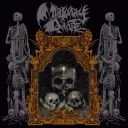
..::OPIS::.. 12 czerwca br. Relapse Records wydała debiutancką Epkę zespołu Living Gate, która nosi tytuł Deathlust. Materiał na niej zawarty to stuprocentowy death metal starej amerykańskiej szkoły i nic jakby w tym zaskakującego, że Relapse stawia tu swoje logo. Sama muzyka to też raczej rzecz mało zaskakująca, zastanawiająca natomiast jest informacja, iż Living Gate to zespół złożony z członków zespołów Amenra, Yob, Oathbreaker i Norska. Co jak co, ale po muzykach, których macierzyste kapele lawirują w raczej ezoterycznych dźwiękach, takiego obrotu sprawy się bym nie spodziewał. Nie zmienia to jednak faktu, że Living Gate stał się rzeczywistością, a Deathlust orze mózg bardzo intensywnie. Jak się można spodziewać, Epka pomimo że utrzymana jest w stricte death metalowym rejonie, to posiada mały pierwiastek spaczenia i iście złowieszczy klimat. Członkowie kapeli w macierzystych zespołach grają może przystępniej, lecz nadal ciężko, mrocznie i to jest także punkt zbiorczy z LG. Krążek jest bardzo „ocieniony”, pełźnie gdzieś w mroku, za rogiem kryjąc swój obrzydliwy łeb poza zasięgiem zmysłów niczym potwory mitologii Lovecrafta, starając się doprowadzić umysł do szaleństwa. Pięć kompozycji łączących się w Deathlust, swój mrok zasysa z klasyki florydzkiego metalu, mieszając w sobie chaotyczny styl Immolation, ciężar Incantation z odrobiną nowej\starej szkoły (kapele typu Outher Heaven, Creeping Death czy Tomb Mold, które kroczą podobnymi ścieżkami). Jest ciężko, brutalnie, w umiarkowanych tempach, a większość riffów unika wysokich dźwięków bardzo skutecznie. Jest to dla mego ucha atrakcyjny sposób tworzenia metalu, ale przyznaję także, że takie podejście tworzy ryzyko, iż pełny krążek może okazać się za mało urozmaicony. Możliwe, że są to niepotrzebne obawy i LG bez problemów nagra morderczy debiut, ale na dzień dzisiejszy osiemnaście minut trwania Ep wydaje się czasem idealnym, by utrzymać słuchacza w czujności i nie powodować przesytu. Jednocześnie bardzo bym nie chciał, żeby muzycy zrezygnowali z intensywności na rzecz większej ilości upiększaczy. Co przyniesie debiut mam nadzieję wyjaśni się w niedalekiej przyszłości, a na dziś zostawiam solidne cztery z plusem, czyli w skali KVLT wypada na 6.5. Brzeźnicki Oh man! Have the last few years been good to me. The death metal resurgence is in full swing and the giant goat headed monstrosity of modern music is spewing out new music from every orifice onto a willing and welcoming audience. Within the revival old school death metal has exploded with groups like Gatecreeper, Tomb Mold, Spectral Voice and Frozen Soul getting lots of coverage across the metal universe. So chin up folks, staple your eyes open, spread your arms wide…and accept a new offering from the monstrosity in the form of the debut EP from Living Gate titled Deathlust, ready to crush all around it and cloak the world in its formidable darkness on the 12th June. Featuring members from esteemed groups such as Yob, Oathbreaker, Amenra and Wiegedood there is some serious pedigree associated to this record. I’m a fan of all the member’s respective groups. Couple that with this being released via the mighty Relapse Records, well you’ve got a tubby bloke from the Cotswolds very excited and eager to get his grubby mitts it. First things first, the artwork….Shoggoth Kinetics take a bow, you killed it. It’s got that perfect death metal record look, a pile of mutated corpses and alienesque masses, all in black and white with a big red logo. Perfect! The record kicks of quicker and harder than a Zinedine Zidane head-butt to the chest with The Delusion Of Consciousness, starting with this slamming riff that’s just eviscerating. The drums are raw, the bass tone is filthy, and I can hear it in the mix which is a bonus. The slamming riff is accompanied by bellowing growls, before Living Gate up the ante with the introduction of some blasts alongside some knuckle dragging riffs, and those vocals change to this wretched howl that is just heinous. The opening track screams influence from Suffocation, Demilich and Death but this is no tribute band. It’s got its own spin on the classic sound taking it in a more brutal direction, which just kills. It’s straight up destruction. It appears to finish abruptly before surprising me with this thirty second chunk of harmonious guitar licks reminiscent of Chuck Schuldiner himself. The next track Roped is notably slower in tempo but still just as heavy. It builds into this mid paced blast fest featuring loads of guttural vocals, china work and a few pick scrapes thrown in for good measure. Living Gate then tear you apart with these scathing dual vocals, a mixture of the gutturals bouncing off anguished screams. It’s punishing but sounds great. The record continues with riff after riff of crushing death metal madness with title track Deathlust and the swarming destruction of Heaven Ablaze which keeps up the pummelling pace. Aside from the slight change of pace in Roped, this record does not let up in its brutality. Final track, named after the band, Living Gate is the pick of the bunch, with melodic guitar lines sat in between the usual solid crushing riffage and destructive drums. It’s a nice change of sound compared to the first four tracks. It’s the one that drew me in the most as it chops and changes while still keeping the sound built earlier within the record. It’s where Living Gate shows the sounds the individual members bought to the fold, which was one of the things I was most excited about with this EP. The track winds down with a slowed down solo that really stands out, before all the musicians are completely drowned out by a dissonant and overbearing noise. It then breaks away, leaving us with some light guitar work that is creepy and a fine way to finish the EP. To sum up Deathlust is a great EP. I love how aggressive the sound is and how there is no fucking about. Its five tracks of madness that had me hooked from start to finish. Highlights were the dual vocals that just complement each other really well and the drum work is ace. The only criticism I have is the production is a little light, with all of that destruction and heaviness I was hoping for a thicker sound. It doesn’t detract from the performance or the quality of the EP overall. I think this is going to get a lot of people talking and I look forward to a full length from this project. Matt Alexander If you have paid any attention to the past few years of extreme metal one thing will have become immediately self-evident. Death metal is back. A genre that had stagnated for years, except for at its most curious fringes (and not in the good way, as per death metal visual parlance), had simply run its course. It’s not an overstatement that a great many critics and even once rabid fans of the genre had all but written it off. The blood had coagulated; reanimation of the flesh had failed, and it had turned to dust. Then, seemingly out of nowhere, the scene has exploded again. There is suddenly an incredible depth to the death metal genre. There’s a greater quantity – and quality – of those fringe acts doing weird and wonderful things with the blueprint, be that imbuing the sound with new elements to create Frankenstein’s monster-esque new entities or other bands co-opting the veins of death metal into their sound, making them kin to the genre, if not wholly fitting the term and the aesthetic. One thing death metal had never been wanting for was a plethora of acts mimicking the greats that had gone before. It was exactly this, for the most part, that had led to the feeling the genre had simply run out of ideas, or, more the point, had maybe not had that many ideas in the first place. After all, classic death metal isn’t exactly known for its subtlety. As subtle as a brick to the face. But in this new renaissance of death metal, a large contributing factor to its success and it being celebrated is bands doing exactly this – using the building blocks of the genre once again. The major difference this time is that they aren’t mimicking the sound or paying some kind of ‘pub-rock’ version of a tribute act any longer. These are bands who are performing an autopsy on the genre – taking a look into the viscera that makes it tick, makes it work in all its unholy ways – and then using that knowledge to reinvent classic death metal. This isn’t an ode to the (undead) fallen, but, rather, is the occult prayer to create new legion. New death metal bands who measure up to the founding fathers – call it reincarnation, call it necromancy if you will – but all I know is that it’s most welcome. Time to take that bath in blood. Hail Satan. Into this brave evil new world, come Living Gate. The band certainly have strong credentials, with a member from Yob and a trio surrounding him from Belgium’s Church of Ra – taking in contributors from Amenra, Oathbreaker and Wiegedood. Perhaps the latter is the lynchpin to proving these excellent musicians had the chops to take on the classic death metal sound. Wiegedood have, over the course of three ever greater records, proven post-metal savants could master the vagaries of black metal. The same is true on this, Living Gate’s debut EP, Deathlust. Five tracks of unbridled hell released with the backing of Relapse Records, proving their reverence for and living sacrifice to the genre. Living Gate produce death metal so tight its decaying flesh is bound together by barbed wire. The average song is roughly three and a half minutes, but do not fear, there are no pop ditties here. Unless this is the sound of the charts in Hell…? I’d be down for that. Fans of Suffocation and Demilich should take note – this one goes out to you. Ferocious doesn’t quite capture it, with ‘The Delusion of Consciousness’ kicking things off in rabid style, and the horror never lets up from there. ‘Roped’ may take the pace down, but the guitars become all the more malevolent, with each change of riff feeling like a knife in the eye. ‘Deathlust’, from which the EP takes its name, is the most frenzied of the quintet, ripping and tearing at the constrains of the sonic realm it finds itself in, and nodding toward Morbid Angel, too. ‘Heaven Ablaze’ belches forth its rare cocktail of poison while the musicians take their proverbial bow as the sheer technical proficiency and execution of their craft becomes ever more apparent. Finishing up their amoral sermon is the eponymous ‘Living Gate’, a track that pummels and screams at the void like those that have gone before, but also showcases an ongoing intelligence in the songwriting and direction of the band, even if the brain that holds it is itself liquifying, weeping out of every orifice. Deathlust is brutal, yes, but it is the intensity with which the five tracks are delivered that marks the release out for special note, and its superlative production is certainly responsible for that as well as the craft of the songs within. With a burgeoning, braying pack of death metal bands leading the undead charge for your attention and wallet, only those with complete mastery of their sickening art can climb the mountain of corpses to the top. Living Gate certainly had the constituent parts to pull this off, but it was by no means guaranteed. But this EP will immediately put pay to any doubters. Let us hope that they are encouraged to conjure more foul sounds from the pit, and not become a well-regarded, short-lived project. Meet you at the gate when the clock strikes thirteen – the living gate... Chris Keith-Wright ..::TRACK-LIST::.. 1. The Delusion Of Consciousness 03:31 2. Roped 03:35 3. Deathlust 02:28 4. Heaven Ablaze 03:35 5. Living Gate 04:37 ..::OBSADA::.. Aaron Rieseberg - Bass Wim Sreppoc - Drums Lennart Bossu - Guitars Levy Seynaeve - Guitars, Vocals SEED 15:00-22:00. POLECAM!!!
Seedów: 0
Komentarze: 0
Data dodania:
2025-12-24 11:17:44
Rozmiar: 45.50 MB
Peerów: 0
Dodał: Fallen_Angel
Opis
...SIŁA I PIĘKNO MUZYKI TKWIĄ W JEJ RÓŻNORODNOŚCI..
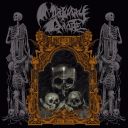
..::OPIS::.. 12 czerwca br. Relapse Records wydała debiutancką Epkę zespołu Living Gate, która nosi tytuł Deathlust. Materiał na niej zawarty to stuprocentowy death metal starej amerykańskiej szkoły i nic jakby w tym zaskakującego, że Relapse stawia tu swoje logo. Sama muzyka to też raczej rzecz mało zaskakująca, zastanawiająca natomiast jest informacja, iż Living Gate to zespół złożony z członków zespołów Amenra, Yob, Oathbreaker i Norska. Co jak co, ale po muzykach, których macierzyste kapele lawirują w raczej ezoterycznych dźwiękach, takiego obrotu sprawy się bym nie spodziewał. Nie zmienia to jednak faktu, że Living Gate stał się rzeczywistością, a Deathlust orze mózg bardzo intensywnie. Jak się można spodziewać, Epka pomimo że utrzymana jest w stricte death metalowym rejonie, to posiada mały pierwiastek spaczenia i iście złowieszczy klimat. Członkowie kapeli w macierzystych zespołach grają może przystępniej, lecz nadal ciężko, mrocznie i to jest także punkt zbiorczy z LG. Krążek jest bardzo „ocieniony”, pełźnie gdzieś w mroku, za rogiem kryjąc swój obrzydliwy łeb poza zasięgiem zmysłów niczym potwory mitologii Lovecrafta, starając się doprowadzić umysł do szaleństwa. Pięć kompozycji łączących się w Deathlust, swój mrok zasysa z klasyki florydzkiego metalu, mieszając w sobie chaotyczny styl Immolation, ciężar Incantation z odrobiną nowej\starej szkoły (kapele typu Outher Heaven, Creeping Death czy Tomb Mold, które kroczą podobnymi ścieżkami). Jest ciężko, brutalnie, w umiarkowanych tempach, a większość riffów unika wysokich dźwięków bardzo skutecznie. Jest to dla mego ucha atrakcyjny sposób tworzenia metalu, ale przyznaję także, że takie podejście tworzy ryzyko, iż pełny krążek może okazać się za mało urozmaicony. Możliwe, że są to niepotrzebne obawy i LG bez problemów nagra morderczy debiut, ale na dzień dzisiejszy osiemnaście minut trwania Ep wydaje się czasem idealnym, by utrzymać słuchacza w czujności i nie powodować przesytu. Jednocześnie bardzo bym nie chciał, żeby muzycy zrezygnowali z intensywności na rzecz większej ilości upiększaczy. Co przyniesie debiut mam nadzieję wyjaśni się w niedalekiej przyszłości, a na dziś zostawiam solidne cztery z plusem, czyli w skali KVLT wypada na 6.5. Brzeźnicki Oh man! Have the last few years been good to me. The death metal resurgence is in full swing and the giant goat headed monstrosity of modern music is spewing out new music from every orifice onto a willing and welcoming audience. Within the revival old school death metal has exploded with groups like Gatecreeper, Tomb Mold, Spectral Voice and Frozen Soul getting lots of coverage across the metal universe. So chin up folks, staple your eyes open, spread your arms wide…and accept a new offering from the monstrosity in the form of the debut EP from Living Gate titled Deathlust, ready to crush all around it and cloak the world in its formidable darkness on the 12th June. Featuring members from esteemed groups such as Yob, Oathbreaker, Amenra and Wiegedood there is some serious pedigree associated to this record. I’m a fan of all the member’s respective groups. Couple that with this being released via the mighty Relapse Records, well you’ve got a tubby bloke from the Cotswolds very excited and eager to get his grubby mitts it. First things first, the artwork….Shoggoth Kinetics take a bow, you killed it. It’s got that perfect death metal record look, a pile of mutated corpses and alienesque masses, all in black and white with a big red logo. Perfect! The record kicks of quicker and harder than a Zinedine Zidane head-butt to the chest with The Delusion Of Consciousness, starting with this slamming riff that’s just eviscerating. The drums are raw, the bass tone is filthy, and I can hear it in the mix which is a bonus. The slamming riff is accompanied by bellowing growls, before Living Gate up the ante with the introduction of some blasts alongside some knuckle dragging riffs, and those vocals change to this wretched howl that is just heinous. The opening track screams influence from Suffocation, Demilich and Death but this is no tribute band. It’s got its own spin on the classic sound taking it in a more brutal direction, which just kills. It’s straight up destruction. It appears to finish abruptly before surprising me with this thirty second chunk of harmonious guitar licks reminiscent of Chuck Schuldiner himself. The next track Roped is notably slower in tempo but still just as heavy. It builds into this mid paced blast fest featuring loads of guttural vocals, china work and a few pick scrapes thrown in for good measure. Living Gate then tear you apart with these scathing dual vocals, a mixture of the gutturals bouncing off anguished screams. It’s punishing but sounds great. The record continues with riff after riff of crushing death metal madness with title track Deathlust and the swarming destruction of Heaven Ablaze which keeps up the pummelling pace. Aside from the slight change of pace in Roped, this record does not let up in its brutality. Final track, named after the band, Living Gate is the pick of the bunch, with melodic guitar lines sat in between the usual solid crushing riffage and destructive drums. It’s a nice change of sound compared to the first four tracks. It’s the one that drew me in the most as it chops and changes while still keeping the sound built earlier within the record. It’s where Living Gate shows the sounds the individual members bought to the fold, which was one of the things I was most excited about with this EP. The track winds down with a slowed down solo that really stands out, before all the musicians are completely drowned out by a dissonant and overbearing noise. It then breaks away, leaving us with some light guitar work that is creepy and a fine way to finish the EP. To sum up Deathlust is a great EP. I love how aggressive the sound is and how there is no fucking about. Its five tracks of madness that had me hooked from start to finish. Highlights were the dual vocals that just complement each other really well and the drum work is ace. The only criticism I have is the production is a little light, with all of that destruction and heaviness I was hoping for a thicker sound. It doesn’t detract from the performance or the quality of the EP overall. I think this is going to get a lot of people talking and I look forward to a full length from this project. Matt Alexander If you have paid any attention to the past few years of extreme metal one thing will have become immediately self-evident. Death metal is back. A genre that had stagnated for years, except for at its most curious fringes (and not in the good way, as per death metal visual parlance), had simply run its course. It’s not an overstatement that a great many critics and even once rabid fans of the genre had all but written it off. The blood had coagulated; reanimation of the flesh had failed, and it had turned to dust. Then, seemingly out of nowhere, the scene has exploded again. There is suddenly an incredible depth to the death metal genre. There’s a greater quantity – and quality – of those fringe acts doing weird and wonderful things with the blueprint, be that imbuing the sound with new elements to create Frankenstein’s monster-esque new entities or other bands co-opting the veins of death metal into their sound, making them kin to the genre, if not wholly fitting the term and the aesthetic. One thing death metal had never been wanting for was a plethora of acts mimicking the greats that had gone before. It was exactly this, for the most part, that had led to the feeling the genre had simply run out of ideas, or, more the point, had maybe not had that many ideas in the first place. After all, classic death metal isn’t exactly known for its subtlety. As subtle as a brick to the face. But in this new renaissance of death metal, a large contributing factor to its success and it being celebrated is bands doing exactly this – using the building blocks of the genre once again. The major difference this time is that they aren’t mimicking the sound or paying some kind of ‘pub-rock’ version of a tribute act any longer. These are bands who are performing an autopsy on the genre – taking a look into the viscera that makes it tick, makes it work in all its unholy ways – and then using that knowledge to reinvent classic death metal. This isn’t an ode to the (undead) fallen, but, rather, is the occult prayer to create new legion. New death metal bands who measure up to the founding fathers – call it reincarnation, call it necromancy if you will – but all I know is that it’s most welcome. Time to take that bath in blood. Hail Satan. Into this brave evil new world, come Living Gate. The band certainly have strong credentials, with a member from Yob and a trio surrounding him from Belgium’s Church of Ra – taking in contributors from Amenra, Oathbreaker and Wiegedood. Perhaps the latter is the lynchpin to proving these excellent musicians had the chops to take on the classic death metal sound. Wiegedood have, over the course of three ever greater records, proven post-metal savants could master the vagaries of black metal. The same is true on this, Living Gate’s debut EP, Deathlust. Five tracks of unbridled hell released with the backing of Relapse Records, proving their reverence for and living sacrifice to the genre. Living Gate produce death metal so tight its decaying flesh is bound together by barbed wire. The average song is roughly three and a half minutes, but do not fear, there are no pop ditties here. Unless this is the sound of the charts in Hell…? I’d be down for that. Fans of Suffocation and Demilich should take note – this one goes out to you. Ferocious doesn’t quite capture it, with ‘The Delusion of Consciousness’ kicking things off in rabid style, and the horror never lets up from there. ‘Roped’ may take the pace down, but the guitars become all the more malevolent, with each change of riff feeling like a knife in the eye. ‘Deathlust’, from which the EP takes its name, is the most frenzied of the quintet, ripping and tearing at the constrains of the sonic realm it finds itself in, and nodding toward Morbid Angel, too. ‘Heaven Ablaze’ belches forth its rare cocktail of poison while the musicians take their proverbial bow as the sheer technical proficiency and execution of their craft becomes ever more apparent. Finishing up their amoral sermon is the eponymous ‘Living Gate’, a track that pummels and screams at the void like those that have gone before, but also showcases an ongoing intelligence in the songwriting and direction of the band, even if the brain that holds it is itself liquifying, weeping out of every orifice. Deathlust is brutal, yes, but it is the intensity with which the five tracks are delivered that marks the release out for special note, and its superlative production is certainly responsible for that as well as the craft of the songs within. With a burgeoning, braying pack of death metal bands leading the undead charge for your attention and wallet, only those with complete mastery of their sickening art can climb the mountain of corpses to the top. Living Gate certainly had the constituent parts to pull this off, but it was by no means guaranteed. But this EP will immediately put pay to any doubters. Let us hope that they are encouraged to conjure more foul sounds from the pit, and not become a well-regarded, short-lived project. Meet you at the gate when the clock strikes thirteen – the living gate... Chris Keith-Wright ..::TRACK-LIST::.. 1. The Delusion Of Consciousness 03:31 2. Roped 03:35 3. Deathlust 02:28 4. Heaven Ablaze 03:35 5. Living Gate 04:37 ..::OBSADA::.. Aaron Rieseberg - Bass Wim Sreppoc - Drums Lennart Bossu - Guitars Levy Seynaeve - Guitars, Vocals https://www.youtube.com/watch?v=O_KjXOCDiPQ SEED 15:00-22:00. POLECAM!!!
Seedów: 0
Komentarze: 0
Data dodania:
2025-12-24 11:12:21
Rozmiar: 143.54 MB
Peerów: 0
Dodał: Fallen_Angel
Opis
..::INFO::..
--------------------------------------------------------------------- Slade - The Very Best Of Slade - (2 CD) --------------------------------------------------------------------- Artist...............: Slade Album................: The Very Best Of Slade Genre................: Rock Source...............: CD Year.................: 2005 Ripper...............: EAC (Secure mode) & Lite-On iHAS124 Codec................: Free Lossless Audio Codec (FLAC) Version..............: reference libFLAC 1.5.0 20250211 Quality..............: Lossless, (avg. compression: 70-73 %) Channels.............: Stereo / 44100 HZ / 16 Bit Tags.................: VorbisComment Information..........: Polydor Included.............: NFO, M3U, CUE Covers...............: Front Back CD --------------------------------------------------------------------- Tracklisting - CD 1 --------------------------------------------------------------------- 1. Slade - Get Down And Get With It [03:49] 2. Slade - Coz I Luv You [03:25] 3. Slade - Look Wot You Dun [02:58] 4. Slade - Take Me Bak 'Ome [03:15] 5. Slade - Mama Weer All Crazee Now [03:45] 6. Slade - Gudbuy T'Jane [03:32] 7. Slade - Cum On Feel The Noize [04:24] 8. Slade - Skweeze Me Pleeze Me [04:29] 9. Slade - My Friend Stan [02:41] 10. Slade - Everyday [03:10] 11. Slade - The Bangin' Man [04:11] 12. Slade - Far Far Away [03:37] 13. Slade - How Does It Feel [05:54] 14. Slade - Thanks For The Memory (Wham Bam Thank You Mam) [04:33] 15. Slade - In For A Penny [03:35] 16. Slade - Let's Call It Quits [03:31] 17. Slade - We'll Bring The House Down [03:32] 18. Slade - My Oh My [04:11] 19. Slade - Run Runaway [05:00] 20. Slade - Merry Xmas Everybody [03:26] Playing Time.........: 01:17:09 Total Size...........: 542,93 MB --------------------------------------------------------------------- Tracklisting - CD 2 --------------------------------------------------------------------- 1. Slade - All Join Hands [05:31] 2. Slade - Gypsy Roadhog [03:24] 3. Slade - My Baby Left Me \ That's Alright [02:24] 4. Slade - Lock Up Your Daughters [03:28] 5. Slade - Wheels Ain't Coming Down [03:37] 6. Slade - Born To Be Wild [03:24] 7. Slade - Ruby Red [02:54] 8. Slade - (And Now The Waltz) C'est La Vie [03:51] 9. Slade - 7 Year Bitch [04:16] 10. Slade - Myzsterious Mizster Jones [03:35] 11. Slade - Do You Believe In Miracles [04:10] 12. Slade - Still The Same [04:13] 13. Slade - Radio Wall Of Sound [03:47] 14. Slade - Universe [04:15] Playing Time.........: 52:55 Total Size...........: 391,18 MB
Seedów: 228
Komentarze: 0
Data dodania:
2025-12-24 11:04:11
Rozmiar: 966.19 MB
Peerów: 44
Dodał: rajkad
Opis
..::INFO::..
--------------------------------------------------------------------- Scorpions - From The First Sting - (2 CD) --------------------------------------------------------------------- Artist...............: Scorpions Album................: From The First Sting Genre................: Rock Source...............: WEB Year.................: 2025 Codec................: Free Lossless Audio Codec (FLAC) Version..............: reference libFLAC 1.5.0 20250211 Quality..............: Lossless, (avg. compression: 72-73 %) Channels.............: Stereo / 44100 HZ / 16 Bit Tags.................: VorbisComment Information..........: BMG Rights Management GmbH Included.............: NFO, M3U, CUE Covers...............: Front --------------------------------------------------------------------- Tracklisting - Vol.1 --------------------------------------------------------------------- 1. Scorpions - This Is My Song (Live at Rock & Pop, 09.11.1973)[04:08] 2. Scorpions - Speedy's Coming (Remastered 2023) [03:34] 3. Scorpions - In Trance (Remastered 2023) [04:45] 4. Scorpions - Pictured Life (Remastered 2023) [03:23] 5. Scorpions - The Sails of Charon (2015 - Remaster) [05:08] 6. Scorpions - Top of the Bill (Live) [06:46] 7. Scorpions - Holiday (2015 Remaster) [06:31] 8. Scorpions - Always Somewhere (2015 Remaster) [04:56] 9. Scorpions - Lady Starlight (2015 Remaster) [06:15] 10. Scorpions - The Zoo (2015 Remaster) [05:28] 11. Scorpions - No One Like You (2015 Remaster) [03:58] 12. Scorpions - When the Smoke Is Going Down (2015 Remaster)[03:51] Playing Time.........: 58:48 Total Size...........: 422,74 MB --------------------------------------------------------------------- Tracklisting - Vol.2 --------------------------------------------------------------------- 1. Scorpions - Still Loving You (2015 - Remaster) [06:27] 2. Scorpions - Rock You Like a Hurricane (2015 - Remaster) [04:12] 3. Scorpions - Big City Nights (2015 - Remaster) [04:08] 4. Scorpions - Rock You Like a Hurricane (Live) [2015 Remaster][04:15] 5. Scorpions - Believe in Love (2015 Remaster) [05:22] 6. Scorpions & Vanessa-Mae - Still Loving You (Live at Taratata, April 28th 1996)[06:19] 7. Scorpions - Mind Like A Tree [05:34] 8. Scorpions - You & I [06:15] 9. Scorpions & Berliner Philharmoniker - Wind of Change [07:35] 10. Scorpions - Maybe I Maybe You [03:30] 11. Scorpions - Humanity [05:25] Playing Time.........: 59:09 Total Size...........: 432,98 MB
Seedów: 209
Komentarze: 0
Data dodania:
2025-12-23 14:01:42
Rozmiar: 856.25 MB
Peerów: 137
Dodał: rajkad
Opis
..::INFO::..
--------------------------------------------------------------------- Mud - Mud Rock & Mud Rock Vol II --------------------------------------------------------------------- Artist...............: Mud Album................: Mud Rock & Mud Rock Vol II Genre................: Rock, Glam Source...............: CD Year.................: 1998 Ripper...............: EAC (Secure mode) & Lite-On iHAS124 Codec................: Free Lossless Audio Codec (FLAC) Version..............: reference libFLAC 1.5.0 20250211 Quality..............: Lossless, (avg. compression: 59 %) Channels.............: Stereo / 44100 HZ / 16 Bit Tags.................: VorbisComment Information..........: BGO Records Included.............: NFO, M3U, CUE Covers...............: Front Back CD --------------------------------------------------------------------- Tracklisting --------------------------------------------------------------------- 1. Mud - Rocket [04:35] 2. Mud - Do You Love Me / Sha La La La Lee [03:17] 3. Mud - Running Bear [04:25] 4. Mud - The Hippy Hippy Shake [02:32] 5. Mud - Shake, Rattle And Roll / See You Later Alligator [03:59] 6. Mud - Medley: Dyna-mite / The Cat Crept In / Tiger Feet [05:10] 7. Mud - The End Of The World [04:05] 8. Mud - Blue Moon [02:24] 9. Mud - In The Mood [03:42] 10. Mud - Bye Bye Johnny [05:28] 11. Mud - The Secrets That You Keep [04:34] 12. Mud - Living Doll [03:02] 13. Mud - One Night [02:59] 14. Mud - Tallahassee Lassie [03:18] 15. Mud - Let's Have A Party [01:56] 16. Mud - Tobacco Road [03:28] 17. Mud - Oh Boy [02:55] 18. Mud - I Love How You Love Me [03:09] 19. Mud - Hula Love [04:02] 20. Mud - Diana [04:34] Playing Time.........: 01:13:44 Total Size...........: 442,45 MB
Seedów: 213
Komentarze: 0
Data dodania:
2025-12-23 11:07:55
Rozmiar: 456.65 MB
Peerów: 20
Dodał: rajkad
Opis
...SIŁA I PIĘKNO MUZYKI TKWIĄ W JEJ RÓŻNORODNOŚCI..
..::OPIS::.. Czwarty album, który zdefiniował karierę deathmetalowców z New Jersey! Łączy w sobie wszystkie najlepsze elementy death metalu - groove, szybkość, brutalność, kunszt techniczny i nowatorskie podejście do kompozycji. To krążek, który jedną nogą mocno osadzony jest w przyszłości, a drugą w old-schoolowych klimatach. FA Techdeath has long been my favorite of the death metal subgenres. There’s something about the in-your-face aggression combined with the finesse of rhythmic trickery and masterful technique that just hits my ears the right way. The problem, though, is that the space is distinctly oversaturated in the grand scheme of metal. You can’t throw a guitar pick without hitting a new technical outfit square in the chops. There are whole labels (*glances sideways at The Artisan Era*) that seem to be dedicated to cranking out tech act after tech act. It’s a hard scene to stand out in, is my point. Enter Cognitive, a New Jersey-based five-piece that’s doing everything it can to make a splash in a sea of similar and—quite frankly—mediocre bands. Malevolent Thoughts of a Hastened Extinction is their fourth full-length effort and third with Unique Leader Records, who are another one of those labels that produces a ton of techdeath acts. So does the album deliver? I’m happy to report that it very much does, and some of its tracks are impressive for different reasons than you might think. The musical hallmarks of techdeath are all here, and they’re performed extremely well. Harry Lannon and Rob Wharton are the guitarists, with Lannon handling leads, and their playing features plenty of fretboard acrobatics, rhythmic shifts, and on-a-dime directional changes. The cool thing, though, is that nothing feels extraneous, and it doesn’t sound like the parts are tricky just for difficulty’s sake. I’m particularly impressed by Lannon’s solos and his sense for writing passages that have a soul—it’s not just empty technique on display. Bass duty is covered by Tyler Capone-Vitale, and he’s superb, handling a lot of speedy, complicated stuff. The occasions where he doubles the guitars to up the heavy factor of brutal passages are fabulous. Shane Jost’s vocals are seething and intense, and he uses an impressive range of effects; again I feel like his performance shows real heart, not the hollow violence that you often hear. Finally, AJ Viana, also of the mighty Hath, puts on a clinic behind the drumset. He’s extremely precise, his sound is weighty but doesn’t weight the band down, and he has an exceptional feel for when to keep things relatively straightforward and when to get a little crazy. So what is it that Cognitive does that sets them apart? For one, they blend a whole slew of stylistic influences into their songs. Make no mistake, Malevolent Thoughts is a techdeath record through and through, but there are little flashes and touches of all sorts of things that keep the tracks interesting and fresh. For example, there’s a nasty slam a little over two minutes into “The Maw” that absolutely crushes, and it’s not the only one on this record. “From the Depths” is an excellent showcase of some of the band’s blackened touches, with Jost’s high screams on fully display several times. “Arterial Red” features some riffwork that’s reminiscent of—and I swear this is a compliment—djent. “Oroborous” alternates between intense tech riffing complete with dissonant twisting guitar lines and heavy as hell deathcore-esque passages. Looking for something brutal with a straight up beat in 4 that you can mosh to? The second half of “To Feed the Worms” has got you covered, after the groovy, whiplash-inducing opening section gets you prepped. Lannon and Wharton aren’t afraid to step away from the technical badassery and scratch your itch for chug, and when they do it’s highly effective. Cognitive also periodically backs the aggression down a notch or two (not too far, don’t worry) and writes a song or two that gets a bit more emotional than you might expect. “Malevolent Thoughts” is one of these, speaking and generally looking in an inward direction, with Jost’s scream of “I don’t want to feel like this anymore” providing a highlight that segues into an excellent expressive guitar solo. But it’s the slow-paced “Destitute” that drops the aggression a couple more notches, its transparently personal examination of genuinely trying and having nothing to show for it landing in an unexpectedly emotional way. It reminds me a little of last year’s concept-based Mordrake by Xenobiotic, or maybe a better comparison is the song “Forsaken” by Necropia—an introspective interval that makes a huge impression in an album of mostly hostile, vicious tracks. There’s another emotive solo, and it’s not like it’s a ballad or anything, but there are even some smartly executed clean vocals! Recording and mixing, which began with a few already written tracks pre-pandemic and went through a lengthy pause before being finished this year, was handled by the band’s drummer, AJ Viana. If you’ve heard Of Rot and Ruin, the amazing 2019 effort from his other band Hath, then you’re already familiar with his work on the recording/mixing front, and you’ll know it’s outstanding. (As a sidebar, Viana has a done several streams on Hath’s Twitch channel where he walked through his mixing processes, and it’s great stuff that you should watch.) Malevolent Thoughts is another example of his impressive abilities behind the board and at the computer, because it sounds fantastic—the balance is great and all elements sound authentic with a sense of presence. Mastering was by Alan Douches of West West Side Music, whose consistently great work you’ve heard on about a billion other albums (including, again, Of Rot and Ruin). Don’t miss this effort from Cognitive when it drops on July 16 via Unique Leader Records. Malevolent Thoughts of a Hastened Extinction is a massive, exceptional tower of sonic power that shows what technical death metal can be in the hands of not just great musicians, but great songwriters. Kep ..::TRACK-LIST::.. 1. Eniac 04:47 2. The Maw 03:18 3. Arterial Red 03:41 4. From the Depths 03:39 5. Oroborous 02:55 6. To Feed the Worms 04:03 7. Malevolent Thoughts 03:57 8. Tearing Tendon from Bone 03:46 9. Destitute 05:46 10. Of a Hastened Extinction 03:27 ..::OBSADA::.. Vocals - Shane Jost Bass - Tyler Capone-Vitale Drums - AJ Viana Guitar - Harry Lannon, Rob Wharton https://www.youtube.com/watch?v=tq46M7-tTTE SEED 15:00-22:00. POLECAM!!!
Seedów: 0
Komentarze: 0
Data dodania:
2025-12-22 17:57:47
Rozmiar: 94.00 MB
Peerów: 0
Dodał: Fallen_Angel
Opis
...SIŁA I PIĘKNO MUZYKI TKWIĄ W JEJ RÓŻNORODNOŚCI..
..::OPIS::.. Czwarty album, który zdefiniował karierę deathmetalowców z New Jersey! Łączy w sobie wszystkie najlepsze elementy death metalu - groove, szybkość, brutalność, kunszt techniczny i nowatorskie podejście do kompozycji. To krążek, który jedną nogą mocno osadzony jest w przyszłości, a drugą w old-schoolowych klimatach. FA Techdeath has long been my favorite of the death metal subgenres. There’s something about the in-your-face aggression combined with the finesse of rhythmic trickery and masterful technique that just hits my ears the right way. The problem, though, is that the space is distinctly oversaturated in the grand scheme of metal. You can’t throw a guitar pick without hitting a new technical outfit square in the chops. There are whole labels (*glances sideways at The Artisan Era*) that seem to be dedicated to cranking out tech act after tech act. It’s a hard scene to stand out in, is my point. Enter Cognitive, a New Jersey-based five-piece that’s doing everything it can to make a splash in a sea of similar and—quite frankly—mediocre bands. Malevolent Thoughts of a Hastened Extinction is their fourth full-length effort and third with Unique Leader Records, who are another one of those labels that produces a ton of techdeath acts. So does the album deliver? I’m happy to report that it very much does, and some of its tracks are impressive for different reasons than you might think. The musical hallmarks of techdeath are all here, and they’re performed extremely well. Harry Lannon and Rob Wharton are the guitarists, with Lannon handling leads, and their playing features plenty of fretboard acrobatics, rhythmic shifts, and on-a-dime directional changes. The cool thing, though, is that nothing feels extraneous, and it doesn’t sound like the parts are tricky just for difficulty’s sake. I’m particularly impressed by Lannon’s solos and his sense for writing passages that have a soul—it’s not just empty technique on display. Bass duty is covered by Tyler Capone-Vitale, and he’s superb, handling a lot of speedy, complicated stuff. The occasions where he doubles the guitars to up the heavy factor of brutal passages are fabulous. Shane Jost’s vocals are seething and intense, and he uses an impressive range of effects; again I feel like his performance shows real heart, not the hollow violence that you often hear. Finally, AJ Viana, also of the mighty Hath, puts on a clinic behind the drumset. He’s extremely precise, his sound is weighty but doesn’t weight the band down, and he has an exceptional feel for when to keep things relatively straightforward and when to get a little crazy. So what is it that Cognitive does that sets them apart? For one, they blend a whole slew of stylistic influences into their songs. Make no mistake, Malevolent Thoughts is a techdeath record through and through, but there are little flashes and touches of all sorts of things that keep the tracks interesting and fresh. For example, there’s a nasty slam a little over two minutes into “The Maw” that absolutely crushes, and it’s not the only one on this record. “From the Depths” is an excellent showcase of some of the band’s blackened touches, with Jost’s high screams on fully display several times. “Arterial Red” features some riffwork that’s reminiscent of—and I swear this is a compliment—djent. “Oroborous” alternates between intense tech riffing complete with dissonant twisting guitar lines and heavy as hell deathcore-esque passages. Looking for something brutal with a straight up beat in 4 that you can mosh to? The second half of “To Feed the Worms” has got you covered, after the groovy, whiplash-inducing opening section gets you prepped. Lannon and Wharton aren’t afraid to step away from the technical badassery and scratch your itch for chug, and when they do it’s highly effective. Cognitive also periodically backs the aggression down a notch or two (not too far, don’t worry) and writes a song or two that gets a bit more emotional than you might expect. “Malevolent Thoughts” is one of these, speaking and generally looking in an inward direction, with Jost’s scream of “I don’t want to feel like this anymore” providing a highlight that segues into an excellent expressive guitar solo. But it’s the slow-paced “Destitute” that drops the aggression a couple more notches, its transparently personal examination of genuinely trying and having nothing to show for it landing in an unexpectedly emotional way. It reminds me a little of last year’s concept-based Mordrake by Xenobiotic, or maybe a better comparison is the song “Forsaken” by Necropia—an introspective interval that makes a huge impression in an album of mostly hostile, vicious tracks. There’s another emotive solo, and it’s not like it’s a ballad or anything, but there are even some smartly executed clean vocals! Recording and mixing, which began with a few already written tracks pre-pandemic and went through a lengthy pause before being finished this year, was handled by the band’s drummer, AJ Viana. If you’ve heard Of Rot and Ruin, the amazing 2019 effort from his other band Hath, then you’re already familiar with his work on the recording/mixing front, and you’ll know it’s outstanding. (As a sidebar, Viana has a done several streams on Hath’s Twitch channel where he walked through his mixing processes, and it’s great stuff that you should watch.) Malevolent Thoughts is another example of his impressive abilities behind the board and at the computer, because it sounds fantastic—the balance is great and all elements sound authentic with a sense of presence. Mastering was by Alan Douches of West West Side Music, whose consistently great work you’ve heard on about a billion other albums (including, again, Of Rot and Ruin). Don’t miss this effort from Cognitive when it drops on July 16 via Unique Leader Records. Malevolent Thoughts of a Hastened Extinction is a massive, exceptional tower of sonic power that shows what technical death metal can be in the hands of not just great musicians, but great songwriters. Kep ..::TRACK-LIST::.. 1. Eniac 04:47 2. The Maw 03:18 3. Arterial Red 03:41 4. From the Depths 03:39 5. Oroborous 02:55 6. To Feed the Worms 04:03 7. Malevolent Thoughts 03:57 8. Tearing Tendon from Bone 03:46 9. Destitute 05:46 10. Of a Hastened Extinction 03:27 ..::OBSADA::.. Vocals - Shane Jost Bass - Tyler Capone-Vitale Drums - AJ Viana Guitar - Harry Lannon, Rob Wharton https://www.youtube.com/watch?v=tq46M7-tTTE SEED 15:00-22:00. POLECAM!!!
Seedów: 0
Komentarze: 0
Data dodania:
2025-12-22 17:53:34
Rozmiar: 311.23 MB
Peerów: 0
Dodał: Fallen_Angel
Opis
...SIŁA I PIĘKNO MUZYKI TKWIĄ W JEJ RÓŻNORODNOŚCI..
..::OPIS::.. Tonight we fight The Horns decide our fate Fight well - In Hell Open the Gates! Słuchając "Open The Gates" Manilla Road można poczuć się jak podczas niesamowitej podróży po mitycznym królestwie, znajdującym się na dnie wielkiego praoceanu. Muzyka na tym albumie niesie nas swym prądem. Od samego początku trwania płyty możemy poczuć niespokojny ruch wirów i fal starożytnej siły, która pulsuje żywą energią, wydzierającą się z przepastnych głębi. Manilla Road nie trzeba szerzej przedstawiać - w końcu niewiele jest zespołów tak kultowych i tak idealnie chwytających ducha prawdziwego heavy metalu jak oni. Jakość twórczości Marka Sheltona i spółki jest sama w sobie wskaźnikiem doskonałości, jaką osiągnął ten zespół. Po znakomitym "Crystal Logic" z 1983 roku, Manilla Road znowu pokazała na co ją stać na "Open The Gates", wydanym pierwotnie w kwietniu 1985. Mark Shelton stworzył kolejne prawdziwe arcydzieło, idąc swoją twórczością naprzód, zamiast ograniczać się do napisania jakieś wariacji na temat "Crystal Logic". Dzięki temu kolejny album okazał się godnym następcą, momentami nawet lepszym od swego poprzednika. Z tego albumu tryska magia i niesamowitość - wokale, które oscylują między podniosłymi, melodyjnymi zaśpiewami, a chrapliwą agresją - gitary, które urzekają wyjącymi solówkami i atakują swym przybrudzonym przesterem - perkusja, która swym jasnym werblem rozświetla kompozycje, jednocześnie bezkompromisowo szarżując niesamowitymi motywami i umiejętnie użytą podwójną stopą. Ponadto same kompozycje są zróżnicowane, a przy tym niezwykle interesujące i klimatyczne. "Open The Gates" może nie niesie ze sobą takiej przebojowości jaką miało "Crystal Logic", jednak nadal prezentuje klinicznie czysty destylat prawdziwego metalu. Na samym starcie wita nas charakterystyczne i niepokojące intro oraz dudniący wstęp perkusyjny, po którym wchodzi szybki, niepokojący, a przy tym nieco thrashujący główny riff "Metalstrom". Ewidentny speed metalowy sztych, jaki został tutaj użyty, sprawia iż ten numer sprawdza się idealnie jako otwieracz tak napompowanej klasą płyty. Zawartość albumu co i rusz ciska w nas świetnymi kompozycjami. Mamy tutaj "Heavy Metal To The World" z wyraźnie brylującą w pogmatwanym refrenie perkusją, która tworzy tutaj również niezwykle energetyczny wstęp. Manilla Road nie ogranicza się do jednego sprawdzonego patentu i uderza podniosłym i monumentalnym "Open the Gates" oraz genialnym" The Fires of Mars". W samym "The Fires of Mars" znajdziemy także chyba jedną z najlepszych solówek na tym albumie, których jest tu zresztą co nie miara. Magiczna i Poetycka "Astronomica" w trakcie swego trwania coraz bardziej stopniuje kolejne szczyty tajemniczości. W ten sposób poszerza głębie w jakiej obraca się klimatyczna muzyka tego fantastycznego amerykańskiego trio z Wichity. Metafizyczną ekspresję muzyczną Manilla Road kontynuuje mroczny klimat "Weavers of the Web" z chwytliwym riffem pod refrenem oraz klasyczny "Witches Brew". W tej kompozycji, która wita nas arkadyjskim, onirycznym wstępie, chropowaty charyzmatyczny wokal Sheltona bryluje pośród ciężkich, nabuzowanych mocą gitarowych riffów. Interludium rozdzielające zwrotki zostało tutaj mistrzowsko okraszone energetycznym leadem. Same solówki, które mogłyby spokojnie konkurować z tymi w "The Fires of Mars", będą nam także towarzyszyć w drugiej połowie trwania utworów, a sam Shelton niemal w nich odlatuje w klimatycznym pojedynku wyrazistości i maestrii. Mark prawie zawsze tworzy niesamowite i cudowne leady do swych utworów, jednak tutaj można rzec, że przeszedł samego siebie. To nie są jednak wszystkie smaczki, które kryje w sobie "Open The Gates". Ten album nie byłby kompletny bez genialnego "Road of Kings", w którego warstwie muzycznej można się zatracić do tego stopnia, że wejście wokali możemy przywitać lekkim szokiem. Gitary w tym utworze kreują niesamowity destylat epickiej siły i mocy. Niepokojąco pulsująca moc tkwi także pod skórą "Hour of the Dragon", godnie interpretując muzycznie jedno z najbardziej znanych opowiadań Roberta E. Howarda. Nie mielibyśmy do czynienia z płytą Manilla Road, gdyby na pokładzie nie było przynajmniej jednej epickiej kompozycji. Tutaj tę rolę pełni ponad dziewięciominutowy "The Ninth Wave" - a co się w nim dzieje, to głowa mała. Pełne nieprzeniknionej enigmatyczności pierwsze dźwięki gitar, śpiewające później magiczne unisono, są kunsztowną i wręcz królewską formą dostojności. A potem jest jeszcze lepiej: pełne wewnętrznego ognia dysonansowe symfoniczne solówki, potępieńcze zaśpiewy, kulminacje energii i niemal świątynne bębny. Pod koniec tej wysublimowanej kompozycji Mark Shelton wspina się tutaj także wokalnie na piedestał epickości. Wokale Marka Sheltona wzbogacają tę płytę. Mark nagrywając tę płytę miał chore gardło i podczas sesji studyjnej uszkodził sobie przez to struny głosowe. Fakt, że nie dysponował pełnią swej możliwości słychać w utworach, gdyż jego wokale są przez to bardziej szarpane, chropowate i ostrzejsze niż na "Crystal Logic" czy na "The Deluge". Co tu dużo mówić. Konkluzję tej płyty można zawrzeć w kilku prostych hasłach: Podniosłość. Epickość. Poetyka. Klimat. Majestat. Jest to miła odmiana po tych wszystkich chujowych zespołach, opiewających w słodko-pierdzących peanach mordowanie smoków, picie piwa, puszczanie krwi dla diabłów i tak dalej. "Open The Gates" nie zawiera może żadnego utworu, który byłby tak przebojowy jak "Necropolis", jednak składa się z samych rzetelnych i zapadających w pamięci kompozycji. Sterviss Open the Gates is the first Manilla Road album with lyrical themes that somewhat make sense. After the first few albums were fueled by total nonsense that Mark and the boys cooked up in their acid-fueled noggins, OTG actually shows some semblance of thought in the lyrics. It’s still that trademark Manilla Road half-poetic half-stoned feel, but you can tell there was real inspiration here. OTG is mainly all about King Arthur, and has a general theme of ‘bravery’ and ‘standing your ground’ throughout. I find this album to be very motivational, whether I’m studying or exercising or doing anything really, it’s my default album to put on if I need to get moving. Open the Gates is the longest album the Road recorded in the 80’s, coming in at about 52 minutes. Originally, they wanted to do something really silly and have something about this band make sense for once, so they wanted The Ninth Wave to be the ninth song on the album. They were so adamant about this, yet this move meant that one disc couldn’t store the whole album in its intended order. To fix this, they decided to sell it in its original print as a 12 inch LP and a 12 inch EP, with the LP having each song from Metalstrom to Hour of the Dragon, and the EP holding The Ninth Wave and Witches Brew. Every subsequent pressing on vinyl has been on one disc, with The Ninth Wave being placed right in the middle of the album, after Weavers of the Web. Honestly, I believe this change is for the best. It marks the halfway point of the album, and Witches’ Brew is a damn intense song in itself, so having them lead into each other is a bit much. This is something I’ve never seen anybody mention before so I thought I’d bring it up here. Another little fun fact about this album; the intro to Metalstrom is actually the outro to Crystal Logic’s Dreams of Eschaton, just played in reverse. So if you play these two albums back to back, they lead perfectly into each other. It’s awesome. Metalstrom itself is a great track, setting the mood for the album immediately with a KILLER opening riff. This album has some of this band’s best riffage in it, I tell you. The title cut is one of the shortest songs the band ever put out, and it’s a nice little bridge into Astronomica. On it’s own it’s nothing special, just a nice little catchy hook to keep you listening. Astronomica is an incredible track, and it set a standard for every following album of the 80s to have a song with an ethereal acoustic intro into a powerful mid paced masterwork. Think about it, we’ve got this one, Shadow in the Black, Spirits of the Dead, Return of the Old Ones and War in Heaven, and I guess Into the Courts of Chaos? It’s one of the best archetypes of Manilla song in my opinion. We even get some later in their career with stuff like Seven Trumpets and Battle for Bonchester Bridge. These all can be traced back to Astronomica, a phenomenal piece of music that really deserves its place in the hearts of Manilla Road fans as one of their greatest ever. Weavers of the Web, Heavy Metal to the World, and Hour of the Dragon all have something in common, they’re powerful, have some iconic riffs and keep the album moving along nicely. Nestled in between these are The Ninth Wave, mentioned prior, which is this album’s true epic. It never feels like it drags, despite staying at a relatively slow pace and somewhat plodding at points, for the whole 9 minutes it enchants. The Fires of Mars is this album’s weak point, in my opinion. This essentially means that this song is a 9/10 and everything else is 10/10. That’s how incredible this band and album is. My issue with this song is it’s just not that interesting, compared to everything else here it barely stands out. I love the solo though, a lot. It definitely has its moments but when it ends, I’m more glad that I get to listen to ROAD OF FUCKING KINGSSSSS!!!!!!!!!!! I discovered The Road with Necropolis like the rest of you, but this song along with Shadow in the Black is the one that kept me listening and what inspired me to get into this band. It’s just excellent, so much energy and POWER all in one song. And it’s inspirational! This plus Hour of the Dragon will get me motivated to do fuckin anything. I will hold this song close for my whole life. The album closes with Witches’ Brew, which is just as epic as The Ninth Wave despite being somewhat shorter. This is one of the best closing tracks they ever made, maybe only topped by The Books of Skelos or The Empire. It’s a lovely trip out of the album, though the themes of the song itself are much closer to Mystification’s lyrics than OTG but it’s still one of the all-time greats. Open the Gates has three major factors that I think make it perfect; Mark’s solos, guitar tone, and the drumming. This is I think the best tone they ever had. In the 80’s anyway. Crystal Logic is quite generic, The Deluge is much more bassy, Mystification is pretty off in some way I can’t explain, Courts is a little fuzzy for me. OOTA is the only one that comes close, it’s quite awesome and thrashy, but I just love the medieval sound that OTG has. Mark’s solos are exquisite in this album. He is often guilty of just noodling, dragging out solos a little toooooo long, or just not doing much with them. I love them but they aren’t perfect, except on this album. They always fit the song, and I can remember every note of each one. They just slot in perfectly to each piece. Finally, they got a new drummer for this album. His name is Randy Foxe and he is the greatest man to ever touch a drumstick, in my opinion. He doesn’t really show his full potential on this album, which is saying a LOT. In every song, there’s something fun and creative that he does. That’s the word that describes him best - creative. Nobody drums like Randy, and nobody is as creative as him, save for Cory Christner and Neudi, who are both also Manilla Road’s drummers! He really shows off his best work in the proceeding albums, though he does make a big mistake at the end of the decade that we’ll discuss when the time comes. Open the Gates is the first of many perfect albums that this band would produce. Aside from The Fires of Mars, every single song here is a masterclass, and even that song has its moments. This is the album I’d recommend first to a new listener, as it contains a bunch of classics as well as being actually well produced unlike Crystal Logic. The Deluge is more of an emotional experience, at least for me, so even though it’s my favourite it wouldn’t be my first choice as a new listener as it’s just so different from everything else. OTG is a masterclass in metal as a whole and everyone who’s anyone should give it a spin. MasterOfTheNight ..::TRACK-LIST::.. 1. Metalström 5:22 2. Open The Gates 2:24 3. Astronomica 5:03 4. Weavers Of The Web 4:20 5. The Ninth Wave 9:33 6. Heavy Metal To The World 3:23 7. The Fires Of Mars 6:18 8. Road Of Kings 5:51 9. Hour Of The Dragon 4:49 10. Witches Brew 6:24 Bonus Tracks: 11. Touch The Sky (Early Rehearsal) 12:55 12. Witches Brew (Live 1987) 5:41 13. Weavers Of The Web (Live 2011) 4:03 ..::OBSADA::.. Lead Vocals, Guitar [Guitars] - Mark W. Shelton Bass Guitar - Scott Park Drums - Randy 'Thrasher' Foxe https://www.youtube.com/watch?v=tLQ-owmIS0c SEED 15:00-22:00. POLECAM!!!
Seedów: 0
Komentarze: 0
Data dodania:
2025-12-22 17:24:55
Rozmiar: 177.40 MB
Peerów: 0
Dodał: Fallen_Angel
Opis
...SIŁA I PIĘKNO MUZYKI TKWIĄ W JEJ RÓŻNORODNOŚCI..
..::OPIS::.. Tonight we fight The Horns decide our fate Fight well - In Hell Open the Gates! Słuchając "Open The Gates" Manilla Road można poczuć się jak podczas niesamowitej podróży po mitycznym królestwie, znajdującym się na dnie wielkiego praoceanu. Muzyka na tym albumie niesie nas swym prądem. Od samego początku trwania płyty możemy poczuć niespokojny ruch wirów i fal starożytnej siły, która pulsuje żywą energią, wydzierającą się z przepastnych głębi. Manilla Road nie trzeba szerzej przedstawiać - w końcu niewiele jest zespołów tak kultowych i tak idealnie chwytających ducha prawdziwego heavy metalu jak oni. Jakość twórczości Marka Sheltona i spółki jest sama w sobie wskaźnikiem doskonałości, jaką osiągnął ten zespół. Po znakomitym "Crystal Logic" z 1983 roku, Manilla Road znowu pokazała na co ją stać na "Open The Gates", wydanym pierwotnie w kwietniu 1985. Mark Shelton stworzył kolejne prawdziwe arcydzieło, idąc swoją twórczością naprzód, zamiast ograniczać się do napisania jakieś wariacji na temat "Crystal Logic". Dzięki temu kolejny album okazał się godnym następcą, momentami nawet lepszym od swego poprzednika. Z tego albumu tryska magia i niesamowitość - wokale, które oscylują między podniosłymi, melodyjnymi zaśpiewami, a chrapliwą agresją - gitary, które urzekają wyjącymi solówkami i atakują swym przybrudzonym przesterem - perkusja, która swym jasnym werblem rozświetla kompozycje, jednocześnie bezkompromisowo szarżując niesamowitymi motywami i umiejętnie użytą podwójną stopą. Ponadto same kompozycje są zróżnicowane, a przy tym niezwykle interesujące i klimatyczne. "Open The Gates" może nie niesie ze sobą takiej przebojowości jaką miało "Crystal Logic", jednak nadal prezentuje klinicznie czysty destylat prawdziwego metalu. Na samym starcie wita nas charakterystyczne i niepokojące intro oraz dudniący wstęp perkusyjny, po którym wchodzi szybki, niepokojący, a przy tym nieco thrashujący główny riff "Metalstrom". Ewidentny speed metalowy sztych, jaki został tutaj użyty, sprawia iż ten numer sprawdza się idealnie jako otwieracz tak napompowanej klasą płyty. Zawartość albumu co i rusz ciska w nas świetnymi kompozycjami. Mamy tutaj "Heavy Metal To The World" z wyraźnie brylującą w pogmatwanym refrenie perkusją, która tworzy tutaj również niezwykle energetyczny wstęp. Manilla Road nie ogranicza się do jednego sprawdzonego patentu i uderza podniosłym i monumentalnym "Open the Gates" oraz genialnym" The Fires of Mars". W samym "The Fires of Mars" znajdziemy także chyba jedną z najlepszych solówek na tym albumie, których jest tu zresztą co nie miara. Magiczna i Poetycka "Astronomica" w trakcie swego trwania coraz bardziej stopniuje kolejne szczyty tajemniczości. W ten sposób poszerza głębie w jakiej obraca się klimatyczna muzyka tego fantastycznego amerykańskiego trio z Wichity. Metafizyczną ekspresję muzyczną Manilla Road kontynuuje mroczny klimat "Weavers of the Web" z chwytliwym riffem pod refrenem oraz klasyczny "Witches Brew". W tej kompozycji, która wita nas arkadyjskim, onirycznym wstępie, chropowaty charyzmatyczny wokal Sheltona bryluje pośród ciężkich, nabuzowanych mocą gitarowych riffów. Interludium rozdzielające zwrotki zostało tutaj mistrzowsko okraszone energetycznym leadem. Same solówki, które mogłyby spokojnie konkurować z tymi w "The Fires of Mars", będą nam także towarzyszyć w drugiej połowie trwania utworów, a sam Shelton niemal w nich odlatuje w klimatycznym pojedynku wyrazistości i maestrii. Mark prawie zawsze tworzy niesamowite i cudowne leady do swych utworów, jednak tutaj można rzec, że przeszedł samego siebie. To nie są jednak wszystkie smaczki, które kryje w sobie "Open The Gates". Ten album nie byłby kompletny bez genialnego "Road of Kings", w którego warstwie muzycznej można się zatracić do tego stopnia, że wejście wokali możemy przywitać lekkim szokiem. Gitary w tym utworze kreują niesamowity destylat epickiej siły i mocy. Niepokojąco pulsująca moc tkwi także pod skórą "Hour of the Dragon", godnie interpretując muzycznie jedno z najbardziej znanych opowiadań Roberta E. Howarda. Nie mielibyśmy do czynienia z płytą Manilla Road, gdyby na pokładzie nie było przynajmniej jednej epickiej kompozycji. Tutaj tę rolę pełni ponad dziewięciominutowy "The Ninth Wave" - a co się w nim dzieje, to głowa mała. Pełne nieprzeniknionej enigmatyczności pierwsze dźwięki gitar, śpiewające później magiczne unisono, są kunsztowną i wręcz królewską formą dostojności. A potem jest jeszcze lepiej: pełne wewnętrznego ognia dysonansowe symfoniczne solówki, potępieńcze zaśpiewy, kulminacje energii i niemal świątynne bębny. Pod koniec tej wysublimowanej kompozycji Mark Shelton wspina się tutaj także wokalnie na piedestał epickości. Wokale Marka Sheltona wzbogacają tę płytę. Mark nagrywając tę płytę miał chore gardło i podczas sesji studyjnej uszkodził sobie przez to struny głosowe. Fakt, że nie dysponował pełnią swej możliwości słychać w utworach, gdyż jego wokale są przez to bardziej szarpane, chropowate i ostrzejsze niż na "Crystal Logic" czy na "The Deluge". Co tu dużo mówić. Konkluzję tej płyty można zawrzeć w kilku prostych hasłach: Podniosłość. Epickość. Poetyka. Klimat. Majestat. Jest to miła odmiana po tych wszystkich chujowych zespołach, opiewających w słodko-pierdzących peanach mordowanie smoków, picie piwa, puszczanie krwi dla diabłów i tak dalej. "Open The Gates" nie zawiera może żadnego utworu, który byłby tak przebojowy jak "Necropolis", jednak składa się z samych rzetelnych i zapadających w pamięci kompozycji. Sterviss Open the Gates is the first Manilla Road album with lyrical themes that somewhat make sense. After the first few albums were fueled by total nonsense that Mark and the boys cooked up in their acid-fueled noggins, OTG actually shows some semblance of thought in the lyrics. It’s still that trademark Manilla Road half-poetic half-stoned feel, but you can tell there was real inspiration here. OTG is mainly all about King Arthur, and has a general theme of ‘bravery’ and ‘standing your ground’ throughout. I find this album to be very motivational, whether I’m studying or exercising or doing anything really, it’s my default album to put on if I need to get moving. Open the Gates is the longest album the Road recorded in the 80’s, coming in at about 52 minutes. Originally, they wanted to do something really silly and have something about this band make sense for once, so they wanted The Ninth Wave to be the ninth song on the album. They were so adamant about this, yet this move meant that one disc couldn’t store the whole album in its intended order. To fix this, they decided to sell it in its original print as a 12 inch LP and a 12 inch EP, with the LP having each song from Metalstrom to Hour of the Dragon, and the EP holding The Ninth Wave and Witches Brew. Every subsequent pressing on vinyl has been on one disc, with The Ninth Wave being placed right in the middle of the album, after Weavers of the Web. Honestly, I believe this change is for the best. It marks the halfway point of the album, and Witches’ Brew is a damn intense song in itself, so having them lead into each other is a bit much. This is something I’ve never seen anybody mention before so I thought I’d bring it up here. Another little fun fact about this album; the intro to Metalstrom is actually the outro to Crystal Logic’s Dreams of Eschaton, just played in reverse. So if you play these two albums back to back, they lead perfectly into each other. It’s awesome. Metalstrom itself is a great track, setting the mood for the album immediately with a KILLER opening riff. This album has some of this band’s best riffage in it, I tell you. The title cut is one of the shortest songs the band ever put out, and it’s a nice little bridge into Astronomica. On it’s own it’s nothing special, just a nice little catchy hook to keep you listening. Astronomica is an incredible track, and it set a standard for every following album of the 80s to have a song with an ethereal acoustic intro into a powerful mid paced masterwork. Think about it, we’ve got this one, Shadow in the Black, Spirits of the Dead, Return of the Old Ones and War in Heaven, and I guess Into the Courts of Chaos? It’s one of the best archetypes of Manilla song in my opinion. We even get some later in their career with stuff like Seven Trumpets and Battle for Bonchester Bridge. These all can be traced back to Astronomica, a phenomenal piece of music that really deserves its place in the hearts of Manilla Road fans as one of their greatest ever. Weavers of the Web, Heavy Metal to the World, and Hour of the Dragon all have something in common, they’re powerful, have some iconic riffs and keep the album moving along nicely. Nestled in between these are The Ninth Wave, mentioned prior, which is this album’s true epic. It never feels like it drags, despite staying at a relatively slow pace and somewhat plodding at points, for the whole 9 minutes it enchants. The Fires of Mars is this album’s weak point, in my opinion. This essentially means that this song is a 9/10 and everything else is 10/10. That’s how incredible this band and album is. My issue with this song is it’s just not that interesting, compared to everything else here it barely stands out. I love the solo though, a lot. It definitely has its moments but when it ends, I’m more glad that I get to listen to ROAD OF FUCKING KINGSSSSS!!!!!!!!!!! I discovered The Road with Necropolis like the rest of you, but this song along with Shadow in the Black is the one that kept me listening and what inspired me to get into this band. It’s just excellent, so much energy and POWER all in one song. And it’s inspirational! This plus Hour of the Dragon will get me motivated to do fuckin anything. I will hold this song close for my whole life. The album closes with Witches’ Brew, which is just as epic as The Ninth Wave despite being somewhat shorter. This is one of the best closing tracks they ever made, maybe only topped by The Books of Skelos or The Empire. It’s a lovely trip out of the album, though the themes of the song itself are much closer to Mystification’s lyrics than OTG but it’s still one of the all-time greats. Open the Gates has three major factors that I think make it perfect; Mark’s solos, guitar tone, and the drumming. This is I think the best tone they ever had. In the 80’s anyway. Crystal Logic is quite generic, The Deluge is much more bassy, Mystification is pretty off in some way I can’t explain, Courts is a little fuzzy for me. OOTA is the only one that comes close, it’s quite awesome and thrashy, but I just love the medieval sound that OTG has. Mark’s solos are exquisite in this album. He is often guilty of just noodling, dragging out solos a little toooooo long, or just not doing much with them. I love them but they aren’t perfect, except on this album. They always fit the song, and I can remember every note of each one. They just slot in perfectly to each piece. Finally, they got a new drummer for this album. His name is Randy Foxe and he is the greatest man to ever touch a drumstick, in my opinion. He doesn’t really show his full potential on this album, which is saying a LOT. In every song, there’s something fun and creative that he does. That’s the word that describes him best - creative. Nobody drums like Randy, and nobody is as creative as him, save for Cory Christner and Neudi, who are both also Manilla Road’s drummers! He really shows off his best work in the proceeding albums, though he does make a big mistake at the end of the decade that we’ll discuss when the time comes. Open the Gates is the first of many perfect albums that this band would produce. Aside from The Fires of Mars, every single song here is a masterclass, and even that song has its moments. This is the album I’d recommend first to a new listener, as it contains a bunch of classics as well as being actually well produced unlike Crystal Logic. The Deluge is more of an emotional experience, at least for me, so even though it’s my favourite it wouldn’t be my first choice as a new listener as it’s just so different from everything else. OTG is a masterclass in metal as a whole and everyone who’s anyone should give it a spin. MasterOfTheNight ..::TRACK-LIST::.. 1. Metalström 5:22 2. Open The Gates 2:24 3. Astronomica 5:03 4. Weavers Of The Web 4:20 5. The Ninth Wave 9:33 6. Heavy Metal To The World 3:23 7. The Fires Of Mars 6:18 8. Road Of Kings 5:51 9. Hour Of The Dragon 4:49 10. Witches Brew 6:24 Bonus Tracks: 11. Touch The Sky (Early Rehearsal) 12:55 12. Witches Brew (Live 1987) 5:41 13. Weavers Of The Web (Live 2011) 4:03 ..::OBSADA::.. Lead Vocals, Guitar [Guitars] - Mark W. Shelton Bass Guitar - Scott Park Drums - Randy 'Thrasher' Foxe https://www.youtube.com/watch?v=tLQ-owmIS0c SEED 15:00-22:00. POLECAM!!!
Seedów: 0
Komentarze: 0
Data dodania:
2025-12-22 17:20:20
Rozmiar: 543.76 MB
Peerów: 0
Dodał: Fallen_Angel
Opis
..::INFO::..
--------------------------------------------------------------------- Jimi Hendrix - Merry Christmas And Happy New Year --------------------------------------------------------------------- Artist...............: Jimi Hendrix Album................: Merry Christmas And Happy New Year Genre................: Rock Source...............: CD Year.................: 1999 Ripper...............: EAC (Secure mode) & Lite-On iHAS124 Codec................: Free Lossless Audio Codec (FLAC) Version..............: reference libFLAC 1.5.0 20250211 Quality..............: Lossless, (avg. compression: 66 %) Channels.............: Stereo / 44100 HZ / 16 Bit Tags.................: VorbisComment Information..........: Experience Hendrix Included.............: NFO, M3U, CUE Covers...............: Front Back CD --------------------------------------------------------------------- Tracklisting --------------------------------------------------------------------- 1. Jimi Hendrix - Little Drummer Boy / Silent Night / Auld Lang Syne[04:29] 2. Jimi Hendrix - Three Little Bears [04:14] 3. Jimi Hendrix - Little Drummer Boy / Silent Night / Auld Lang Syne (Extended Version)[07:25] Playing Time.........: 16:09 Total Size...........: 107,93 MB Track 1: previously only available on ... And A Happy New Year promo 7" (Reprise PRO 595) & Medley: The Little Drummer Boy / Silent Night / Auld Lang Syne 12" (Reprise PRO-A-840). Track 2: previously available on War Heroes. Track 3: previously unreleased. Band – Band Of Gypsys, The Jimi Hendrix Experience Bass – Billy Cox (tracks: 1, 3), Noel Redding (tracks: 2) Drums – Mitch Mitchell (tracks: 2) Drums, Backing Vocals – Buddy Miles (tracks: 1, 3) Guitar – Jimi Hendrix Vocals – Jimi Hendrix (tracks: 2)
Seedów: 389
Komentarze: 0
Data dodania:
2025-12-22 14:32:53
Rozmiar: 116.30 MB
Peerów: 37
Dodał: rajkad
Opis
..::INFO::..
--------------------------------------------------------------------- John Lennon - Acoustic --------------------------------------------------------------------- Artist...............: John Lennon Album................: Acoustic Genre................: Rock Source...............: CD Year.................: 2004 Ripper...............: EAC (Secure mode) & Lite-On iHAS124 Codec................: Free Lossless Audio Codec (FLAC) Version..............: reference libFLAC 1.5.0 20250211 Quality..............: Lossless, (avg. compression: 56 %) Channels.............: Stereo / 44100 HZ / 16 Bit Tags.................: VorbisComment Information..........: Capitol Records Included.............: NFO, M3U, CUE Covers...............: Front Back CD --------------------------------------------------------------------- Tracklisting --------------------------------------------------------------------- 1. John Lennon - Working Class Hero [04:00] 2. John Lennon - Love [02:32] 3. John Lennon - Well Well Well [01:17] 4. John Lennon - Look At Me [02:50] 5. John Lennon - God [02:41] 6. John Lennon - My Mummy's Dead [01:16] 7. John Lennon - Cold Turkey [03:29] 8. John Lennon - The Luck Of The Irish (Live) [03:41] 9. John Lennon - John Sinclair (Live) [03:22] 10. John Lennon - Woman Is The Nigger Of The World [00:42] 11. John Lennon - What You Got [02:26] 12. John Lennon - Watching The Wheels [03:07] 13. John Lennon - Dear Yoko [04:07] 14. John Lennon - Real Love [04:04] 15. John Lennon - Imagine (Live) [03:11] 16. John Lennon - It's Real [01:08] Playing Time.........: 44:00 Total Size...........: 260,28 MB
Seedów: 263
Komentarze: 0
Data dodania:
2025-12-22 12:34:32
Rozmiar: 266.12 MB
Peerów: 28
Dodał: rajkad
Opis
..::INFO::..
--------------------------------------------------------------------- Czerwone Gitary - Kolędy i pastorałki --------------------------------------------------------------------- Artist...............: Czerwone Gitary Album................: Kolędy i pastorałki Genre................: Pop Source...............: CD Year.................: 2003 Ripper...............: EAC (Secure mode) & Lite-On iHAS124 Codec................: Free Lossless Audio Codec (FLAC) Version..............: reference libFLAC 1.5.0 20250211 Quality..............: Lossless, (avg. compression: 52 %) Channels.............: Stereo / 44100 HZ / 16 Bit Tags.................: VorbisComment Included.............: NFO, M3U, CUE Covers...............: Front Back CD --------------------------------------------------------------------- Tracklisting --------------------------------------------------------------------- 1. Czerwone Gitary - Mizerna cicha [02:29] 2. Czerwone Gitary - Dzień jeden w roku [02:47] 3. Czerwone Gitary - Dalej, dalej pędzą sanie [02:24] 4. Czerwone Gitary - Leć Kolędo [03:28] 5. Czerwone Gitary - Dwie sowy [02:52] 6. Czerwone Gitary - Dzisiaj w Betlejem [01:55] 7. Czerwone Gitary - Gwiazda na kiju [02:55] 8. Czerwone Gitary - Już zabawki śpią [02:51] 9. Czerwone Gitary - Kołysanka dla 'Okruszka' [04:40] 10. Czerwone Gitary - Mija rok [03:40] 11. Czerwone Gitary - Mości gospodarzu [02:51] 12. Czerwone Gitary - Nad światem cicha noc [02:57] 13. Czerwone Gitary - Zima, zima - śnieg [04:19] 14. Czerwone Gitary - Wigilia świata [03:05] Playing Time.........: 43:22 Total Size...........: 224,43 MB
Seedów: 121
Komentarze: 0
Data dodania:
2025-12-22 10:50:43
Rozmiar: 230.71 MB
Peerów: 16
Dodał: rajkad
Opis
...SIŁA I PIĘKNO MUZYKI TKWIĄ W JEJ RÓŻNORODNOŚCI..
..::OPIS::.. Hybryda Meshuggah i abstrakcyjnego fusion jazzu przypominającego interludia z późniejszych albumów Pestilence, polana pikantnym sosem Theory in Practice. FA "Measuring the Abstract" is the debut full-length studio album by Swedish technical/ progressive extreme metal act Terminal Function. The album was released through Willowtip Records in November 2008. The music on the album is technical/progressive extreme metal with some jazzy Holdsworthian soloing (the solos are very similar to the style of playing byFredrik Thordendal from Meshuggah). The playing is generally very technically challenging and the tracks are complex (while still featuring an accessible vers/chorus element). The vocals are mostly aggressive but there are some clean parts and a few vocoder vocal parts too. While the music is pre-dominantly aggressive with fast and complex distorted riffing there are also some jazzy acoustic breaks and the above mentioned jazzy soloing in the music. The kind of semi-jazzy playing I associate with Cynic. There´re also keyboards in the music but they are mostly used to create atmosphere. Other references in addition to Meshuggah and Cynic are acts such as Atheist, Textures and especially fellow Swede progressive tech/extreme metal act Theory in Practice (the "The Armageddon Theories (1999)" album). There are 8 tracks on the album but "Auroral Display" is a 1:04 minutes long instrumental so there are actually only 7 "real" compositions on the album. The total playing time on "Measuring the Abstract" is 43:27 minutes though which is a perfect length for this kind of music IMO. All compositions are of high quality and the album appears consistent with a great flow. The musicianship is excellent. These are very skilled musicians. Fast and varied drumming, great aggressive vocals (the clean vocals are not the best but they are decent) and razor sharp and intense riffing. The jazz element in their sound is also executed to perfection and adds the spice to their sound. The production is excellent even though I could have wished that the aggressive vocals were a bit less processed. They are a bit over the top at times. "Measuring the Abstract" is an excellent album in the progressive tech/extreme metal genre and fans of the above mentioned acts should definitely take a listen to this high quality album. It´s not the most original album I´ve heard in the genre but it´s a minor flaw that doesn´t take away the overall good impression I´ve gotten of Terminal Function. I´m sure their next album will show them developing a more personal sound. The genre so rarely sees new quality acts appear but I think we can safely expect great things from Terminal Function in the future. For now this is a great introduction to this new act and "Measuring the Abstract" fully deserves a 4 star (80%) rating. Umur I thought for a while, sometime in the mid-90’s, that a perfect for the time metal album would be a fusion of technical death metal and Meshuggah’s sterile, cold mechanics; something like a mixture of the Swedes’ “Destroy, Erase, Improve” and Atheist’s “Unquestionable Presence”. The industrial and post-thrash movements had fully epitomized Meshuggah’s bleak, apocalyptic rifforamas by, say, 1996, and it was kind of time for the death metal fraternity to give them a shot as well. And then, literally like an answer to my hypothetical musical crossbreeding schemes, appeared these wizards Theory in Practice with their debut “Third Eye Function” (1997), also from Sweden. This effort, while deeply immersed in the technical death metal idea, suggested at more mathematical, robotic progressions not too alien to their already mentioned compatriots’ musical innovations. However, Theory in Practice’s visions were aiming much higher than saturating their chosen field with “dubious”, not yet proven ingredients, and on subsequent works they developed into a marvellous, unique entity. Then Gorguts’ “Obscura” came a year later and changed the world of death metal entirely. After this opus incorporating djent and math elements into the genre wasn’t such an urgent agenda anymore as the level of the ultimate abstractism was already reached; death metal had spaced out beyond any tangible boundaries. Back to the hybridization laboratory: in a case like this it’s very important for a band to achieve the perfect balance between the two sides; if there’s too much unmelodic chugga-chugga riffage, the less tolerant death metal fanbase would stop paying attention before long. If there’s too much hyper-fast technicality and sweeping Swedish death melodies, the math and djent audience will run away. One has to admit that to keep such different metal fractions happy with one offering is not the easiest task in the world, but it appeared that in 2008 these young enthusiasts, known as Terminal Function, have achieved it; believe it or not. And they were also from Sweden… This band’s debut album “Measuring the Abstract” has a most tell-tale title: the guys have indeed been measuring the abstract additives to their musical palette very carefully thus producing the finest symbiosis of the two mentioned sides on the scene that is yet to be surpassed. Meshuggah’s polyrhythmic madness has received graceful technical death metal “baptism”, plus several precious fusion/jazz interactions as a bonus (think Cynic’s “Focus” and Pestilence’s “Spheres” for the latter). On top of that, these youngsters so nicely remind of their peers Theory in Practice who were already gone at the time; they weave very similar elaborate, schizoid riff-patterns without blasting to the extreme. And, another reference to that band’s debut may have been made with the band name… In fact, speed doesn’t play an important role here at all; the moment the opening “Spawn” starts, the listener will quickly realize that this would be a different aural experience with the jarring dispassionate riffage and the beautiful oblivious melodies, this uncanny co-existence soon “visited” by serpentine technical moments which, albeit lasting till the end, tolerate all kinds of interruptions like fusion-esque “idylls”, dry mathematical “equations”, meditative balladisms, and sudden progressive sweeps ala later-period Death. “Room 101” inaugurates in the same jumpy fashion with djent ruling over the proceedings gradually pushed on the side by more melodic, also quite intricate, riff-formulas that grow into a cool dramatic build-up where fine clean vocals appear as opposed to the main gruff death metal ones; math and jazz “cross swords” later the “battle” won by a third party, technical death metal that is, which appears suddenly to sweep the scenery with a portion of dazzling dramatic pyrotechnics. “Dissolving Soul Fragments” “flirts” with the ballad for a start, but the choppy technicality is just around the corner marching for a bit before being absorbed by the next in line fusion-like break and the soulful clean vocals; astounding technical passages follow suit raising the flag of Theory in Practice sky high with their twisted, weird aura. “The Brain-Shaped Mind” is a most hectic shredder at the beginning with even more puzzling decisions served towards the middle alongside fine melodic motifs akin to Death again; the guys start bending it like Meshuggah in the second half djent and fusion “creeping” together until ”meeting” the exiting technical stroke. “Tactile” is the long lost number from “Chaosphere”, a math masterpiece second to none which even Meshuggah would find really hard to produce nowadays; expect the obligatory fusion/jazzy breaks to interfere with death metal occupying a small niche towards the end. “Cloning Assembly” unleashes stunning technical “skirmishes”, and from this engaging moment onwards there’s no let up regardless of the several more melodic digressions, the stylish rifforama is never-ending here gradually subsiding till the silent finale. “Auroral Display” is 1-min of enigmatic operatic ambience, a “rude awakening” provided by the introductory guitars of the closer “Remote Views” which starts the drama with nerve-scratching shades of djent before the guys remind of their idols Theory in Practice again with exemplary technical riffing; the staple fusion-esque digression mid-way is nicely overwritten by more sweeps of standout technicality although the band’s penchant for sprawling progressive, “jazz vs. fusion” etudes takes the upper hand at the end. Yes, you can have the best of both, even three if you like, worlds, and this carefully-plotted opus is a most assuring testimony for that. I actually thought that such a feat would be possible way earlier, and that Atheist or Pestilence would be the ones to look askance and embrace the polyrhythmic chugs in order to enrich their already pretty eccentric arsenal. Well, that never happened, and Theory in Practice left this process unfinished moving away from the last vogue in metal after their short “flirtation” with it on the debut. There were rumours circling around at the time that those sounds were contagious and addictive… And those rumours were proven right; having already shown in a most evocative way how meticulously the guys prepare for every feat of theirs, they took a long 7-year break before emerging with their next album “Clockwork Sky”. I thought that they might produce something along the lines of Cynic’s “Traced in Air” having in mind their frequent staggerings towards the jazz/fusion arena on the debut. At the same time, the album-title was kind of pointing at another direction, one where there was no room for airy and spacey “non-sense”. And said title was an apt hint; it turned out that the polyrhythmic epidemic has completely overtaken all other ingredients erasing them from the band’s palette, and this new opus is more Meshuggah than Meshuggah’s own “The Violent Sleep of Reason” (2016); a setback in almost every department except for the diehard djent and math lovers who will nod in dispassionate approval at every chug and click, and those are amply provided all the way. I think the death metal brotherhood should be put under quarantine since this mechanical “disease” continues spreading like hell having taken other “victims” like Wormed, Beyond the Gates, Sleep Terror, Vedonist, Sickening Horror, Decapitated, Gojira, even Morbid Angel if you like; the list can be by all means extended… If these acts want to do it right, without losing their death metal roots completely that is, I would suggest they give “Measuring the Abstract” a listen; there’s no better “recipe” for a delicious third-eye opening, “sterility in death” “dish”. bayern ..::TRACK-LIST::.. 1. Spawn 04:51 2. Room 101 06:55 3. Dissolving Soul Fragments 06:49 4. The Brain-Shaped Mind 06:48 5. Tactile 04:43 6. Cloning Assembly 06:42 7. Auroral Display 01:04 8. Remote Views 05:30 https://www.youtube.com/watch?v=100Cnt8xmG0 SEED 15:00-22:00. POLECAM!!!
Seedów: 0
Komentarze: 0
Data dodania:
2025-12-21 20:14:30
Rozmiar: 101.47 MB
Peerów: 0
Dodał: Fallen_Angel
Opis
...SIŁA I PIĘKNO MUZYKI TKWIĄ W JEJ RÓŻNORODNOŚCI..
..::OPIS::.. Hybryda Meshuggah i abstrakcyjnego fusion jazzu przypominającego interludia z późniejszych albumów Pestilence, polana pikantnym sosem Theory in Practice. FA "Measuring the Abstract" is the debut full-length studio album by Swedish technical/ progressive extreme metal act Terminal Function. The album was released through Willowtip Records in November 2008. The music on the album is technical/progressive extreme metal with some jazzy Holdsworthian soloing (the solos are very similar to the style of playing byFredrik Thordendal from Meshuggah). The playing is generally very technically challenging and the tracks are complex (while still featuring an accessible vers/chorus element). The vocals are mostly aggressive but there are some clean parts and a few vocoder vocal parts too. While the music is pre-dominantly aggressive with fast and complex distorted riffing there are also some jazzy acoustic breaks and the above mentioned jazzy soloing in the music. The kind of semi-jazzy playing I associate with Cynic. There´re also keyboards in the music but they are mostly used to create atmosphere. Other references in addition to Meshuggah and Cynic are acts such as Atheist, Textures and especially fellow Swede progressive tech/extreme metal act Theory in Practice (the "The Armageddon Theories (1999)" album). There are 8 tracks on the album but "Auroral Display" is a 1:04 minutes long instrumental so there are actually only 7 "real" compositions on the album. The total playing time on "Measuring the Abstract" is 43:27 minutes though which is a perfect length for this kind of music IMO. All compositions are of high quality and the album appears consistent with a great flow. The musicianship is excellent. These are very skilled musicians. Fast and varied drumming, great aggressive vocals (the clean vocals are not the best but they are decent) and razor sharp and intense riffing. The jazz element in their sound is also executed to perfection and adds the spice to their sound. The production is excellent even though I could have wished that the aggressive vocals were a bit less processed. They are a bit over the top at times. "Measuring the Abstract" is an excellent album in the progressive tech/extreme metal genre and fans of the above mentioned acts should definitely take a listen to this high quality album. It´s not the most original album I´ve heard in the genre but it´s a minor flaw that doesn´t take away the overall good impression I´ve gotten of Terminal Function. I´m sure their next album will show them developing a more personal sound. The genre so rarely sees new quality acts appear but I think we can safely expect great things from Terminal Function in the future. For now this is a great introduction to this new act and "Measuring the Abstract" fully deserves a 4 star (80%) rating. Umur I thought for a while, sometime in the mid-90’s, that a perfect for the time metal album would be a fusion of technical death metal and Meshuggah’s sterile, cold mechanics; something like a mixture of the Swedes’ “Destroy, Erase, Improve” and Atheist’s “Unquestionable Presence”. The industrial and post-thrash movements had fully epitomized Meshuggah’s bleak, apocalyptic rifforamas by, say, 1996, and it was kind of time for the death metal fraternity to give them a shot as well. And then, literally like an answer to my hypothetical musical crossbreeding schemes, appeared these wizards Theory in Practice with their debut “Third Eye Function” (1997), also from Sweden. This effort, while deeply immersed in the technical death metal idea, suggested at more mathematical, robotic progressions not too alien to their already mentioned compatriots’ musical innovations. However, Theory in Practice’s visions were aiming much higher than saturating their chosen field with “dubious”, not yet proven ingredients, and on subsequent works they developed into a marvellous, unique entity. Then Gorguts’ “Obscura” came a year later and changed the world of death metal entirely. After this opus incorporating djent and math elements into the genre wasn’t such an urgent agenda anymore as the level of the ultimate abstractism was already reached; death metal had spaced out beyond any tangible boundaries. Back to the hybridization laboratory: in a case like this it’s very important for a band to achieve the perfect balance between the two sides; if there’s too much unmelodic chugga-chugga riffage, the less tolerant death metal fanbase would stop paying attention before long. If there’s too much hyper-fast technicality and sweeping Swedish death melodies, the math and djent audience will run away. One has to admit that to keep such different metal fractions happy with one offering is not the easiest task in the world, but it appeared that in 2008 these young enthusiasts, known as Terminal Function, have achieved it; believe it or not. And they were also from Sweden… This band’s debut album “Measuring the Abstract” has a most tell-tale title: the guys have indeed been measuring the abstract additives to their musical palette very carefully thus producing the finest symbiosis of the two mentioned sides on the scene that is yet to be surpassed. Meshuggah’s polyrhythmic madness has received graceful technical death metal “baptism”, plus several precious fusion/jazz interactions as a bonus (think Cynic’s “Focus” and Pestilence’s “Spheres” for the latter). On top of that, these youngsters so nicely remind of their peers Theory in Practice who were already gone at the time; they weave very similar elaborate, schizoid riff-patterns without blasting to the extreme. And, another reference to that band’s debut may have been made with the band name… In fact, speed doesn’t play an important role here at all; the moment the opening “Spawn” starts, the listener will quickly realize that this would be a different aural experience with the jarring dispassionate riffage and the beautiful oblivious melodies, this uncanny co-existence soon “visited” by serpentine technical moments which, albeit lasting till the end, tolerate all kinds of interruptions like fusion-esque “idylls”, dry mathematical “equations”, meditative balladisms, and sudden progressive sweeps ala later-period Death. “Room 101” inaugurates in the same jumpy fashion with djent ruling over the proceedings gradually pushed on the side by more melodic, also quite intricate, riff-formulas that grow into a cool dramatic build-up where fine clean vocals appear as opposed to the main gruff death metal ones; math and jazz “cross swords” later the “battle” won by a third party, technical death metal that is, which appears suddenly to sweep the scenery with a portion of dazzling dramatic pyrotechnics. “Dissolving Soul Fragments” “flirts” with the ballad for a start, but the choppy technicality is just around the corner marching for a bit before being absorbed by the next in line fusion-like break and the soulful clean vocals; astounding technical passages follow suit raising the flag of Theory in Practice sky high with their twisted, weird aura. “The Brain-Shaped Mind” is a most hectic shredder at the beginning with even more puzzling decisions served towards the middle alongside fine melodic motifs akin to Death again; the guys start bending it like Meshuggah in the second half djent and fusion “creeping” together until ”meeting” the exiting technical stroke. “Tactile” is the long lost number from “Chaosphere”, a math masterpiece second to none which even Meshuggah would find really hard to produce nowadays; expect the obligatory fusion/jazzy breaks to interfere with death metal occupying a small niche towards the end. “Cloning Assembly” unleashes stunning technical “skirmishes”, and from this engaging moment onwards there’s no let up regardless of the several more melodic digressions, the stylish rifforama is never-ending here gradually subsiding till the silent finale. “Auroral Display” is 1-min of enigmatic operatic ambience, a “rude awakening” provided by the introductory guitars of the closer “Remote Views” which starts the drama with nerve-scratching shades of djent before the guys remind of their idols Theory in Practice again with exemplary technical riffing; the staple fusion-esque digression mid-way is nicely overwritten by more sweeps of standout technicality although the band’s penchant for sprawling progressive, “jazz vs. fusion” etudes takes the upper hand at the end. Yes, you can have the best of both, even three if you like, worlds, and this carefully-plotted opus is a most assuring testimony for that. I actually thought that such a feat would be possible way earlier, and that Atheist or Pestilence would be the ones to look askance and embrace the polyrhythmic chugs in order to enrich their already pretty eccentric arsenal. Well, that never happened, and Theory in Practice left this process unfinished moving away from the last vogue in metal after their short “flirtation” with it on the debut. There were rumours circling around at the time that those sounds were contagious and addictive… And those rumours were proven right; having already shown in a most evocative way how meticulously the guys prepare for every feat of theirs, they took a long 7-year break before emerging with their next album “Clockwork Sky”. I thought that they might produce something along the lines of Cynic’s “Traced in Air” having in mind their frequent staggerings towards the jazz/fusion arena on the debut. At the same time, the album-title was kind of pointing at another direction, one where there was no room for airy and spacey “non-sense”. And said title was an apt hint; it turned out that the polyrhythmic epidemic has completely overtaken all other ingredients erasing them from the band’s palette, and this new opus is more Meshuggah than Meshuggah’s own “The Violent Sleep of Reason” (2016); a setback in almost every department except for the diehard djent and math lovers who will nod in dispassionate approval at every chug and click, and those are amply provided all the way. I think the death metal brotherhood should be put under quarantine since this mechanical “disease” continues spreading like hell having taken other “victims” like Wormed, Beyond the Gates, Sleep Terror, Vedonist, Sickening Horror, Decapitated, Gojira, even Morbid Angel if you like; the list can be by all means extended… If these acts want to do it right, without losing their death metal roots completely that is, I would suggest they give “Measuring the Abstract” a listen; there’s no better “recipe” for a delicious third-eye opening, “sterility in death” “dish”. bayern ..::TRACK-LIST::.. 1. Spawn 04:51 2. Room 101 06:55 3. Dissolving Soul Fragments 06:49 4. The Brain-Shaped Mind 06:48 5. Tactile 04:43 6. Cloning Assembly 06:42 7. Auroral Display 01:04 8. Remote Views 05:30 https://www.youtube.com/watch?v=100Cnt8xmG0 SEED 15:00-22:00. POLECAM!!!
Seedów: 0
Komentarze: 0
Data dodania:
2025-12-21 19:51:25
Rozmiar: 333.89 MB
Peerów: 0
Dodał: Fallen_Angel
Opis
...SIŁA I PIĘKNO MUZYKI TKWIĄ W JEJ RÓŻNORODNOŚCI..
..::OPIS::.. Premierę kolejnego albumu Testament ciężko nazwać świętem thrash metalu, bo styl zespołu przez lata tak ewoluował, że najprościej nazwać go po prostu metalem. Album nosi tytuł Para Bellum, jest pierwszym albumem dla Nuclear Blast po podpisaniu kontraktu na kolejne trzy płyty dla wytwórni i miał premierę 10 października 2025 roku. Nim usiadłem do pisania tego tekstu dałem sobie czas na wycieczkę w przeszłość w moje wspomnienia. Miała ona na celu przypomnienie sobie, jaką pozycję zajmowała kapela Petersona przez długie lata mojej przygody z metalem. Doszedłem do wniosku, że od usłyszenia po raz pierwszy The New Order nigdy sobie tego zespołu nie odpuściłem, Testament nigdy nie nagrał St.Anger czy Risk i nie dał fanom powodu do nabijania się z siebie czy odłożenia na półkę. Podczas załamania się popularności thrash metalu w połowie lat 90. band nagrał potężny Demonic, który w moim uznaniu można nazwać odpowiedzią na to co ze sceną zrobiły takie albumy jak Burn My Eyes (Machine Head) czy Demanufacture (Fear Factory). Ruch ten zapewnił zespołowi utrzymanie się na poziomie w czasach najtrudniejszych dla klasycznego metalu i pozwolił nagrać najmocniejsze albumy. Lata 00. przyniosły już delikatny powrót do klasyki i Testament się uchował bez popełnienia wydawniczej wtopy. Późniejsza działalność studyjna mocno skupiła się na łączeniu tego, co najlepsze w klasycznym brzmieniu zespołu, z albumami brutalniejszymi, i tak to wygląda do dziś. Tak samo jest z Para Bellum. Promujący płytę Infanticide A.I nie pozostawił żadnych wątpliwości, że band nie ma zamiaru zwalniać. Założyciele zespołu w postaci Erica Petersona i Chucka Billy’ego pomimo przekroczenia sześćdziesiątego roku życia podtrzymują ogień w swoich żyłach i przekraczają kolejne granice brutalności Testament. Każdy, kto usłyszy otwierający album For the Love of Pain, dojdzie do tego samego wniosku, że „tego to jeszcze nie było”. Peterson pozwolił tu sobie na ukazanie swojej nie ukrywanej miłości do black metalu i po energicznym, groove’owym wstępie uderzył z mocą, jakiej nie mają niektóre zespoły złożone z nastolatków. Wymianki wokalne pomiędzy growlującym Chuckiem i skrzeczącym Erikiem miażdżą. Nie bez znaczenia pozostaje też pozwolenie na pokazanie swych możliwości najnowszemu nabytkowi zespołu w postaci Chrisa Dovasa (Vital Remains, ex-Seven Spires), który zagęścił partie perkusji i je możliwie – względem stylu Testament – zbrutalizował, wciskając blasty i dwie stopy, gdzie tylko mógł. Mocny początek i brutalny wyziew w postaci For the Love of Pain i Infanticide A.I zatrzymuje Shadow People, który rozpoczyna się totalnie, klasycznie testamentowym riffem. Mam uczucie, że słyszałem go co najmniej na pierwszych czterech albumach grupy, ale za to już długo nie było aż tak thrashowo na albumach nowszych. Jest to bardzo dobry utwór, utrzymany w stylu Testament z lat 80. Billy śpiewa z charakterystyczną dla siebie chrypą i poza małym „półblastem” w refrenie utwór ten mógłby pojawić się na przykład na Souls of Black. Z czwórką natomiast pojawia się największe zaskoczenie płyty, ballada. Meant to Be to kompozycja zbudowana na akustycznych gitarach i wokalu Chucka, skojarzenia lecą do The Ritual i hymnu Return to Serenity. Piękna rzecz. Po momencie wyciszenia wlatuje High Noon, który najbardziej kojarzy mi się z albumem The Gathering. Deathowy wokal dominuje na całej długości utworu, a motywy mieszają „deathujący” ciężar z thrashem. Pojawia się tu także bardzo dobre solo, utrzymane trochę w stylu Jamesa Murphy’ego (gitarzysty znanego z Obituary, który grał na Low, Demonic i The Gathering). Kolejny, Witch Hunt nie odpuszcza z tonu, utrzymując duszny klimat. Po tej dwuutworowej dawce brutalności do końca albumu mamy do czynienia z lżejszym obliczem Testament. Billy dużo śpiewa, w riffach pojawia się dużo melodii, trochę heavy metalu, a nawet bluesowego feelingu (Nature of the Beast). Ta twarz Testament jest równie ważna w historii, ale już tak nie szokuje, jak wcześniejsze utwory. Daje solidne, korzenne zakończenie albumu, które będzie uwielbiane głównie przez fanów początku zespołu. Osobiście, początkowo miałem problem z zamykającym całość utworem tytułowym. Para Bellum łączy growlowane zwrotki z bardzo melodyjnym refrenem i jakoś mi się te motywy gryzły. Jednak po kilku odsłuchach ostatecznie się przegryzły i mogę stwierdzić, że lubię jednak całość. Pierwszy odsłuch Para Bellum to był zachwyt. Początek płyty mnie dosłownie zabił, bo nie wierzyłem, że Testament stać jeszcze na taki atak. Późniejsze odsłuchy trochę uśpiły pierwszą podnietę i zacząłem go odbierać jako całość, a nie jako same fajerwerki. To był moment, w którym zacząłem go poznawać, rozumieć jego różnorodność. Przesłuchałem album kilkanaście razy, by mieć pewność co do oceny. Uważam, że Testament nagrał najlepszy album od czasu The Gathering. Ostatnie płyty zawsze trzymały wysoki poziom, posiadały wiele świetnych utworów, ale chyba żaden słuchany w całości nie podobał mi się tak jak Para Bellum. Oczywiście marzy mi się płyta, która w całości brzmiałaby ja Demonic, marzy mi się też taka korzenna, thrashowa i przebojowa jak The New Order, ale od lat dostajemy ich mieszanki, a utrzymanie tych różnych żywiołów w ryzach nie jest łatwe. Czasami miałem wrażenie, że płyty są nierówne. Nowa jest totalnie różnorodna, ale chyba jednocześnie najbardziej spójna. Album utrzymuje bardzo wysoki poziom zespołu i pcha go dalej, udowadniając, że wiek jednak nie ma wpływu na jakość metalu. Albo masz dobre pomysły, albo odcinasz kupony od przeszłości. Testament należy do tych, którzy mają dobre pomysły. Brzeźnicki Ciężko uwierzyć, że od wydania "Titans Of Creation" minęło już pięć lat. Jeszcze trudniej w to, że występ w Kostrzynie na Pol'And'Rocku odbył się rok wcześniej. Już wtedy członkowie zespołu kręcili na liczniku w okolicach sześćdziesiątki, ale nie przeszkodziło im to w zagraniu świetnego, bardzo żywiołowego, prawie 80-minutowego seta. Na scenie wyglądali, jakby byli w pełni wieku produkcyjnego, a nie zbliżali się do emerytury. W studiu na "Titans Of Creation" również wypadli bardzo dobrze, dając kolejny argument osobom twierdzącym, że Testament nie ma w swojej dyskografii słabego albumu. Jedna z najdłuższych przerw studyjnych przyniosła w końcu "Para Bellum" - album udowadniający starym dziadom z Metalliki, Kreatora czy Destruction, że mimo wieku można wciąż grać ciężko, świeżo, brutalnie, kreatywnie i z werwą. Testament "wjechał z buta" krążkiem, który bez problemu powinien podbić tegoroczne zestawienia najlepszych płyt w kategorii rock/metal. Wszystko tutaj pięknie "gra". Album zaczyna się świetnym, wyjątkowo ciężkim i brutalnym "For The Love Of Pain". Pojawia się tu growl, są też blasty. Momentami utwór brzmi jak zagubione ogniwo z czasów "Demonic". Tak ciężko nie było od "The Formation Of Damnation". To otwarcie na poziomie "D.N.R." z "The Gathering", czyli jest po prostu świetnie. Dalej mamy dwa utwory przedpremierowe. "Infanticide A.I." również pędzi w ekspresowym tempie i wcale nie ustępuje ciężarem otwarciu albumu. "Shadow People" dość wyraźnie zwalnia, co daje sporo miejsca na zbudowanie klimatu i rozbudowanie formuły. Dzieje się tu na tyle dużo, że w ogóle nie czuć, iż utwór trwa prawie sześć minut. Trochę większym wyzwaniem dla niektórych może być "Meant To Be" - testamentowa ballada trwająca ponad siedem i pół minuty. Utwór jest w dużej mierze akustyczny, a w kilku miejscach pojawiają się smyczki. Jeśli ktoś lubił wcześniejszą balladową odsłonę zespołu, bez problemu odnajdzie się również tutaj, bo to zwyczajnie bardzo dobra kompozycja. Reszta będzie miała czas na złapanie oddechu, bo dalej jest już tylko szybko i ciężko. "High Noon" czerpie garściami z okresu "Demonic", "Witch Hunt" wraz z otwarciem bije się o miano najcięższego fragmentu wydawnictwa, a "Nature Of The Beast" i "Room 177" mają w sobie sporo przebojowości. Całość w świetny sposób spina klamrą utwór tytułowy, po którego ostatnich dźwiękach pozostaje pewien niedosyt - chciałoby się chociaż jednego lub dwóch utworów więcej. To fenomenalne, biorąc pod uwagę, że "Para Bellum" trwa ponad 50 minut, a czas ten mija w ekspresowym tempie. Zespołowi udało się uniknąć mielizn i stworzyć naprawdę mocny materiał. Słychać, że muzycy są w świetnej formie. Chuck płynnie porusza się pomiędzy śpiewem, krzykiem i growlem - tak dobrze brzmiał ostatnio kilkanaście lat temu. Na gitarach cuda wyprawiają Skolnick z Petersonem. Na płycie pełno jest smaczków, zmian tempa, przejść, solówek. Gitarzystom tempa dotrzymuje Chris Dovas, czyli świeżak w zespole. Perkusja brzmi tu świetnie i dodatkowo podkręca dynamikę. Całość dopełnia Di Giorgio, który na basie ma już ponad dziesięcioletni staż w zespole. Wszystkie te elementy sprawiają, że "Para Bellum" słucha się znakomicie i od razu po końcowych dźwiękach ma się ochotę ponownie wcisnąć "play". To najlepszy i najcięższy album Testamentu od co najmniej kilkunastu lat. Tak dużo elementów deathowych pojawiło się ostatnio 17 lat temu. Wraz z "Dark Roots…" i "The Formation Of Damnation" może bić się o miano najlepszego albumu zespołu nagranego w tym tysiącleciu. Na plus jak zwykle punktuje również kolejna świetna okładka Elirana Kantora. Karol Otkała https://www.youtube.com/watch?v=TzR0Rgj9zH4 ..::TRACK-LIST::.. 1. For the Love of Pain 5:35 2. Infanticide A.I. 3:28 3. Shadow People 5:45 4. Meant to Be 7:33 5. High Noon 3:53 6. Witch Hunt 4:16 7. Nature of the Beast 4:28 8. Room 177 4:18 9. Havana Syndrome 4:40 10. Para Bellum 6:31 ..::OBSADA::.. Chuck Billy - lead vocals Alex Skolnick - lead guitar Eric Peterson - rhythm and lead guitar, backing vocals Steve Di Giorgio - bass Chris Dovas - drums Dave Eggar - string arrangement, orchestration, cello, viola, violin Chuck Palmer - string arrangement Xavi Morató - violin https://www.youtube.com/watch?v=EuYGa2VNEOg SEED 15:00-22:00. POLECAM!!!
Seedów: 0
Komentarze: 0
Data dodania:
2025-12-21 17:52:18
Rozmiar: 119.76 MB
Peerów: 0
Dodał: Fallen_Angel
Opis
...SIŁA I PIĘKNO MUZYKI TKWIĄ W JEJ RÓŻNORODNOŚCI..
..::OPIS::.. Premierę kolejnego albumu Testament ciężko nazwać świętem thrash metalu, bo styl zespołu przez lata tak ewoluował, że najprościej nazwać go po prostu metalem. Album nosi tytuł Para Bellum, jest pierwszym albumem dla Nuclear Blast po podpisaniu kontraktu na kolejne trzy płyty dla wytwórni i miał premierę 10 października 2025 roku. Nim usiadłem do pisania tego tekstu dałem sobie czas na wycieczkę w przeszłość w moje wspomnienia. Miała ona na celu przypomnienie sobie, jaką pozycję zajmowała kapela Petersona przez długie lata mojej przygody z metalem. Doszedłem do wniosku, że od usłyszenia po raz pierwszy The New Order nigdy sobie tego zespołu nie odpuściłem, Testament nigdy nie nagrał St.Anger czy Risk i nie dał fanom powodu do nabijania się z siebie czy odłożenia na półkę. Podczas załamania się popularności thrash metalu w połowie lat 90. band nagrał potężny Demonic, który w moim uznaniu można nazwać odpowiedzią na to co ze sceną zrobiły takie albumy jak Burn My Eyes (Machine Head) czy Demanufacture (Fear Factory). Ruch ten zapewnił zespołowi utrzymanie się na poziomie w czasach najtrudniejszych dla klasycznego metalu i pozwolił nagrać najmocniejsze albumy. Lata 00. przyniosły już delikatny powrót do klasyki i Testament się uchował bez popełnienia wydawniczej wtopy. Późniejsza działalność studyjna mocno skupiła się na łączeniu tego, co najlepsze w klasycznym brzmieniu zespołu, z albumami brutalniejszymi, i tak to wygląda do dziś. Tak samo jest z Para Bellum. Promujący płytę Infanticide A.I nie pozostawił żadnych wątpliwości, że band nie ma zamiaru zwalniać. Założyciele zespołu w postaci Erica Petersona i Chucka Billy’ego pomimo przekroczenia sześćdziesiątego roku życia podtrzymują ogień w swoich żyłach i przekraczają kolejne granice brutalności Testament. Każdy, kto usłyszy otwierający album For the Love of Pain, dojdzie do tego samego wniosku, że „tego to jeszcze nie było”. Peterson pozwolił tu sobie na ukazanie swojej nie ukrywanej miłości do black metalu i po energicznym, groove’owym wstępie uderzył z mocą, jakiej nie mają niektóre zespoły złożone z nastolatków. Wymianki wokalne pomiędzy growlującym Chuckiem i skrzeczącym Erikiem miażdżą. Nie bez znaczenia pozostaje też pozwolenie na pokazanie swych możliwości najnowszemu nabytkowi zespołu w postaci Chrisa Dovasa (Vital Remains, ex-Seven Spires), który zagęścił partie perkusji i je możliwie – względem stylu Testament – zbrutalizował, wciskając blasty i dwie stopy, gdzie tylko mógł. Mocny początek i brutalny wyziew w postaci For the Love of Pain i Infanticide A.I zatrzymuje Shadow People, który rozpoczyna się totalnie, klasycznie testamentowym riffem. Mam uczucie, że słyszałem go co najmniej na pierwszych czterech albumach grupy, ale za to już długo nie było aż tak thrashowo na albumach nowszych. Jest to bardzo dobry utwór, utrzymany w stylu Testament z lat 80. Billy śpiewa z charakterystyczną dla siebie chrypą i poza małym „półblastem” w refrenie utwór ten mógłby pojawić się na przykład na Souls of Black. Z czwórką natomiast pojawia się największe zaskoczenie płyty, ballada. Meant to Be to kompozycja zbudowana na akustycznych gitarach i wokalu Chucka, skojarzenia lecą do The Ritual i hymnu Return to Serenity. Piękna rzecz. Po momencie wyciszenia wlatuje High Noon, który najbardziej kojarzy mi się z albumem The Gathering. Deathowy wokal dominuje na całej długości utworu, a motywy mieszają „deathujący” ciężar z thrashem. Pojawia się tu także bardzo dobre solo, utrzymane trochę w stylu Jamesa Murphy’ego (gitarzysty znanego z Obituary, który grał na Low, Demonic i The Gathering). Kolejny, Witch Hunt nie odpuszcza z tonu, utrzymując duszny klimat. Po tej dwuutworowej dawce brutalności do końca albumu mamy do czynienia z lżejszym obliczem Testament. Billy dużo śpiewa, w riffach pojawia się dużo melodii, trochę heavy metalu, a nawet bluesowego feelingu (Nature of the Beast). Ta twarz Testament jest równie ważna w historii, ale już tak nie szokuje, jak wcześniejsze utwory. Daje solidne, korzenne zakończenie albumu, które będzie uwielbiane głównie przez fanów początku zespołu. Osobiście, początkowo miałem problem z zamykającym całość utworem tytułowym. Para Bellum łączy growlowane zwrotki z bardzo melodyjnym refrenem i jakoś mi się te motywy gryzły. Jednak po kilku odsłuchach ostatecznie się przegryzły i mogę stwierdzić, że lubię jednak całość. Pierwszy odsłuch Para Bellum to był zachwyt. Początek płyty mnie dosłownie zabił, bo nie wierzyłem, że Testament stać jeszcze na taki atak. Późniejsze odsłuchy trochę uśpiły pierwszą podnietę i zacząłem go odbierać jako całość, a nie jako same fajerwerki. To był moment, w którym zacząłem go poznawać, rozumieć jego różnorodność. Przesłuchałem album kilkanaście razy, by mieć pewność co do oceny. Uważam, że Testament nagrał najlepszy album od czasu The Gathering. Ostatnie płyty zawsze trzymały wysoki poziom, posiadały wiele świetnych utworów, ale chyba żaden słuchany w całości nie podobał mi się tak jak Para Bellum. Oczywiście marzy mi się płyta, która w całości brzmiałaby ja Demonic, marzy mi się też taka korzenna, thrashowa i przebojowa jak The New Order, ale od lat dostajemy ich mieszanki, a utrzymanie tych różnych żywiołów w ryzach nie jest łatwe. Czasami miałem wrażenie, że płyty są nierówne. Nowa jest totalnie różnorodna, ale chyba jednocześnie najbardziej spójna. Album utrzymuje bardzo wysoki poziom zespołu i pcha go dalej, udowadniając, że wiek jednak nie ma wpływu na jakość metalu. Albo masz dobre pomysły, albo odcinasz kupony od przeszłości. Testament należy do tych, którzy mają dobre pomysły. Brzeźnicki Ciężko uwierzyć, że od wydania "Titans Of Creation" minęło już pięć lat. Jeszcze trudniej w to, że występ w Kostrzynie na Pol'And'Rocku odbył się rok wcześniej. Już wtedy członkowie zespołu kręcili na liczniku w okolicach sześćdziesiątki, ale nie przeszkodziło im to w zagraniu świetnego, bardzo żywiołowego, prawie 80-minutowego seta. Na scenie wyglądali, jakby byli w pełni wieku produkcyjnego, a nie zbliżali się do emerytury. W studiu na "Titans Of Creation" również wypadli bardzo dobrze, dając kolejny argument osobom twierdzącym, że Testament nie ma w swojej dyskografii słabego albumu. Jedna z najdłuższych przerw studyjnych przyniosła w końcu "Para Bellum" - album udowadniający starym dziadom z Metalliki, Kreatora czy Destruction, że mimo wieku można wciąż grać ciężko, świeżo, brutalnie, kreatywnie i z werwą. Testament "wjechał z buta" krążkiem, który bez problemu powinien podbić tegoroczne zestawienia najlepszych płyt w kategorii rock/metal. Wszystko tutaj pięknie "gra". Album zaczyna się świetnym, wyjątkowo ciężkim i brutalnym "For The Love Of Pain". Pojawia się tu growl, są też blasty. Momentami utwór brzmi jak zagubione ogniwo z czasów "Demonic". Tak ciężko nie było od "The Formation Of Damnation". To otwarcie na poziomie "D.N.R." z "The Gathering", czyli jest po prostu świetnie. Dalej mamy dwa utwory przedpremierowe. "Infanticide A.I." również pędzi w ekspresowym tempie i wcale nie ustępuje ciężarem otwarciu albumu. "Shadow People" dość wyraźnie zwalnia, co daje sporo miejsca na zbudowanie klimatu i rozbudowanie formuły. Dzieje się tu na tyle dużo, że w ogóle nie czuć, iż utwór trwa prawie sześć minut. Trochę większym wyzwaniem dla niektórych może być "Meant To Be" - testamentowa ballada trwająca ponad siedem i pół minuty. Utwór jest w dużej mierze akustyczny, a w kilku miejscach pojawiają się smyczki. Jeśli ktoś lubił wcześniejszą balladową odsłonę zespołu, bez problemu odnajdzie się również tutaj, bo to zwyczajnie bardzo dobra kompozycja. Reszta będzie miała czas na złapanie oddechu, bo dalej jest już tylko szybko i ciężko. "High Noon" czerpie garściami z okresu "Demonic", "Witch Hunt" wraz z otwarciem bije się o miano najcięższego fragmentu wydawnictwa, a "Nature Of The Beast" i "Room 177" mają w sobie sporo przebojowości. Całość w świetny sposób spina klamrą utwór tytułowy, po którego ostatnich dźwiękach pozostaje pewien niedosyt - chciałoby się chociaż jednego lub dwóch utworów więcej. To fenomenalne, biorąc pod uwagę, że "Para Bellum" trwa ponad 50 minut, a czas ten mija w ekspresowym tempie. Zespołowi udało się uniknąć mielizn i stworzyć naprawdę mocny materiał. Słychać, że muzycy są w świetnej formie. Chuck płynnie porusza się pomiędzy śpiewem, krzykiem i growlem - tak dobrze brzmiał ostatnio kilkanaście lat temu. Na gitarach cuda wyprawiają Skolnick z Petersonem. Na płycie pełno jest smaczków, zmian tempa, przejść, solówek. Gitarzystom tempa dotrzymuje Chris Dovas, czyli świeżak w zespole. Perkusja brzmi tu świetnie i dodatkowo podkręca dynamikę. Całość dopełnia Di Giorgio, który na basie ma już ponad dziesięcioletni staż w zespole. Wszystkie te elementy sprawiają, że "Para Bellum" słucha się znakomicie i od razu po końcowych dźwiękach ma się ochotę ponownie wcisnąć "play". To najlepszy i najcięższy album Testamentu od co najmniej kilkunastu lat. Tak dużo elementów deathowych pojawiło się ostatnio 17 lat temu. Wraz z "Dark Roots…" i "The Formation Of Damnation" może bić się o miano najlepszego albumu zespołu nagranego w tym tysiącleciu. Na plus jak zwykle punktuje również kolejna świetna okładka Elirana Kantora. Karol Otkała https://www.youtube.com/watch?v=TzR0Rgj9zH4 ..::TRACK-LIST::.. 1. For the Love of Pain 5:35 2. Infanticide A.I. 3:28 3. Shadow People 5:45 4. Meant to Be 7:33 5. High Noon 3:53 6. Witch Hunt 4:16 7. Nature of the Beast 4:28 8. Room 177 4:18 9. Havana Syndrome 4:40 10. Para Bellum 6:31 ..::OBSADA::.. Chuck Billy - lead vocals Alex Skolnick - lead guitar Eric Peterson - rhythm and lead guitar, backing vocals Steve Di Giorgio - bass Chris Dovas - drums Dave Eggar - string arrangement, orchestration, cello, viola, violin Chuck Palmer - string arrangement Xavi Morató - violin https://www.youtube.com/watch?v=EuYGa2VNEOg SEED 15:00-22:00. POLECAM!!!
Seedów: 0
Komentarze: 0
Data dodania:
2025-12-21 17:48:41
Rozmiar: 386.27 MB
Peerów: 0
Dodał: Fallen_Angel
Opis
..::INFO::..
--------------------------------------------------------------------- Paul McCartney - Egypt Station (Explorer's Edition) - (2 CD) (Limited Edition, SHM-CD) --------------------------------------------------------------------- Artist...............: Paul McCartney Album................: Egypt Station (Explorer's Edition) Genre................: Rock, Pop Source...............: CD Year.................: 2019 Ripper...............: EAC (Secure mode) & Lite-On iHAS124 Codec................: Free Lossless Audio Codec (FLAC) Version..............: reference libFLAC 1.5.0 20250211 Quality..............: Lossless, (avg. compression: 66-69 %) Channels.............: Stereo / 44100 HZ / 16 Bit Tags.................: VorbisComment Information..........: Capitol Records Japan Included.............: NFO, M3U, CUE Covers...............: Front Back CD --------------------------------------------------------------------- Tracklisting - CD 1 --------------------------------------------------------------------- 1. Paul McCartney - Opening Station [00:41] 2. Paul McCartney - I Don’t Know [04:26] 3. Paul McCartney - Come On to Me [04:10] 4. Paul McCartney - Happy With You [03:34] 5. Paul McCartney - Who Cares [03:13] 6. Paul McCartney - Fuh You [03:23] 7. Paul McCartney - Confidante [03:04] 8. Paul McCartney - People Want Peace [02:59] 9. Paul McCartney - Hand in Hand [02:35] 10. Paul McCartney - Dominoes [05:02] 11. Paul McCartney - Back in Brazil [03:20] 12. Paul McCartney - Do It Now [03:17] 13. Paul McCartney - Caesar Rock [03:29] 14. Paul McCartney - Despite Repeated Warnings [06:57] 15. Paul McCartney - Station . [00:46] 16. Paul McCartney - Hunt You Down/Naked/C.Link [06:22] Playing Time.........: 57:26 Total Size...........: 392,70 MB --------------------------------------------------------------------- Tracklisting - CD 2 --------------------------------------------------------------------- 1. Paul McCartney - Get Started [03:41] 2. Paul McCartney - Nothing for Free [03:15] 3. Paul McCartney - Frank Sinatra’s Party [02:44] 4. Paul McCartney - Sixty Second Street [03:57] 5. Paul McCartney - Who Cares (full length) [05:33] 6. Paul McCartney - Get Enough [02:56] 7. Paul McCartney - Come On to Me (live at Abbey Road Studios)[04:19] 8. Paul McCartney - Fuh You (live at The Cavern Club) [03:35] 9. Paul McCartney - Confidante (live at LIPA) [03:16] 10. Paul McCartney - Who Cares (live at Grand Central Station)[03:02] Playing Time.........: 36:21 Total Size...........: 252,50 MB
Seedów: 189
Komentarze: 0
Data dodania:
2025-12-21 17:28:52
Rozmiar: 737.47 MB
Peerów: 23
Dodał: rajkad
Opis
...SIŁA I PIĘKNO MUZYKI TKWIĄ W JEJ RÓŻNORODNOŚCI..
..::OPIS::.. Doskonały, drugi album ważnej włoskiej progresywnej formacji, nawiązującej wyraźnie do stylistyki wczesnych Jethro Tull, ale z większą ilością klawiszy. Włoska reedycja z 2004 roku, w rozkładanej kartonowej kopercie. Z szerokiego wachlarza włoskiego rocka progresywnego z lat 70-tych tym razem sięgam po płytę „DNA” grupy JUMBO powstałej w Mediolanie w 1970 roku. Uczciwie ostrzegam – nie jest to zespół, który da się od razu polubić. Nie ma ani rozmachu PFM, ani majestatu Banco del Mutuo Soccorso. Nawet okładka płyty jest odpychająca. A jednak wśród najbardziej eklektycznych włoskich formacji jako jedna z nielicznych była w stanie nadać gatunkowi konotację, która nigdy wcześniej nie była tak surowa i tak cierpka. Zespół stworzył własny, oryginalny i niepowtarzalny styl oparty głównie na jednym z najbardziej osobliwych włoskich głosów. W porównaniu z Francesco di Giacomo z Banco del Mutuo Soccorso, którego uważam za jednego z najlepszych wokalistów tamtej epoki lider grupy, Alvaro „Jumbo” Fella, w moim odczuciu zdecydowanie stał na szczycie kategorii „najdziwniejszy wokal”. Jego niebywale charakterystyczny, szorstki, nosowy głos przechodzący od szeptu do krzyku można opisać jako gardłowy, odpychający i instynktowny. Ale to powierzchowne odczucie bowiem osobliwie teatralny sposób śpiewania Alvaro przesiąknięty pasją i czystymi emocjami nadawał kolorytu ich muzyce. Zanim Fella założył własny zespół wcześniej grał na basie w grupie Juniors wspierającą piosenkarza Gianniego Pettenati, którego czasem zastępował przy mikrofonie. Zauważony przez ludzi z Numero Uno w 1970 roku pod pseudonimem Jumbo nagrał dla nich dwa single: „In Estate” i „Montego Bay”. Co ciekawe w nagraniu tego pierwszego wspierali go Franz Di Cioccio i Flavio Premoli z Quelli (później Premiata Forneria Marconi), oraz Mario Lavezzi przyszły członek progresywnej grupy Il Volo. Rok później przechodząc do Philipsa Fella nagrał dużą płytę. Przy jej tworzeniu pomagali mu muzycy przyjaciele: Daniele Biancini (gitara), Sergio Conte (organy), Dario Guidotti (flet, harfa), Vito Balzano (perkusja) i Aldo Gardano (bas), którzy formalnie stali się członkami zespołu JUMBO. Album „Jumbo” z niewiadomych do dziś przyczyn (sceptycyzm szefów wytwórni..?) ukazał się dopiero w kwietniu 1972 roku. Płyta, oparta głównie na akustycznym brzmieniu, niewiele ma wspólnego z ich późniejszymi dziełami choć uważam, że to dobrze wyprodukowany krążek balansujący między folkiem a blues rockiem zakotwiczonym w poprzedniej dekadzie. Jeśli doszukiwać się śladów prog rocka to są one w zasadzie tylko na „Amore Sono Qua”, w którym pojawiają się klawisze i flet. Na szczęście Fella i jego ekipa szybko zrozumieli, że trzeba dokonać poważnej korekty muzycznej co pokazali na drugim albumie wydanym w październiku tego samego roku. Jeśli patrząc na okładkę miałbym jednym zdaniem zrecenzować tę płytę brzmiałoby to mniej więcej tak: „Okropna okładka, piękna muzyka!” To tyle żartu, teraz odrobinę poważniej. Muzycy świadomie zrezygnowali z szablonów muzyki klasycznej na rzecz bluesowo psychodelicznego rocka, co czyni album rzadkim przykładem symbiozy obu tych gatunków z progresywnym rockiem. Efekt finalny okazał się niesamowity gdyż w stosunku do debiutu, „DNA” jawi się jako odważna mieszanka pasji z embrionalnym Jethro Tull. Płytę otwiera długa (20.40 min.), trzyczęściowa kompozycja „Suite Per Il Sig K” („Apartament dla pana K.”) w warstwie lirycznej nawiązująca do opowiadania Franza Kafki „Przemiana” (oryg. „Die Verwandlung”), w której mężczyzna po przebudzeniu się stwierdził, że przemienił się w wielkiego chrząszcza. Począwszy od pierwszych dźwięków fortepianu i następującej po niej znakomitej, mrożącej krew w żyłach solówce na flet wiadomo, że będziemy świadkami czegoś wyjątkowego, a pojawiająca się tuż po tym dzika gitara mogąca rywalizować z rykiem niedźwiedzia grizzly zapowiada ekstremalną jazdę porównywalną do tej na rollercoasterze. Co ważne, zespół nie epatuje karkołomnymi, wirtuozerskimi popisami. W swojej prostocie z pasją łączy mocny fortepian z delikatną, melodyjną grą na flecie, wspieraną przez żywiołową gitarę akustyczną, okazjonalne organy i bluesową harmonijkę. Partie elektrycznej gitary „torturują” uszy sprzężeniami i zniekształceniami nawet jeśli jej solo nagle przybiera bluesowo-jazzowy akcent, Idealne tło dla historii o zbliżającej się zmianie i zamieszaniu, które wstrząśnie życiem zwykłego człowieka. „Coś się we mnie dzieje… Ktoś mnie nauczył, że dobry człowiek idzie do raju / Ale się mylił / Nauczył mnie też iść przed siebie, rozpychając się łokciami / Ale po drodze jest tyle przeszkód…” Powszechnie uważa się, że ten absolutnie burzliwy, blues-progowy epicki numer jest jedną z najważniejszych kompozycji jakie zostały stworzone przez włoski zespół progresywny w latach 70-tych czemu zresztą się nie dziwię. Jest fenomenalny! Po tak wspaniałej muzyczno-duchowej uczcie druga część albumu wydać się może nieco lżejsza, ale zapewniam – nie ma tu nic, co można by nazwać nudnymi momentami. Znakomita kombinacja harmonijki i fletu Dario Guidotti’ego wysuwa się na pierwszy plan w „Miss Rand” ostatecznie przybierając bardziej bezpośrednią, progresywną postawę rockową z wzburzonymi gitarowymi riffami, po których wchodzą kościelne organy, a następnie akustyczna gitara i harmonijka ustna brzmiąc jak włoski Bob Dylan! Ironiczny w sumie utwór o potrzebie pomocy (z włoskim tekstem) opowiada historię nauczycielki, która spaliła się żywcem we własnym domu. „Ktoś krzyczy: Dom się pali! / Dzwoni od pół godziny, ale nikt nie przychodzi/ Dom pani Rand płonie… Pani Rand płonie razem z domem…” Być może to nie przypadek, że płonąca kobieta nazywa się Rand. Ayn Rand (1905-1982) była powieściopisarką i filozofką, która rozwijała i propagowała system filozoficzny zwany „Obiektywizmem”, opisując go jako „koncepcję człowieka z własnym szczęściem jako moralnym celem jego życia i rozumem jako jedynym absolutem.” Przykład ten pokazuje jak otwartym i chłonnym umysłem był w owym czasie Alvaro Fella inspirując się takimi postaciami jak Ayn Rand. To jedno z takich nagrań, które odkrywa swój urok przy wielokrotnym słuchaniu…W kolejnym, „E’ Brutto Sentirsi Vecchi” („Źle jest czuć się starym”) Fella opisuje starzejącego się mężczyznę z niepokojami, problemami i upadkami moralnymi, który traci kontakt z rzeczywistością. „To okropne czuć się starym / Kiedy jesteś taki młody / Czujesz potrzebę, aby usiąść, leżeć na ziemi i nic nie robić tylko spać… To okropne czuć potrzebę płaczu / Kiedy jesteś tak młody… „ Ta ponura, słodko-gorzka ballada nabiera pastoralno-folkowej atmosfery, niezbyt odległej od tego, co Genesis robił na „Nursery Cryme” i „Foxtrot” z dużą dawką pojedynkującego się fletu i akustycznej gitary wykonującej ładne sekwencje w zwolnionym tempie. Płytę zamyka „Hai Visto” („Widziałeś”) z długim i złożonym intro z jazzowymi akcentami i wirującym fletem. Chwilę potem utwór wskakuje na tory ciężkiego rocka z mocnym rytmem basu, rockową gitarą i hiper aktywnymi, psychodelicznymi organami. Wszystko to prowadzi do apokaliptycznej wizji: płonące gwiazdy, szalejące morza, erupcje wulkanów, plujące jadem węże … „Widziałeś psy rozdzierające twoje dzieci / Widziałeś wodę porywającą twoją matkę / Widziałeś światło krzyczące zagładę / Widziałeś… A potem nic….” Powracając do standardu ustalonego na „Suite Per Il Sig. K.” końcowe „Hai Visto” spina ten kapitalny album bardzo mocną klamrą. Jest też poniekąd zapowiedzią kolejnego (niestety ostatniego) krążka, „Vietato Ai Minori Di Anni 18?”, który ukazał się niecały rok później. Czy płyta „Jumbo” przypadnie do gustu tym, którzy wcześniej odkryli bardziej oczywiste klejnoty włoskiego rocka progresywnego takie jak PFM, Banco, czy Le Orme..? Mam co do tego pewne obawy. Jeśli jednak ktoś szuka czegoś niekonwencjonalnego, wymykającego się z utartych szablonów, a przy tym poruszy niespożyte pokłady drzemiącej w nas wyobraźni ten krążek może okazać się muzyczną przygodą na lata. Może nie za pierwszym, czy drugim odsłuchem. Może nie dziś i nie jutro, ale dajmy mu (i sobie też) szansę na jego dogłębne poznanie. Zapewniam – warto! Zibi Jumbo's second album was recorded very soon after their debut and its release happened the same year. Still on the Phillips label, but offering a rather controversial gatefold artwork (with as well as an equally debate-sparking title, musically speaking, there is a world of difference between their debut and DNA, almost a genetically modified change, if you will. With an unchanged line-up, this is a very impressive change showing how quickly they matured. Don't be driven off by Alvaro Fella's reputation of having a difficult voice, this is completely inaccurate as he is in the average of Italian prog singers, no more, no less! The album opens on the startling three-part sidelong suite Per Il Sig K, which is meant to be Kafka and refers to his Metamorphosis book about changing of life form (thanks to Andrea Cortese for this hint) and its 21 minutes. Right from the opening piano lines and the superb chilling flute solo following it, your mind immediately perks up: you're about to witness something special. The wild fuzzed-out guitar finally lead you in the first movement (8-min+) proper, which is rather hard-rocking even if the guitar solo suddenly takes a bluesy-jazz twist before almost losing itself, but the band comes in timely to rescue and revive the song, this time with a harmonica instead of the flute. Starting on another flute solo (not as successful as the first) and segueing into a duo with a guitar Ed Ora Corri (roughly 9-min) is the better of the three movement, often reminding of Tull's more eccentric moods, but plunging into a superb (again) bluesy solo session (guitar-harmonica-flute-guitar-manic laughs-organ & much more) which proves to be the centerpiece section of this suite. As this lengthy instrumental passage fades out, Dio E (a rework from their first album) ends this album on a more classical note. No doubt this Sig K suite is one of their best works, certainly equaling anything they've done for the next Vietato album. The flipside opens on the Miss Rand, which at first I wrongly thought was about the "fascist-leaning" writer Ayn Rand, and I will add "unfortunately not" as this character happens to burn in her house. While starting with a very proggy riff, the middle section develops into a clunky piano ragtime piece, before reprising the opening riff but slower and more dramatically. The following track depicts the damages of time on the human body and psych, and is generally calmer and more plaintive, pastoral where Fella's voice can either disturb or rejoice the listener, but will not leave him cold. Not an immediate pleaser, this track will slowly unravel its charms to you with repeated listenings. The closing Hai Visto starts a bit confusingly until an Emersonian organ takes over, plunges the group into a classical (almost modern) theme superposed on a jazzy rhythm (could be found on Tull's Time Was) before the song finally kicks in, Fella's verse being interrupted by short wailing guitar solos or wild organ/flute duos. One of the big debates about Jumbo fans is whether DNA is better or not than their defining Vietato album, and there are many pros on both sides, that I prefer not to choose, both being absolutely fantastic. Easily the best Italian pair of album, even surpassing my other fave Quella Vieccha Locanda's pair. Sean Trane Strange. Usually when a band presents two sides of itself I will enjoy the more elaborate, the more "out there" work. This time it doesn't hold true. While Jumbo's final classic- era recording is rated slightly higher, it is their 2nd album, the gripping "DNA", which I find to be their masterpiece. Direct and raw with a nice balancing of contrasting sounds and cohesive themes. Nothing but pure human emotion, graced by melancholic acoustic beauty on one hand and charged with a raw bluesy power on the other. Atop these two dynamic legs you have the gut wrenching vocals of Mr. Jumbo himself. Sans the attempts at sophistication that the next album brought, there is only the pure magic here. Jumbo is one of RPI's first tier bands who actually managed to record more than one album and they are certainly one of the best in my opinion. "DNA" was recorded in just one week, so typical of the time and place, and proof that the old Italian bands could use pressure to create more magic in days than today's stars can manage in months, with their budgets, tour riders, and computers. It is true that the second side of this album does not quite rise to the level of the side-long masterpiece suite of the first, but it is still good. Side one's "Suite per il Sig. K" is just phenomenal in its simplicity, passion, and connection to something inside. It combines bold and forceful piano with delicate and melodic flute play, backed by sprightly acoustic play and jamming electric rock guitar. The electric has a tortured fuzzed-up distortion that manages to rival Alvaro's grizzly bear roar. Throw in the occasional organ textures and you've got it made. As with "Thick as a Brick," to who's fans I highly recommend this baby brother of an album, the piece alternates between extremes and features a good composition. While perhaps not as fancy as "Thick" or polished as some of its more elegant Italian peers, Jumbo makes up by pushing harder. This album combines the raucous energy of Flea's "Topi o Uomini" with the stunning authenticity of the Grateful Dead's seminal "American Beauty." Different style than the latter of course, I'm talking about feelings and impressions here. Scented Gardens correctly notes DNA as combining "heavy progressive and blues-rock with classical references." There's no need for me to bring out the charts and graphs here, this album is the real damn deal. Just one more home run for 1972. Get the BTF gatefold mini-lp sleeve CD edition for great sound and a nice booklet. Finnforest ..::TRACK-LIST::.. 1. Suite Per Il Sig. K - Sta Accadendo Qualcosa Dentro Me - Ed Ora Corri - Dio È 2. Miss Rand 3. È Brutto Sentirsi Vecchi 4. Hai Visto... ..::OBSADA::.. Vocals, Acoustic Guitar - Alvaro Fella Organ, Piano, Electric Piano - Sergio Conte Drums - Vito Balzano Electric Bass - Aldo Gargano Electric Guitar, Acoustic Guitar - Daniele Bianchini Flute, Harmonica, Acoustic Guitar - Dario Guidotti https://www.youtube.com/watch?v=GuN_Gx7QAe0 SEED 15:00-22:00. POLECAM!!!
Seedów: 0
Komentarze: 0
Data dodania:
2025-12-21 17:18:29
Rozmiar: 92.04 MB
Peerów: 0
Dodał: Fallen_Angel
Opis
...SIŁA I PIĘKNO MUZYKI TKWIĄ W JEJ RÓŻNORODNOŚCI..
..::OPIS::.. Doskonały, drugi album ważnej włoskiej progresywnej formacji, nawiązującej wyraźnie do stylistyki wczesnych Jethro Tull, ale z większą ilością klawiszy. Włoska reedycja z 2004 roku, w rozkładanej kartonowej kopercie. Z szerokiego wachlarza włoskiego rocka progresywnego z lat 70-tych tym razem sięgam po płytę „DNA” grupy JUMBO powstałej w Mediolanie w 1970 roku. Uczciwie ostrzegam – nie jest to zespół, który da się od razu polubić. Nie ma ani rozmachu PFM, ani majestatu Banco del Mutuo Soccorso. Nawet okładka płyty jest odpychająca. A jednak wśród najbardziej eklektycznych włoskich formacji jako jedna z nielicznych była w stanie nadać gatunkowi konotację, która nigdy wcześniej nie była tak surowa i tak cierpka. Zespół stworzył własny, oryginalny i niepowtarzalny styl oparty głównie na jednym z najbardziej osobliwych włoskich głosów. W porównaniu z Francesco di Giacomo z Banco del Mutuo Soccorso, którego uważam za jednego z najlepszych wokalistów tamtej epoki lider grupy, Alvaro „Jumbo” Fella, w moim odczuciu zdecydowanie stał na szczycie kategorii „najdziwniejszy wokal”. Jego niebywale charakterystyczny, szorstki, nosowy głos przechodzący od szeptu do krzyku można opisać jako gardłowy, odpychający i instynktowny. Ale to powierzchowne odczucie bowiem osobliwie teatralny sposób śpiewania Alvaro przesiąknięty pasją i czystymi emocjami nadawał kolorytu ich muzyce. Zanim Fella założył własny zespół wcześniej grał na basie w grupie Juniors wspierającą piosenkarza Gianniego Pettenati, którego czasem zastępował przy mikrofonie. Zauważony przez ludzi z Numero Uno w 1970 roku pod pseudonimem Jumbo nagrał dla nich dwa single: „In Estate” i „Montego Bay”. Co ciekawe w nagraniu tego pierwszego wspierali go Franz Di Cioccio i Flavio Premoli z Quelli (później Premiata Forneria Marconi), oraz Mario Lavezzi przyszły członek progresywnej grupy Il Volo. Rok później przechodząc do Philipsa Fella nagrał dużą płytę. Przy jej tworzeniu pomagali mu muzycy przyjaciele: Daniele Biancini (gitara), Sergio Conte (organy), Dario Guidotti (flet, harfa), Vito Balzano (perkusja) i Aldo Gardano (bas), którzy formalnie stali się członkami zespołu JUMBO. Album „Jumbo” z niewiadomych do dziś przyczyn (sceptycyzm szefów wytwórni..?) ukazał się dopiero w kwietniu 1972 roku. Płyta, oparta głównie na akustycznym brzmieniu, niewiele ma wspólnego z ich późniejszymi dziełami choć uważam, że to dobrze wyprodukowany krążek balansujący między folkiem a blues rockiem zakotwiczonym w poprzedniej dekadzie. Jeśli doszukiwać się śladów prog rocka to są one w zasadzie tylko na „Amore Sono Qua”, w którym pojawiają się klawisze i flet. Na szczęście Fella i jego ekipa szybko zrozumieli, że trzeba dokonać poważnej korekty muzycznej co pokazali na drugim albumie wydanym w październiku tego samego roku. Jeśli patrząc na okładkę miałbym jednym zdaniem zrecenzować tę płytę brzmiałoby to mniej więcej tak: „Okropna okładka, piękna muzyka!” To tyle żartu, teraz odrobinę poważniej. Muzycy świadomie zrezygnowali z szablonów muzyki klasycznej na rzecz bluesowo psychodelicznego rocka, co czyni album rzadkim przykładem symbiozy obu tych gatunków z progresywnym rockiem. Efekt finalny okazał się niesamowity gdyż w stosunku do debiutu, „DNA” jawi się jako odważna mieszanka pasji z embrionalnym Jethro Tull. Płytę otwiera długa (20.40 min.), trzyczęściowa kompozycja „Suite Per Il Sig K” („Apartament dla pana K.”) w warstwie lirycznej nawiązująca do opowiadania Franza Kafki „Przemiana” (oryg. „Die Verwandlung”), w której mężczyzna po przebudzeniu się stwierdził, że przemienił się w wielkiego chrząszcza. Począwszy od pierwszych dźwięków fortepianu i następującej po niej znakomitej, mrożącej krew w żyłach solówce na flet wiadomo, że będziemy świadkami czegoś wyjątkowego, a pojawiająca się tuż po tym dzika gitara mogąca rywalizować z rykiem niedźwiedzia grizzly zapowiada ekstremalną jazdę porównywalną do tej na rollercoasterze. Co ważne, zespół nie epatuje karkołomnymi, wirtuozerskimi popisami. W swojej prostocie z pasją łączy mocny fortepian z delikatną, melodyjną grą na flecie, wspieraną przez żywiołową gitarę akustyczną, okazjonalne organy i bluesową harmonijkę. Partie elektrycznej gitary „torturują” uszy sprzężeniami i zniekształceniami nawet jeśli jej solo nagle przybiera bluesowo-jazzowy akcent, Idealne tło dla historii o zbliżającej się zmianie i zamieszaniu, które wstrząśnie życiem zwykłego człowieka. „Coś się we mnie dzieje… Ktoś mnie nauczył, że dobry człowiek idzie do raju / Ale się mylił / Nauczył mnie też iść przed siebie, rozpychając się łokciami / Ale po drodze jest tyle przeszkód…” Powszechnie uważa się, że ten absolutnie burzliwy, blues-progowy epicki numer jest jedną z najważniejszych kompozycji jakie zostały stworzone przez włoski zespół progresywny w latach 70-tych czemu zresztą się nie dziwię. Jest fenomenalny! Po tak wspaniałej muzyczno-duchowej uczcie druga część albumu wydać się może nieco lżejsza, ale zapewniam – nie ma tu nic, co można by nazwać nudnymi momentami. Znakomita kombinacja harmonijki i fletu Dario Guidotti’ego wysuwa się na pierwszy plan w „Miss Rand” ostatecznie przybierając bardziej bezpośrednią, progresywną postawę rockową z wzburzonymi gitarowymi riffami, po których wchodzą kościelne organy, a następnie akustyczna gitara i harmonijka ustna brzmiąc jak włoski Bob Dylan! Ironiczny w sumie utwór o potrzebie pomocy (z włoskim tekstem) opowiada historię nauczycielki, która spaliła się żywcem we własnym domu. „Ktoś krzyczy: Dom się pali! / Dzwoni od pół godziny, ale nikt nie przychodzi/ Dom pani Rand płonie… Pani Rand płonie razem z domem…” Być może to nie przypadek, że płonąca kobieta nazywa się Rand. Ayn Rand (1905-1982) była powieściopisarką i filozofką, która rozwijała i propagowała system filozoficzny zwany „Obiektywizmem”, opisując go jako „koncepcję człowieka z własnym szczęściem jako moralnym celem jego życia i rozumem jako jedynym absolutem.” Przykład ten pokazuje jak otwartym i chłonnym umysłem był w owym czasie Alvaro Fella inspirując się takimi postaciami jak Ayn Rand. To jedno z takich nagrań, które odkrywa swój urok przy wielokrotnym słuchaniu…W kolejnym, „E’ Brutto Sentirsi Vecchi” („Źle jest czuć się starym”) Fella opisuje starzejącego się mężczyznę z niepokojami, problemami i upadkami moralnymi, który traci kontakt z rzeczywistością. „To okropne czuć się starym / Kiedy jesteś taki młody / Czujesz potrzebę, aby usiąść, leżeć na ziemi i nic nie robić tylko spać… To okropne czuć potrzebę płaczu / Kiedy jesteś tak młody… „ Ta ponura, słodko-gorzka ballada nabiera pastoralno-folkowej atmosfery, niezbyt odległej od tego, co Genesis robił na „Nursery Cryme” i „Foxtrot” z dużą dawką pojedynkującego się fletu i akustycznej gitary wykonującej ładne sekwencje w zwolnionym tempie. Płytę zamyka „Hai Visto” („Widziałeś”) z długim i złożonym intro z jazzowymi akcentami i wirującym fletem. Chwilę potem utwór wskakuje na tory ciężkiego rocka z mocnym rytmem basu, rockową gitarą i hiper aktywnymi, psychodelicznymi organami. Wszystko to prowadzi do apokaliptycznej wizji: płonące gwiazdy, szalejące morza, erupcje wulkanów, plujące jadem węże … „Widziałeś psy rozdzierające twoje dzieci / Widziałeś wodę porywającą twoją matkę / Widziałeś światło krzyczące zagładę / Widziałeś… A potem nic….” Powracając do standardu ustalonego na „Suite Per Il Sig. K.” końcowe „Hai Visto” spina ten kapitalny album bardzo mocną klamrą. Jest też poniekąd zapowiedzią kolejnego (niestety ostatniego) krążka, „Vietato Ai Minori Di Anni 18?”, który ukazał się niecały rok później. Czy płyta „Jumbo” przypadnie do gustu tym, którzy wcześniej odkryli bardziej oczywiste klejnoty włoskiego rocka progresywnego takie jak PFM, Banco, czy Le Orme..? Mam co do tego pewne obawy. Jeśli jednak ktoś szuka czegoś niekonwencjonalnego, wymykającego się z utartych szablonów, a przy tym poruszy niespożyte pokłady drzemiącej w nas wyobraźni ten krążek może okazać się muzyczną przygodą na lata. Może nie za pierwszym, czy drugim odsłuchem. Może nie dziś i nie jutro, ale dajmy mu (i sobie też) szansę na jego dogłębne poznanie. Zapewniam – warto! Zibi Jumbo's second album was recorded very soon after their debut and its release happened the same year. Still on the Phillips label, but offering a rather controversial gatefold artwork (with as well as an equally debate-sparking title, musically speaking, there is a world of difference between their debut and DNA, almost a genetically modified change, if you will. With an unchanged line-up, this is a very impressive change showing how quickly they matured. Don't be driven off by Alvaro Fella's reputation of having a difficult voice, this is completely inaccurate as he is in the average of Italian prog singers, no more, no less! The album opens on the startling three-part sidelong suite Per Il Sig K, which is meant to be Kafka and refers to his Metamorphosis book about changing of life form (thanks to Andrea Cortese for this hint) and its 21 minutes. Right from the opening piano lines and the superb chilling flute solo following it, your mind immediately perks up: you're about to witness something special. The wild fuzzed-out guitar finally lead you in the first movement (8-min+) proper, which is rather hard-rocking even if the guitar solo suddenly takes a bluesy-jazz twist before almost losing itself, but the band comes in timely to rescue and revive the song, this time with a harmonica instead of the flute. Starting on another flute solo (not as successful as the first) and segueing into a duo with a guitar Ed Ora Corri (roughly 9-min) is the better of the three movement, often reminding of Tull's more eccentric moods, but plunging into a superb (again) bluesy solo session (guitar-harmonica-flute-guitar-manic laughs-organ & much more) which proves to be the centerpiece section of this suite. As this lengthy instrumental passage fades out, Dio E (a rework from their first album) ends this album on a more classical note. No doubt this Sig K suite is one of their best works, certainly equaling anything they've done for the next Vietato album. The flipside opens on the Miss Rand, which at first I wrongly thought was about the "fascist-leaning" writer Ayn Rand, and I will add "unfortunately not" as this character happens to burn in her house. While starting with a very proggy riff, the middle section develops into a clunky piano ragtime piece, before reprising the opening riff but slower and more dramatically. The following track depicts the damages of time on the human body and psych, and is generally calmer and more plaintive, pastoral where Fella's voice can either disturb or rejoice the listener, but will not leave him cold. Not an immediate pleaser, this track will slowly unravel its charms to you with repeated listenings. The closing Hai Visto starts a bit confusingly until an Emersonian organ takes over, plunges the group into a classical (almost modern) theme superposed on a jazzy rhythm (could be found on Tull's Time Was) before the song finally kicks in, Fella's verse being interrupted by short wailing guitar solos or wild organ/flute duos. One of the big debates about Jumbo fans is whether DNA is better or not than their defining Vietato album, and there are many pros on both sides, that I prefer not to choose, both being absolutely fantastic. Easily the best Italian pair of album, even surpassing my other fave Quella Vieccha Locanda's pair. Sean Trane Strange. Usually when a band presents two sides of itself I will enjoy the more elaborate, the more "out there" work. This time it doesn't hold true. While Jumbo's final classic- era recording is rated slightly higher, it is their 2nd album, the gripping "DNA", which I find to be their masterpiece. Direct and raw with a nice balancing of contrasting sounds and cohesive themes. Nothing but pure human emotion, graced by melancholic acoustic beauty on one hand and charged with a raw bluesy power on the other. Atop these two dynamic legs you have the gut wrenching vocals of Mr. Jumbo himself. Sans the attempts at sophistication that the next album brought, there is only the pure magic here. Jumbo is one of RPI's first tier bands who actually managed to record more than one album and they are certainly one of the best in my opinion. "DNA" was recorded in just one week, so typical of the time and place, and proof that the old Italian bands could use pressure to create more magic in days than today's stars can manage in months, with their budgets, tour riders, and computers. It is true that the second side of this album does not quite rise to the level of the side-long masterpiece suite of the first, but it is still good. Side one's "Suite per il Sig. K" is just phenomenal in its simplicity, passion, and connection to something inside. It combines bold and forceful piano with delicate and melodic flute play, backed by sprightly acoustic play and jamming electric rock guitar. The electric has a tortured fuzzed-up distortion that manages to rival Alvaro's grizzly bear roar. Throw in the occasional organ textures and you've got it made. As with "Thick as a Brick," to who's fans I highly recommend this baby brother of an album, the piece alternates between extremes and features a good composition. While perhaps not as fancy as "Thick" or polished as some of its more elegant Italian peers, Jumbo makes up by pushing harder. This album combines the raucous energy of Flea's "Topi o Uomini" with the stunning authenticity of the Grateful Dead's seminal "American Beauty." Different style than the latter of course, I'm talking about feelings and impressions here. Scented Gardens correctly notes DNA as combining "heavy progressive and blues-rock with classical references." There's no need for me to bring out the charts and graphs here, this album is the real damn deal. Just one more home run for 1972. Get the BTF gatefold mini-lp sleeve CD edition for great sound and a nice booklet. Finnforest ..::TRACK-LIST::.. 1. Suite Per Il Sig. K - Sta Accadendo Qualcosa Dentro Me - Ed Ora Corri - Dio È 2. Miss Rand 3. È Brutto Sentirsi Vecchi 4. Hai Visto... ..::OBSADA::.. Vocals, Acoustic Guitar - Alvaro Fella Organ, Piano, Electric Piano - Sergio Conte Drums - Vito Balzano Electric Bass - Aldo Gargano Electric Guitar, Acoustic Guitar - Daniele Bianchini Flute, Harmonica, Acoustic Guitar - Dario Guidotti https://www.youtube.com/watch?v=GuN_Gx7QAe0 SEED 15:00-22:00. POLECAM!!!
Seedów: 0
Komentarze: 0
Data dodania:
2025-12-21 17:14:57
Rozmiar: 256.86 MB
Peerów: 0
Dodał: Fallen_Angel
Opis
...SIŁA I PIĘKNO MUZYKI TKWIĄ W JEJ RÓŻNORODNOŚCI..
..::OPIS::.. Wszyscy gdzieś zmierzamy... 'Minimalistyczne trio rockowe' – jak sami opisywali siebie członkowie grupy Shellac – wraz z 7 maja 2024 r., czyli nagłą śmiercią Steve’a Albiniego, zgasło! Ale jestem przekonany – jak też tysiące fanów na całym świecie – że to, co wniósł, dał muzyce Albini nigdy, przenigdy nie zniknie, chyba jedynie wybuch Ziemi mógłby ten ogromny dorobek zatrzeć i wymazać. Nadal trudno jest uwierzyć, że tak genialny inżynier dźwięku, twórca słynnego studia Electrical Audio w Chicago, producent, kompozytor, muzyk, wokalista, dziennikarz jak Albini odszedł w tak młodym wieku! Znamy go z kilku genialnych składów z okolic noise rocka czy post hardcore’a, czyli zespołów Big Black, Rapeman i Shellac, a lista artystów z którymi współpracował jako inżynier dźwięku jest gigantycznie długa! Pozwolę sobie zacytować oświadczenie, które można przeczytać na stronie Electrical Audio: „W nocy 7 maja niespodziewanie zmarł nasz kapitan Steve Albini. Próbujemy zrozumieć i przepracować tę stratę. Steve był bohaterem dla nas wszystkich, naszym przyjacielem i mentorem. Był jednym z najwybitniejszych żyjących inżynierów nagrań, niestrudzenie oddanym uchwyceniu twórczej pracy zespołów i artystów, z którymi współpracował. Nagrywanie postrzegał jako niemal etyczny imperatyw dokumentowania muzyki otaczającego go świata. Steve miał niezwykle hojnego ducha; zawsze chętnie dzielił się swoją wiedzą i doświadczeniem, a także swoim czasem i uwagą. Dał nam wszystkim w studiu szansę w stale kurczącej się branży i stał się naszym zaciekłym orędownikiem, podobnie jak przez lata zrobił to dla niezliczonej liczby innych osób na jego orbicie. Jesteśmy zaszczyceni, że mogliśmy spędzić z nim czas w trwającym całą karierę projekcie budowy i utrzymania studia nagraniowego, które stało się bazą wypadową dla każdego, kto chce tworzyć muzykę na własnych warunkach. Jesteśmy wdzięczni, że otrzymaliśmy łaskę jego wiedzy, lojalności, pokrewieństwa i miłości. Dziękujemy, Steve. Kochamy Cię”. Nie chcę jakoś przesadnie sięgać po kronikarskie wywody na temat Shellaca, ale mam zawsze na uwadze, że może właśnie teraz ktoś pierwszy raz słyszy tę nazwę i dopiero poznaje postać Steve’a Albiniego. Ale czy są takie osoby, które chociażby trochę otarły się o muzykę rockową ostatnich kilku dekad i nic im nie mówi Albini? Być może, nic nie jest pewne. W tej sytuacji postaram się zamknąć w kilku zdaniach pisząc o grupie Shellac (po więcej informacji odsyłam do sieci), której historia rozpoczęła się jeszcze w 1992 roku. Dla mnie to jeden z najważniejszych zespołów, ulepiający moją wrażliwość wiele lat temu. Grupę Shellac tworzyli od samego początku aż do końca ci sami muzycy: Steve Albinie (gitara/wokal), Bob Weston (gitara basowa/wokal) i Todd Trainer (perkusja/wokal). Z małym wyjątkiem na samym początku działalności, gdzie podczas pierwszych prób i w pierwszym singlu słychać bas Camilo Gonzaleza. Innowacyjność i oryginalność Albiniego przejawiała się na wielu płaszczyznach i kryła często w szczegółach, jak używanie miedzianych plektronów, gitar z aluminiowym gryfem czy owijanie paska gitarowego wokół talii, a nie przez ramię, jak robi to 99,9 % gitarzystów. Unikali częstego grania koncertów, a przede wszystkim na festiwalach i zdecydowanie wybierali małe, intymne kluby. Oczywiście były od tego odstępstwa i zmiany w optyce, jaka nastąpiła dzięki brytyjskiemu festiwalowi All Tomorrow’s Party. Jak sięgam daleko pamięcią to przypominam sobie, że wielu krytyków borykało się z szufladkowaniem nagrań Shellaca, ponieważ trio omijało szerokim łukiem wszelakie utarte schematy odnośnie układu kompozycji, rytmu, połączeń, brzmień etc., pokazując także środkowy palec za pośrednictwem słów – i nie tylko – systemowi oraz wszelakim społecznym uchybieniom. I w tym roku mija 30 lat od ukazania się pierwszego studyjnego albumu Shellac „At Action Park” – genialnego pod wieloma względami, przynajmniej w moim odczuciu. Po drodze zespół uraczył nas jeszcze kilkoma wspaniałymi wydawnictwami, gdzie wśród nich „Terraform” (1998), „1000 Hurts” (2000), „Excellent Italian Greyhound” (2007), „Dude Incredible” (2014) i najnowszy mający dziś premierę „To All Trains”. Trzeba było czekać 10 lat na nowe kompozycje amerykańskiego tria i nikt na tym świecie nie przypuszczał, że premiera „To All Trains” zbiegnie się z tą tragiczną informacją. Płytę Albini zapowiadał od wielu lat, podkreślając, że jest właściwie skończona, ale nie wie kiedy zostanie wydana. No i mamy blisko 30 minut nowej muzyki Shellac, która została zarejestrowana w latach 2017-2022. I nie wiem, na ile jest prawdziwa informacja podana pod opisem płyty, mówiąca, że zespół będzie nadal grał koncerty i trasy koncertowe (????). Od pierwszych sekund „WSOD” dobiega do nas charakterystyczne arpeggio gitary Albiniego, pełnokrwiste brzmienie basu Westona i jak zawsze mięsisty sound perkusji Trainera. I konkretne post hardcore’owe pierdolnięcie w końcowych taktach! Automatycznie rozpoznawalne współbrzmienie gitar w „Girl From Outside” przywodzi na myśl jednego z podopiecznych Electrical Audio, czyli nieodżałowanego Jasona Molinę jako The Magnolia Electric Co. I słychać tu wyraźnie, że Albiniemu trochę obniżyła się barwa głosu. Dwa numery za nami, które paraliżują oddech, ale nie ma czasu na taką prozę, kiedy nadciąga rozpędzona post-punkowa fala „Chick New Wave”. Transowość „Tattoos” wgryza się w trzewia, powodując osuwanie się po chropowatej, szorstkiej ścianie dźwięku, aż do przyklęknięcia i pełznięcia przez wąską szczelinę w „Wednesday”. Powykrzywiany morderczo brudny blues – do czego nas już przyzwyczaili wcześniej – rozlał się w całej krasie pod indeksem „Scrappers”. I czuć tu przesterowanego ducha Neila Young and Crazy Horse. Posiekane metrum „Days Are Dogs” przypomina dobrze do czego są zdolni Amerykanie w rytmicznej materii. Przy „How I Wrote How I Wrote Elastic Man (cock & bull)” poczułem delikatny „swąd” łagodniejszego oblicza Big Black zmiksowanego z jedyną taką barwą Szelaku na świecie. Po tej niemal „balladzie” muzycy podłączają nas pod fascynujące trasowe pieszczoty „Scabby the Ra”, przechodzące do równie kapitalnego utworu w postaci przeszywającego – i nie chcę mówić proroczego – „I Don’t Fear Hell”. Jakieś szalone echo wczesnego Lou Reeda musiało wtedy nad nimi krążyć! Mam wrażenie, że wraz z końcem „To All Trains”, jakby właśnie płyta dopiero się zaczęła, rozkręcała. Za to jest kolosalny niedosyt, którego nie uda się już zaspokoić. Steve Albini odpłynął, wyłączył wzmacniacz, odłożył gitarę a zwisający mikrofon na statywie nie przestaje drgać i – niczym wahadło Foucaulta – obiega nasz umysł jedna natrętna myśl; więcej już nie będzie! Łukasz Komła Of course, the crucial difference with this particular Shellac record, their sixth, is that frontman Steve Albini passed away from a heart attack at age 61, just 10 days before its release. It’s hard to wave away the tragic circumstances clouding it, especially when it concludes with a track called “I Don’t Fear Hell” where Albini delivers the smiling-through-clenched-teeth lines, “Something something something when this is over/Leap in my grave like the arms of a lover/And if there’s a heaven, I hope they’re havin’ fun, ’cause if there’s a hell I’m gonna know everyone.” Yet To All Trains is not an album overcast by death: It’s just one more example of how someone chose to live their life. Leading Big Black, Rapeman and, finally, math-rock trio Shellac, Albini spent 40 years dedicated to a singular vision of underground rock music that was no frills, free of overdubs, constructed with analog tools and constantly nattering with guitar tone that started shrill and slowly evolved into Morricone metal. Eminently dependable, Shellac were the Honda Civic of alternative rock—modest, reliable, generally affordable. You knew the drill. There was a new album every so often, but never too often, whenever the mood struck prolific studio engineer Albini, prolific mastering engineer Bob Weston, and working drum instructor Todd Trainer. Most of the things that made Shellac a great band in 2000 and 2007 and 2014 were already firmly bolted into place on their 1994 debut, At Action Park: the growl ’n’ skwonk, the bludgeoning repetition, the best-sounding drums around. They’re still here, too. Unlike similarly minimalism-minded rock bands like the Ramones, Motörhead, or AC/DC, you never had to worry that Shellac were going to fall prey to the creeping influence of modern production techniques or genre trends. Shellac songs would vacillate between rancorous and caustic (2000’s “Prayer to God"), hypnotic and caustic (2007’s “The End of Radio") or funny and caustic (2014’s “All the Surveyors”), but no one was ever going to file a complaint to the Better Business Bureau about the ingredients on the label. To All Trains naturally walks the same path and, had circumstances permitted, would likely have been appreciated simply as little more than Shellac’s sixth excellent record. At a lean 28 minutes, it’s their shortest and most instantly rewardable—no instrumentals and none of the longform post-rock indulgences of 1998’s Terraform or 2007’s Excellent Italian Greyhound. Elements of the Minutemen were always lurking in Shellac’s music, but they seem especially pronounced in the groove-spiel of “Chick New Wave,” the sharp pauses of “Days Are Dogs” and the pro-labor screed “Scabby the Rat,” which plays like a funnier, less anxious version of Double Nickels on the Dime’s “West Germany.” Like all good minimalism, the changes are small, so the highlights are subtle. The blown-out noise-rock coda of “WSOD” is outrageous, like a half-minute Brainbombs blast. “Days Are Dogs” is a cowbell-slamming Nazareth song for about five seconds. Albini’s guitar slowly distends like gelatin at the end of “I Don’t Fear Hell.” “Scrappers” stomps along as if Pussy Galore had bothered to learn how to play their instruments. Shellac’s lyrics are as cryptic as ever, so it’s fun to imagine the Weston-sung “How I Wrote How I Wrote Elastic Man (Cock & Bull)” as a belated clapback to the Fall’s Mark E. Smith, who playfully dissed Albini on “50 Year Old Man” in 2008. Shellac’s photorealist recording strategy and silence-heavy compositions mean there are lots of places to admire things like cymbal decay and snare drum ring. In fact, Trainer is probably the album’s MVP, thanks to his artful, muscular, musical little drum solos across many of the open chasms. To All Trains closes the book on the band and serves as a perfectly respectable epitaph; it’s exemplary, just like the five Shellac records that preceded it. The band’s legacy will blare on in noise-rock bands like Couch Slut, Chat Pile, Metz, KEN mode, Whores, and the Austerity Program. Weston will likely be mastering more of your favorite records, and it’s possible that some of your favorite new drummers will be trained by Trainer. Most importantly, Albini’s dogged, outspoken adherence to high-quality audio fidelity, equitable working conditions, and DIY grind will probably be an inspiration for some time, even as the very economics of “indie rock” are increasingly unsustainable for bands both new and veteran. This is a sad fuckin’ song, but it’s by no means finished. Christopher R. Weingarten ..::TRACK-LIST::.. 1. WSOD 02:24 2. Girl From Outside 02:45 3. Chick New Wave 02:22 4. Tattoos 03:08 5. Wednesday 03:17 6. Scrappers 02:20 7. Days Are Dogs 01:41 8. How I Wrote How I Wrote Elastic Man (cock & bull) 04:08 9. Scabby the Rat 01:46 10. I Don't Fear Hell 04:17 ..::OBSADA::.. Steve Albini - Guitar Todd Trainer - Drums Bob Weston - Bass https://www.youtube.com/watch?v=KnX600t0c7I SEED 15:00-22:00. POLECAM!!!
Seedów: 0
Komentarze: 0
Data dodania:
2025-12-21 16:21:57
Rozmiar: 68.51 MB
Peerów: 0
Dodał: Fallen_Angel
Opis
...SIŁA I PIĘKNO MUZYKI TKWIĄ W JEJ RÓŻNORODNOŚCI..
..::OPIS::.. Wszyscy gdzieś zmierzamy... 'Minimalistyczne trio rockowe' – jak sami opisywali siebie członkowie grupy Shellac – wraz z 7 maja 2024 r., czyli nagłą śmiercią Steve’a Albiniego, zgasło! Ale jestem przekonany – jak też tysiące fanów na całym świecie – że to, co wniósł, dał muzyce Albini nigdy, przenigdy nie zniknie, chyba jedynie wybuch Ziemi mógłby ten ogromny dorobek zatrzeć i wymazać. Nadal trudno jest uwierzyć, że tak genialny inżynier dźwięku, twórca słynnego studia Electrical Audio w Chicago, producent, kompozytor, muzyk, wokalista, dziennikarz jak Albini odszedł w tak młodym wieku! Znamy go z kilku genialnych składów z okolic noise rocka czy post hardcore’a, czyli zespołów Big Black, Rapeman i Shellac, a lista artystów z którymi współpracował jako inżynier dźwięku jest gigantycznie długa! Pozwolę sobie zacytować oświadczenie, które można przeczytać na stronie Electrical Audio: „W nocy 7 maja niespodziewanie zmarł nasz kapitan Steve Albini. Próbujemy zrozumieć i przepracować tę stratę. Steve był bohaterem dla nas wszystkich, naszym przyjacielem i mentorem. Był jednym z najwybitniejszych żyjących inżynierów nagrań, niestrudzenie oddanym uchwyceniu twórczej pracy zespołów i artystów, z którymi współpracował. Nagrywanie postrzegał jako niemal etyczny imperatyw dokumentowania muzyki otaczającego go świata. Steve miał niezwykle hojnego ducha; zawsze chętnie dzielił się swoją wiedzą i doświadczeniem, a także swoim czasem i uwagą. Dał nam wszystkim w studiu szansę w stale kurczącej się branży i stał się naszym zaciekłym orędownikiem, podobnie jak przez lata zrobił to dla niezliczonej liczby innych osób na jego orbicie. Jesteśmy zaszczyceni, że mogliśmy spędzić z nim czas w trwającym całą karierę projekcie budowy i utrzymania studia nagraniowego, które stało się bazą wypadową dla każdego, kto chce tworzyć muzykę na własnych warunkach. Jesteśmy wdzięczni, że otrzymaliśmy łaskę jego wiedzy, lojalności, pokrewieństwa i miłości. Dziękujemy, Steve. Kochamy Cię”. Nie chcę jakoś przesadnie sięgać po kronikarskie wywody na temat Shellaca, ale mam zawsze na uwadze, że może właśnie teraz ktoś pierwszy raz słyszy tę nazwę i dopiero poznaje postać Steve’a Albiniego. Ale czy są takie osoby, które chociażby trochę otarły się o muzykę rockową ostatnich kilku dekad i nic im nie mówi Albini? Być może, nic nie jest pewne. W tej sytuacji postaram się zamknąć w kilku zdaniach pisząc o grupie Shellac (po więcej informacji odsyłam do sieci), której historia rozpoczęła się jeszcze w 1992 roku. Dla mnie to jeden z najważniejszych zespołów, ulepiający moją wrażliwość wiele lat temu. Grupę Shellac tworzyli od samego początku aż do końca ci sami muzycy: Steve Albinie (gitara/wokal), Bob Weston (gitara basowa/wokal) i Todd Trainer (perkusja/wokal). Z małym wyjątkiem na samym początku działalności, gdzie podczas pierwszych prób i w pierwszym singlu słychać bas Camilo Gonzaleza. Innowacyjność i oryginalność Albiniego przejawiała się na wielu płaszczyznach i kryła często w szczegółach, jak używanie miedzianych plektronów, gitar z aluminiowym gryfem czy owijanie paska gitarowego wokół talii, a nie przez ramię, jak robi to 99,9 % gitarzystów. Unikali częstego grania koncertów, a przede wszystkim na festiwalach i zdecydowanie wybierali małe, intymne kluby. Oczywiście były od tego odstępstwa i zmiany w optyce, jaka nastąpiła dzięki brytyjskiemu festiwalowi All Tomorrow’s Party. Jak sięgam daleko pamięcią to przypominam sobie, że wielu krytyków borykało się z szufladkowaniem nagrań Shellaca, ponieważ trio omijało szerokim łukiem wszelakie utarte schematy odnośnie układu kompozycji, rytmu, połączeń, brzmień etc., pokazując także środkowy palec za pośrednictwem słów – i nie tylko – systemowi oraz wszelakim społecznym uchybieniom. I w tym roku mija 30 lat od ukazania się pierwszego studyjnego albumu Shellac „At Action Park” – genialnego pod wieloma względami, przynajmniej w moim odczuciu. Po drodze zespół uraczył nas jeszcze kilkoma wspaniałymi wydawnictwami, gdzie wśród nich „Terraform” (1998), „1000 Hurts” (2000), „Excellent Italian Greyhound” (2007), „Dude Incredible” (2014) i najnowszy mający dziś premierę „To All Trains”. Trzeba było czekać 10 lat na nowe kompozycje amerykańskiego tria i nikt na tym świecie nie przypuszczał, że premiera „To All Trains” zbiegnie się z tą tragiczną informacją. Płytę Albini zapowiadał od wielu lat, podkreślając, że jest właściwie skończona, ale nie wie kiedy zostanie wydana. No i mamy blisko 30 minut nowej muzyki Shellac, która została zarejestrowana w latach 2017-2022. I nie wiem, na ile jest prawdziwa informacja podana pod opisem płyty, mówiąca, że zespół będzie nadal grał koncerty i trasy koncertowe (????). Od pierwszych sekund „WSOD” dobiega do nas charakterystyczne arpeggio gitary Albiniego, pełnokrwiste brzmienie basu Westona i jak zawsze mięsisty sound perkusji Trainera. I konkretne post hardcore’owe pierdolnięcie w końcowych taktach! Automatycznie rozpoznawalne współbrzmienie gitar w „Girl From Outside” przywodzi na myśl jednego z podopiecznych Electrical Audio, czyli nieodżałowanego Jasona Molinę jako The Magnolia Electric Co. I słychać tu wyraźnie, że Albiniemu trochę obniżyła się barwa głosu. Dwa numery za nami, które paraliżują oddech, ale nie ma czasu na taką prozę, kiedy nadciąga rozpędzona post-punkowa fala „Chick New Wave”. Transowość „Tattoos” wgryza się w trzewia, powodując osuwanie się po chropowatej, szorstkiej ścianie dźwięku, aż do przyklęknięcia i pełznięcia przez wąską szczelinę w „Wednesday”. Powykrzywiany morderczo brudny blues – do czego nas już przyzwyczaili wcześniej – rozlał się w całej krasie pod indeksem „Scrappers”. I czuć tu przesterowanego ducha Neila Young and Crazy Horse. Posiekane metrum „Days Are Dogs” przypomina dobrze do czego są zdolni Amerykanie w rytmicznej materii. Przy „How I Wrote How I Wrote Elastic Man (cock & bull)” poczułem delikatny „swąd” łagodniejszego oblicza Big Black zmiksowanego z jedyną taką barwą Szelaku na świecie. Po tej niemal „balladzie” muzycy podłączają nas pod fascynujące trasowe pieszczoty „Scabby the Ra”, przechodzące do równie kapitalnego utworu w postaci przeszywającego – i nie chcę mówić proroczego – „I Don’t Fear Hell”. Jakieś szalone echo wczesnego Lou Reeda musiało wtedy nad nimi krążyć! Mam wrażenie, że wraz z końcem „To All Trains”, jakby właśnie płyta dopiero się zaczęła, rozkręcała. Za to jest kolosalny niedosyt, którego nie uda się już zaspokoić. Steve Albini odpłynął, wyłączył wzmacniacz, odłożył gitarę a zwisający mikrofon na statywie nie przestaje drgać i – niczym wahadło Foucaulta – obiega nasz umysł jedna natrętna myśl; więcej już nie będzie! Łukasz Komła Of course, the crucial difference with this particular Shellac record, their sixth, is that frontman Steve Albini passed away from a heart attack at age 61, just 10 days before its release. It’s hard to wave away the tragic circumstances clouding it, especially when it concludes with a track called “I Don’t Fear Hell” where Albini delivers the smiling-through-clenched-teeth lines, “Something something something when this is over/Leap in my grave like the arms of a lover/And if there’s a heaven, I hope they’re havin’ fun, ’cause if there’s a hell I’m gonna know everyone.” Yet To All Trains is not an album overcast by death: It’s just one more example of how someone chose to live their life. Leading Big Black, Rapeman and, finally, math-rock trio Shellac, Albini spent 40 years dedicated to a singular vision of underground rock music that was no frills, free of overdubs, constructed with analog tools and constantly nattering with guitar tone that started shrill and slowly evolved into Morricone metal. Eminently dependable, Shellac were the Honda Civic of alternative rock—modest, reliable, generally affordable. You knew the drill. There was a new album every so often, but never too often, whenever the mood struck prolific studio engineer Albini, prolific mastering engineer Bob Weston, and working drum instructor Todd Trainer. Most of the things that made Shellac a great band in 2000 and 2007 and 2014 were already firmly bolted into place on their 1994 debut, At Action Park: the growl ’n’ skwonk, the bludgeoning repetition, the best-sounding drums around. They’re still here, too. Unlike similarly minimalism-minded rock bands like the Ramones, Motörhead, or AC/DC, you never had to worry that Shellac were going to fall prey to the creeping influence of modern production techniques or genre trends. Shellac songs would vacillate between rancorous and caustic (2000’s “Prayer to God"), hypnotic and caustic (2007’s “The End of Radio") or funny and caustic (2014’s “All the Surveyors”), but no one was ever going to file a complaint to the Better Business Bureau about the ingredients on the label. To All Trains naturally walks the same path and, had circumstances permitted, would likely have been appreciated simply as little more than Shellac’s sixth excellent record. At a lean 28 minutes, it’s their shortest and most instantly rewardable—no instrumentals and none of the longform post-rock indulgences of 1998’s Terraform or 2007’s Excellent Italian Greyhound. Elements of the Minutemen were always lurking in Shellac’s music, but they seem especially pronounced in the groove-spiel of “Chick New Wave,” the sharp pauses of “Days Are Dogs” and the pro-labor screed “Scabby the Rat,” which plays like a funnier, less anxious version of Double Nickels on the Dime’s “West Germany.” Like all good minimalism, the changes are small, so the highlights are subtle. The blown-out noise-rock coda of “WSOD” is outrageous, like a half-minute Brainbombs blast. “Days Are Dogs” is a cowbell-slamming Nazareth song for about five seconds. Albini’s guitar slowly distends like gelatin at the end of “I Don’t Fear Hell.” “Scrappers” stomps along as if Pussy Galore had bothered to learn how to play their instruments. Shellac’s lyrics are as cryptic as ever, so it’s fun to imagine the Weston-sung “How I Wrote How I Wrote Elastic Man (Cock & Bull)” as a belated clapback to the Fall’s Mark E. Smith, who playfully dissed Albini on “50 Year Old Man” in 2008. Shellac’s photorealist recording strategy and silence-heavy compositions mean there are lots of places to admire things like cymbal decay and snare drum ring. In fact, Trainer is probably the album’s MVP, thanks to his artful, muscular, musical little drum solos across many of the open chasms. To All Trains closes the book on the band and serves as a perfectly respectable epitaph; it’s exemplary, just like the five Shellac records that preceded it. The band’s legacy will blare on in noise-rock bands like Couch Slut, Chat Pile, Metz, KEN mode, Whores, and the Austerity Program. Weston will likely be mastering more of your favorite records, and it’s possible that some of your favorite new drummers will be trained by Trainer. Most importantly, Albini’s dogged, outspoken adherence to high-quality audio fidelity, equitable working conditions, and DIY grind will probably be an inspiration for some time, even as the very economics of “indie rock” are increasingly unsustainable for bands both new and veteran. This is a sad fuckin’ song, but it’s by no means finished. Christopher R. Weingarten ..::TRACK-LIST::.. 1. WSOD 02:24 2. Girl From Outside 02:45 3. Chick New Wave 02:22 4. Tattoos 03:08 5. Wednesday 03:17 6. Scrappers 02:20 7. Days Are Dogs 01:41 8. How I Wrote How I Wrote Elastic Man (cock & bull) 04:08 9. Scabby the Rat 01:46 10. I Don't Fear Hell 04:17 ..::OBSADA::.. Steve Albini - Guitar Todd Trainer - Drums Bob Weston - Bass https://www.youtube.com/watch?v=KnX600t0c7I SEED 15:00-22:00. POLECAM!!!
Seedów: 0
Komentarze: 0
Data dodania:
2025-12-21 16:17:43
Rozmiar: 187.57 MB
Peerów: 0
Dodał: Fallen_Angel
Opis
..::INFO::..
Wykonawca: DJ Deep Album: Deep Records - Deep Dance 62 Gatunek: Dance Jakość: 192 Mp3 ..::TRACK-LIST::.. Deep Dance Take 62: Intro Vengaboys - Kiss Beat Unit - Somebody Masterboy - I Like To Like It Alice DeeJay - Back In My Life Nick Beat - Jump Kai Tracid - Destiny's Path Major Problems - Out Of Sight Afrika Bambaataa - You Ask For The Moon Rollergirl - Luv U More Wildside - Baby I Love Your Way Space Brothers - Heaven Will Come Tank - Killerbeat Pulsedriver - Take U High Mabel - Disco Disco Mario Lopez - The Sound Of Nature DeeJay Hide - Fast Dune - Dark Side Of The Moon Pow Wow - In The Middle Of The Sun Hollywood - Verlorene Liebe Ann Lee - Voices Gaya - I Keep On Dreaming Afrika Bambaataa - You Ask For The Moon Martinez & Laurie J. - My Fire Consilio - Take My Heart Mabel - Disco Disco Carl - High In The Sky Den Harrow - Go Away Miranda - A La Fiesta Kim - I Feel Your Love Scatman John - Ichi Ni San Go Sundee - Fiesta Rhythm Lexy & K-Paul - The Greatest DJ TH Express - Angel Of Love Axel Konrad - R.U.F.F. Beat SQ1 - Music So Wonderful Axel Konrad - R.U.F.F. Beat Ibiza United vs. K.K. Project - DJ... Cut Sash! - Adelante Beat Unit - Somebody Mauro Picotto - Iguana Paul van Dyk - Another Way Blackmail - Do You Wanna Ayla - Angelfalls Mythos 'N' DJ Cosmo - Send Me An Angel Danke Anke feat. Georg S. - Tschuldigung ...Ficken? Kay Cee - Millennium Strings Brooklyn Bounce - Funk U Storm - Love Is Here To Stay Afrika Bambaataa - You Ask For The Moon Scooter - Fuck The Millennium Deep Häuschen 15: Intro Jason Nevins vs. Fast Eddie - Thorow Your Hands Up Triple X - Feel The Same Cunnie Williams feat. Heavy D. - A World Celebration Gabrielle - Sunshine 2 DJs @ Work - All Night Is Party Time Geri Halliwell - Lift Me Up DJ 88 Keys - Everybody Up Simply Red - Ain't That A Lot Of Love Cher - Dov'e L'amore NSK Tune - Out Of My Mind Mariah Carey - Heartbreaker Diana Ross - Not Over You Yet Chicco Secci & Robbie Riviera - I'm The Music Tonite Defunk - Pleasure Love Jennifer Lopez - Waiting For Tonite 30 February feat. Daddy Honey - Sunshine Everyday Urban Cowboys - Around The Way Girl King Arthur - Faith E-Smoove & Ni Che - Lift Your Hand Up Pet Shop Boys - New York City Boy Cassius - La Mouche Tina Turner - When The Heartache Is Over Deep Slow 18: Intro Oli P. - So Bist Du (Wenn Du Gehst) Eternal - What 'Cha Gonna Do Coma - Tell Me The Way Aleksey - Millennium - Der Countdown Läuft Em-Ly - Oceans Of Emotions Puff Daddy - Satisfy You Aleksey - Millennium - Der Countdown Läuft Jay-Z - Girl's Best Friend Warren G. - I Want It All RayHorton - I Cry Ghetto People - Those Were The Days DJ Tomekk vs. Grandmaster Flash - 1.2.3. Rhymes Galore Shola Ama - Still Believe Wyclef Jean feat. Bono - New Day Cha Cha - New Millennium (What Cha Wanna Do) Mase - All I Ever Wanted Destiny's Child - Bug A Boo Samira - It Was Him
Seedów: 40
Komentarze: 0
Data dodania:
2025-12-21 13:23:34
Rozmiar: 103.05 MB
Peerów: 31
Dodał: balcerek78
Opis
..::INFO::..
Wykonawca: DJ Deep Album: Deep Records - Deep Dance 61 Gatunek: Dance Jakość: 192 Mp3 ..::TRACK-LIST::.. Deep Dance Take 61: Intro DJ Bobo - Together Lord Razor - My Definition Of Trance Jump & Joy - Let's Roll I Like It Lightforce - Eternity Mark 'Oh vs. John Davies - Your Love ZE Express feat. Caprice - Reach Out Cosmic Gate - Mental Atmosphere Aquagen - Ihr Seid So Leise Der Verfall - Vater Unser Perfect Phase - Horny Horns Poco Loco Gang - Tropical Paradise 666 - Bomba! Patrick Victorio - Middle Of The Night Meteor Seven - Fantasy To Reality Secilia - As Good As You Nalin & Kane - Open Your Eyes Fragma - Toca Me Jump & Joy - Let's Roll I Like It Roxette - Stars Tatjana - Crazy Way About You Fladenbrot - Was Guckst Du Lan? 666 - Bomba! DJ's Unlimited - La Serenissima Aladja - Colour Of The Night Avant Garde - Get Down Avancada - Go! Inferno DJ's - Why Don't You The Onions - Land Of The Onions B-Charme - This Is My World Alexia - Goodbye La Bionda - Eeah Dada! More - 4 Ever With Me Bossi - Reality Planet Core - Duel Of The Fates Mark Prongo - Moving Thru Your System B.B.E. - Seven Days & One Week 99 The Sexual Preacher - Don't Dance... Fuck DJ Quicksilver - Cosmophobia Double You - Desperado Mix & Magix - Atmen DJ Phoen feat. Sanna - Keep On Jumpin' Big Room - Drum Loc DJ Taylor & Flow - Gott Tanzte Niels van Gogh - Doppelgänger Mellow Trax - Outta Space X-Perience - Journey Of Life Texas - Summer Son Tom Novy feat. Virginia - I Rock Bob Marley feat. Funkstar De Luxe - Sun Is Shining Deep Häuschen 14: Intro Moloko - Sing It Back Lost 'N' Alive - Everything I Play Nerios Dubwork feat. Darryl Pandy - Sunshine & Happiness Kiez Kidz - I Found It, Yes It's You Paul Johnson - Get Get Down Kamasutra - Where Is The Love Chili Hilly - Is It Love Chicago Southside - Chicago Southside ??? - White Label DJ Lazar feat. Elliott - Get Busy Phats & Small - Feel Good Deaf 'N' Dumb Crew - Chicayork A 1 - Be The First To Believe Earth, Wind & Fire - September 99 Lisa vs. Resolver - Feel It Love & Peace Orchestra - Holdin' On The 3 Jays - Feeling It Too Deep Slow 17: Intro Sonat feat. Mr. Soop - Let Me Hear You (He Hoo) TQ - Better Days Missy Elliott feat. MC Solaar - All 'N' My Girl Q-Connection - Bei Mir Bist Du Schön Christina Aguilera - Genie In A Bottle Sabrina Setlur - Ich Leb Für Dich Nate Dogg feat. Warren G. - Nobody Does It Better Eminem feat. Dr. Dre - Guilty Conscience Lene Marlin - Unforgivable Sinner Lutricia McNeal - 365 Days Enrique Iglesias - Bailamos Lyte Funky Ones - Summergirls Geri Halliwell - Mi Chico Latino T-Spoon - Summer Love Britney Spears - (You Drive Me) Crazy Die Fantastischen Vier - Le Smou Aura - When I See You Again Die Fantastischen Vier - Le Smou Backstreet Boys - Larger Than Life Spike - Responsible Puff Daddy - Public Enemy 2000 Blue 4 U - Livin' In Jam
Seedów: 36
Komentarze: 0
Data dodania:
2025-12-21 13:23:16
Rozmiar: 96.84 MB
Peerów: 28
Dodał: balcerek78
Opis
..::INFO::..
Wykonawca: DJ Deep Album: Deep Records - Deep Dance 60 Gatunek: Dance Jakość: 192 Mp3 ..::TRACK-LIST::.. Deep Dance Take 60: Intro Eiffel 65 - Blue (Da Ba Dee) Roland Brant - Love Is My Energy Klubbheads - Release The Pressure Area 51 - Saint Germain Real McCoy - It's On You 99 Captain Jack feat. Gipsy Kings - Get Up 2 Eivissa - I Wanna Be Your Toy Moby - Bodyrock The Tamperer feat. Maya - Hammer To Your Heart Babe - Oh My Little Baby Boy Lovestern Galaktika Project - Lovestern Galaktika 99 Phenomania - Who Is Elvis 99 DJ Cerla - Floorfilla Anthem II Nova - Welcome To The Future Chocolate - Ritmo De La Noche 99 Dave Kay - Hypnotizin Gisella - Joy Captain Jack feat. Gipsy Kings - Get Up Moonlight - Love Control S.M. Trax - ...Is Calling Marc van Linden - The Last Unicorn Mythos 'N' DJ Cosmo - Unchained Melody Green Court - Follow Me Black & White Brothers - World Wide Party Blank & Jones - After Love J.K. - Deep In The Night Toy Box - The Sailor Song Beam vs. Cyrus & The Joker - Launch In Progress Project Aurora - Sinners Blue Nature feat. Natalie - Return To Paradise R.S.P. - The Unforgiven Triple S. - Fly With Me (21st Century) El Cubano - Go Go, Mueve Mueve Poco Loco Gang - Let's Go To The Party Kosmonova feat. Mike Brings - Acid Folk 2000 Mr. President - Space Gate Q (DJ Quicksilver) - Heart Of Asia Joint Venture - Licht und Farben Blaulicht 112 - Geht Los! Project Aurora - Sinners Marc Et Claude - Ne Scooter - Faster, Harder, Scooter! Mr. X & Mr. Y - Viva La Revolution Hardy Hard - Silver Surfer B.B. Inc. - A Touch Of Velvet Nightcrawlers - Never Knew Love Shanks & Bigfoot - Sweet Like Chocolate Chicane - Saltwater Deep Summermix 99 Part 2: Intro Yamboo - Fiesta De La Noche (The Sailor Dance) Passion Fruit - The Rigga-Ding-Dong-Song Chocolate - Ritmo De La Noche 99 Balearic Sound Collective - People From Ibiza La Cruuz - Mambo Ea Eiffel 65 - Blue (Da Ba Dee) Niurka - Canta My Baby Key West - Sorry Sorry Sorry Miranda - Vamos A La Playa Black & White Brothers - World Wide Party Edesio - Blen Blen La Montse - Estoi Aqui Los Reyes - Todos Ole Ö La Paloma Boys - Ö La Paloma Bambina - Viva La Fiesta Captain Jack feat. Gipsy Kings - Get Up Three 4 Noise feat. Funny - Sing A Song Uwe Hacker - Banana Vesna - Tu Tu Seras D.O.N.S. - Ritmo Infernal Paradiso - Samba Del Diablo Vengaboys - La Parada De Tettas Garcia - Kalimba De Luna Cyfer - Spirit Of Summer Mr. President - Simbaleo Deep Slow 16: Intro Sasha - I Feel Lonely Whitney Houston - My Love Is Your Love Lindenberg & Freundeskreis - You Can't Run Away Freundeskreis - Mit Dir N-Tune - Everybody T.L.C. - Unpretty NAS - Hate Me Now Naughty By Nature feat. Zhane - Jamboree Jennifer Lopez - If You Had My Love Rugged I - All The Things I Do Kelly - Did You Ever Think C-Block - Keep Movin' Will Smith - Wild Wild West Xavier Naidoo - Eigentlich Gut Tremaine - C U Ther 2 DJ Skribble - Everybody, Come On
Seedów: 33
Komentarze: 0
Data dodania:
2025-12-21 13:22:54
Rozmiar: 101.66 MB
Peerów: 51
Dodał: balcerek78
Opis
..::INFO::..
Wykonawca: DJ Deep Album: Deep Records - Deep Dance 59 Gatunek: Dance Jakość: 192 Mp3 ..::TRACK-LIST::.. Deep Dance Take 59: Intro Toy Box - Best Friends 666 - The Demon Cartoons - Witch Doctor Espresso - Drive Me Crazy Mark 'Oh vs. John Davies - The Sparrows & The Nightingales Vernon's World - Wonderer ATB - Killer Madonna - Loveparade Morgana - The Miracle Of Love Black Box - Bright On Time 99 Opus 808 feat. Taome - Don't Turn Away Camisra - Clap Your Hands Futura - Goodbye Sir Round - The Imperial March Absolom - The Air Cosmic Gate - The Drums Eddie Lock vs. The Priest - La Noche Vieja RPS - The Unforgiven Hypertrophy - Pullover Alice Deejay - Better Off Alone Candy Girls - Boom Da De Intrance - Music 2000 Schiller - Liebesschmerz E-Rotic - Kiss Me Captain Jack - Dream A Dream Cunnie Williams - Saturday Supercar - Tonite Soulsearchers feat. Thea Austin - Can't Get Enough Danny Tenaglia & Celeda - Music Is The Answer Cassius - Feeling For You Music Instructor - Electro City Nina - One & Only DJ Dado & Michelle - Weeks Forever Cypress Hill vs. Jason Nevins - Insane In The Brain Tone Loc meets ZZ Bros. - Funky Cold Medina 99 Axia - Love In December Shine - Welcome To The Night Spacedust - Let's Get Down 8 x 4 - That's The Way I Like It Alice - Do You Wanna Believe Future Breeze - Cruel World DJ Björn - On A Mission Etzwane - Close Your Eyes Deep Sommermix 99: Intro Masterboy - Porque Te Vas Ricky Martin - Livin La Vida Loca Karin - Colour Your Life Andru Donalds - All Out Of Love Wamdue Project - King Of My Castle Dhany Quiero - Respirar Ann Lee - 2 Times Los Candelos - Muchachita Bellini - Saturday Night Kay Cee - Sunshine Natural Born Groovers - La Noche Del Sol Phats 'N' Small - Turn Around Woody van Eyden feat. Grace - Get Ready Mojito Eo Ea - Que Viva La Noche Mr. President - Give A Little Love Junia - It's Funny Kikki & The Doctor - Papaya Coconut Heath Hunter - Been Around The World Whigfield - Be My Baby Arrola - Dreaming Jose Castro - Milonga Lou Bega - Mambo No. 5 Q Connection - Java Pandera - Cecilia Deep Slow 15: Intro Faithless feat. Sabrina Setlur - Bring My Family Back TQ - Bye Bye Baby Lamar - Fly The Lonely Shepherd Texas - In Our Livetime Definition Of Colour - Lady In Black 99 Six & Curly - Even If I Shoot The DJ Down Low - So Long, Goodbye In-Mood feat. Juliette - The Last Unicorn 2-4 Family - Take Me Home Crispy - Love Is Waiting Backstreet Boys - I Want It That Way E-17 - Betcha Can't Wait Jessica - How Will I Know
Seedów: 34
Komentarze: 0
Data dodania:
2025-12-21 13:22:36
Rozmiar: 101.76 MB
Peerów: 29
Dodał: balcerek78
Opis
..::INFO::..
Wykonawca: DJ Deep Album: Deep Records - Deep Dance 58 Gatunek: Dance Jakość: 192 Mp3 ..::TRACK-LIST::.. Deep Dance Take 58: Intro Greatski - Showtime Candy Beat - Saxy 99 Miss Peppermint - Welcome To Tomorrow PFM - The Arriaval Gigi D'Agostino - Bla Bla Bla Candy Beat - Saxy 99 Cevin Fishers Big Freak - The Freaks Come Out Radiorama - Ninna Ninna Oh Bomfunk MCs - B-Boys & Fly Girls Nek - Se Una Regola Ce Blue Nature - A Life So Changed DJ Jean - The Launch Miss Peppermint - Welcome To Tomorrow Afrika Bambaataa - Electro Funk Express Taucher - Child Of Universe Watergate - Maid Of Orleans Taucher Battles Talla 2XLC - Nightshift Lightforce - Take Your Time 2 Fabiola - Feel The Vibe 2 Your Room - Punk Of Funk Anastasia - Anastasia (Vocal Remix) 2 Unlimited - Be Free Tonight Dr. Bombay - My Sitar (Dr. Boom-Bombay) Bomfunk MCs - B-Boys & Fly Girls Critical Mass - In Your Eyes The Beatshop - On The Wildside DJ Sakin & Friends - Dragonfly BMR feat. Felicia - Check It Out (Everybody) System F. - Out Of The Blue Der Verfall - Der Verfall Blank & Jones - Cream Tina Cousins - Killin Time 2 Brothers On The 4th Floor - Heaven Is Here '99 Taucher - Child Of The Universe Members Of Mayday - Soundtropolis Greatski - Showtime Paffendorf - Allnight Flash - Relight My Fire Gigi D'Agostino - Bla Bla Bla Watergate - Chi Mai Brooklyn Bounce - Canda (The Darkside Returns) Charles LAdmiral & Hooligan - Get Down On It Cape feat. Michelle Leonard - Feel So Perfect Emmie - More Than This Modern Talking - Sexy, Sexy Lover DJ Dado & Simone Jay - Ready Or Not Ray Krebbs - Fuck That Mr. Oizo - Flat Beats Ray Krebbs - Fuck That Livin Joy - Just For The Sex Of It Deep Hard 10: Intro Art Bizarre - Drop Into Me SQ 1 - Can You Feel... Warmduscher - Auf Die Fresse DJ Buzz - Tell Me Why Green Court - Moonflight The Shrink - Wicked Pulsedriver IV - Kiss That Sound K. - Waveshaper Mellow Trax - Mystery In Space Alan D. Parker - Ding Ding Silver Shadow - High Society SL 9000 - Arrival Split - Techno Is Back Der Verfall - Der Verfall Deep Slow 14: Intro Jay-Z feat. Amil & Ja Rule - Can I Get A ... Die Fantastischen Vier - M.f.G. (Mit Freundlichen Grüssen) Xavier Naidoo - Sie Sieht Mich Nicht Loona - Donde Vas Tatyana Ali - Boy You Knock Me Out Black Rain feat. Jojo - Money Man Celine Dion - Treat Her Like A Lady Kidnapped - Heavenly (Rose Of Dublin) Britney Spears - Sometimes Ja - Holla, Holla Tarkan - Simarik Faith Evans feat. Puff Daddy - All Night Long Berverly Knight - Made It Back Krayzee - Let You Go Vengaboys - Were Going To Ibiza Emilia - Good Sign Blackstreet & Janet Jackson - Girlfriend Boyfriend Tony Momrelle - Let Me Show You Spike - It Takes Two (Deeper Love)
Seedów: 0
Komentarze: 0
Data dodania:
2025-12-21 13:22:18
Rozmiar: 101.34 MB
Peerów: 0
Dodał: balcerek78
Opis
..::INFO::..
Wykonawca: DJ Deep Album: Deep Records - Deep Dance 57 Gatunek: Dance Jakość: 192 Mp3 ..::TRACK-LIST::.. Deep Dance Take 57 Part 1: Intro Da Rubba Crew - Trippin' '99 Morgana - Never Gonna Make Tyree Cooper - Turn Up The Bass '99 Peter - My Name Is Peter R.O.O.S. - Body, Mind & Spirit Marc Rembrandt - Drauf D.O.N.S. - Jack To The Sound Of The Underground Agenda - Heaven Mr. X & Mr. Y - New World Order DJ's Unlimited - Born To Be A Dee Jay Mellow Trax - Phuture Vibes Tomcraft vs. Housepunk - Punk Da Funk DJ Sammy feat. Carisma - In 2 Eternity Peter - My Name Is Peter Two Disciples - To The Church Crispy - Kiss Me Red Toy Boy - Tarzan & Jane Van Holt vs. Deville - It Take You There Southside Spinners - Luvstruck DJ Hacker - Moving, Don't Stop White Label - Promo Mike Koglin - The Silence ATB - Don't Stop Da Klubbkings - Don't Stop Wildside - Take A Chance Robotnico - Dream Or Reality Falco - Push Push Sequential One - Angels Blacktivity - Black Ass Mario Piu feat. More - As Long As... Deep Dance Take 57 Part 2: Loona - Oye Oye Bo Bellow feat. Blitz - Fantasy 200°C - Love Bugs La Bouche - S.O.S. 200°C - Love Bugs E.X.E.L. - Wonderland Binary Finary - 1999 666 - I'm Your Nightmare Klubbkid - Move S-Attack - In My House Anastasia - Anastasia Green Court - Moonflight Outhere Brothers - We Like To Party DJ Arek - Dreams Modern Talking - You Are Not Alone Savannah - I'll Be There Le Ann Rimes - How Do I Live Cher - Strong Enough Mansound - Baby The Mask feat. Joy - Just Round Corona - Magic Touch Marika - Cheer My Heart Gaya - Shine On Me Armand van Helden - You Don't Me M.T.J. feat. Jade - Life '99 Deep Jam 1: Spieldauer 19'20 Brandy - Have You Ever T.Q. - Westside Black Attack - Survival Emilia - Big Big World Q-Connection - Java (All Da Ladies Come Around) Britney Spears - Baby One More Time 112 feat. Mase - Love Me Foxy Brown - Hot Spot T.L.C. - No Scrubs Imajin - No Doubt Down Low - H.I.V. Total feat. Mase - If You Want Me E-17 - Each Time Ebony - Good Life (Everybody Wants It) Will Powa - A Better Way Outkast - Rosa Parks Double You - Do You Wanna Be Funky? 2 Pac - Changes Deep Reime 2: Regen und Mild - Wir Müssen Alle Viel Länger Schlafen Echt - Wo Bist Du Jetzt? Die 3. Generation - Vater, Wo Bist Du? Regen und Mild - Wir Müssen Alle Viel Länger Schlafen Cappuchino - Regenbögen Perau - Ausgerechnet Sie Xavier Naidoo - Führ' Mich Ans Licht Absolute Beginners - Liebes Lied Basis - Ich Will Euer Leben Nicht E-La - Scheiss Drauf
Seedów: 0
Komentarze: 0
Data dodania:
2025-12-21 13:21:59
Rozmiar: 102.55 MB
Peerów: 0
Dodał: balcerek78
Opis
..::INFO::..
Wykonawca: DJ Deep Album: Deep Records - Deep Dance 56 Gatunek: Dance Jakość: 192 Mp3 ..::TRACK-LIST::.. Deep Dance Take 56: Intro Tina Cousins - Pray Music Instructor feat. Abe - Get Freaky Beatbox feat. Rael - Come Into My Club Mauro Picotto - Lizard Technotronic - Rockin Over The Beat Woody van Eyden - Time Now Paffendorf - Terminator 2 Theme Boney M. vs. Sash! - Ma Baker Hollis P. Monroe - I'm Lonely Groove Gangsters - Rock Da Party Miss Jane - It's A Fine Day Cher - Believe LTD-Limited - Save The World 666 - Paradoxx Body Talk - Princess Of The Night DJ Sakin & Friends - Nomansland Dolphin's - Mind La Luna Humate - Love Stimulation Fiocco Straight Till The End ZE Express - I've Got To Run Dr. Bombay - SOS-The Tiger Took My Family E-Type - Angels Crying Sash! feat. Dr. Alban - Colour The World The Dukes - I Need Your Love Push - Universal Nation (The Real Anthem) Kai - Tracid Liquid Skies Lady Tom - It's A Dream Vengaboys - Boom Boom Boom Boom DJ Visage - Geil Scooter - Call Me Manana Patsy - Money 4 Me DJ Carlos - Let Me In Ya House Meja - All 'Bout The Money Alexia - Keep On Movin' Tom Novy & Virginia - Smoke Dis Faithless - Take The Long Way Home Gardeweg - I Can't Take It Celvin Rotane - You've Got To Be You SM Trax - Got The Groove Salt 'N' Pepa - Push It (Again) Deep Hard 9: Intro Kay Cee - Love Stimulation Mosquito Headz - El Ritmo Tony-H - Zoo Future Deejay Ton T.B. - Many Tons Overload E.F.O. - Now Oliver Moldan - Pulp Base Impact - Live Your Dreams Red Stone - Real Love NBG - Nr. 10 DJ Mind X - Never Talk To Aliens Interstate 28 - I Don't Believe You Fridge - Paradise Good Fellas feat. La Tigra - Que Rico Arrakis - The Spice Mass In Orbit - Cozmic Orgasm Front 242 - Headhunter 2000 Inside Your Mind - Inside Your Mind Solid Sleep - Cosmic Orgasm DJ Arne L II meets Mirko Milano - Out There Drax Ltd. II - Amphetamine KGB - Another World Deep Slow 13: Intro Jay-Z - Hard Knock Life Nana - Father Blak - Twang Perfect Love Song Oli P. - I Wish Ceasar Kane - Close 2 U Black Rain feat. Ron D. - Do You Wanna Be R'N'G - Darlin' ...I Think About You Blackstreet & Mya - Take Me There 2 Enough - Gimme Love Blak Twang - Perfect Love Song JD & Mariah - Sweetheart Bountykiller - It's A Party The Boyz - God Bless Aqua - Good Morning Sunshine Des'Ree - What's Your Sign Rappers Against Racism - Only You Liquido - Narcotic A+ - Enjoy Yourself R. Kelly - Home Alone Spike - Respect Chazz feat. Coolio - Raise The Roof Will Smith - Miami
Seedów: 0
Komentarze: 0
Data dodania:
2025-12-21 13:21:40
Rozmiar: 102.84 MB
Peerów: 0
Dodał: balcerek78
1 - 30 | 31 - 60 | 61 - 90 | ... | 1051 - 1080 | 1081 - 1110 | 1111 - 1140 | 1141 - 1170 | 1171 - 1200 | ... | 24271 - 24300 | 24301 - 24330 | 24331 - 24359 |
|||||||||||||