
|
|
|||||||||||||
|
Ostatnie 10 torrentów
Ostatnie 10 komentarzy
Discord
Wygląd torrentów:
Kategoria:
Muzyka
Gatunek:
Death Metal
Ilość torrentów:
57
Opis
...SIŁA I PIĘKNO MUZYKI TKWIĄ W JEJ RÓŻNORODNOŚCI...
..::OPIS::.. Psycroptic stworzyło jedno z najbardziej satysfakcjonujących wydawnictw swojej epoki. Po ponad dwóch dekadach gry, 'The Pulse of Annihilation' udowadnia, że ci Tasmańczycy mają jeszcze wiele do zaoferowania i nic nie wskazuje na to, że w najbliższym czasie zwolnią tempo. Whether it’s 2015’s Psycroptic, 2018’s As the Kingdom Drowns, or 2022’s Divine Council, Psycroptic always put out something special. The Pulse of Annihilation is no exception to this trend, as the band spend 40 minutes showing once again just why they are so highly regarded by extreme metal connoisseurs. Psycroptic play technical death metal of an uncommon type. Why uncommon? Well, basically because the technicality on display is only a means to an end. While lesser bands focus on flashy ostentation for the sake of it, Psycroptic focus on actual songs, with melodic depth and way more feeling and emotional content than is normal for any death metal band. In short, Psycroptic have forged their own unique space in death metal’s killing grounds, and they absolutely dominate it. Which brings us to The Pulse of Annihilation, Psycroptic’s latest opus. As usual, it sounds exactly like Psycroptic, yet also has a personality of its own within the band’s enviable discography. Riffs riffs riffs! Psycroptic bring the riffs. Rather than stringing them together thoughtlessly though – which would have been impressive enough considering their quality – they’re arranged by well-considered songwriting into something remarkably affecting. This is not just a product of the guitars of course, but of every instrument working together to produce something greater than the some of its parts. This includes the vocals, which are as individually rendered and passionately delivered as ever, (with top tier additional growls from the formidable singer of Origin). It’s worth stating again that one of the keys to Psycroptic’s success is their ability to make the listener feel, to take them on an evocative journey, to provide expressive soundscapes for the listener to explore at length. That they do this through the medium of catchy, hook-filled death metal is extraordinary. You can overanalyse this, and start talking about emergent properties arising from complexity, but ultimately, Psycroptic simply know their art extremely well. This is death metal, intelligently built, rich in atmosphere, dense in complexity, and delivered with feeling. More than this though, Psycroptic albums are also just damn fun to listen to. The Pulse of Annihilation is hideously enjoyable. When experiencing Psycroptic, you can get lost in their emotive melodies, you can marvel at their technical skill, but you can also just dance like a motherfucker. Ideally, all at once. The Pulse of Annihilation is a beast. Wonderbox Metal If you are a fan of death metal, you will have heard of the Australian legends Psycroptic. The guys have been around since the early 2000’s. Focussed around the Haley brothers, Psycroptic have released 9 full lengths, 1 EP and 1 live album. The band have always ventured the borders of technical death metal and have always found their ease in the tech-death realm. With quite a few changes in their sound, Psycroptic have never failed to produce a solid tech-death album. My introduction to Psycroptic was when they released ‘Inherited Repression’. I had seen the artwork all over the place and back then, I had a digipak version of said album which I lost and rebought recently. Then I saw a post from a buddy of mine and through that post I found out that Psycroptic conjured up a new album. Released on the 17th of July, ‘The Pulse of Annihilation’ is fresh out of the pressing plants and will make its notice around the tech-death world. To be clear, nowadays the Archspire tech-death is conquering the world quicker than this ‘older’ style of tech-death which is a shame. Psycroptic has been solid in producing their take on tech-death. Their take involves hints of thrash metal which is always nice to hear. It forms the core of their tech-death style riffs. Psycroptic’s music has always been very headbangable instead of leaning towards breakdowns in their music which is (now) a very popular thing to do in the tech-death world. You can even say that the opening riff from the opening track ‘Ashes of a New Dawn’ could lure in some Gojira fans which is a good thing. The track is a good representation of what Psycroptic has got in their arsenal. From atmospheric elements to straight up insane double bass blast beats, Psycroptic will have you covered. The magnum opus on ‘The Pulse of Annihilation’ is ‘Our Pillars Fall’. The almost 7 minute track will guide you through the capabilities of Psycroptic. From atmospheric acoustic elements to their classic tech-death sound, ‘Our Pillars Fall’ is an adventure through the musical minds of Psycroptic. From groove to just amazement of the musical capabilities, Psycroptic have released another stellar album. You can blindly buy every single Psycroptic album and you will be pleased with the result. And yes, with ‘The Pulse of Annihilation’, Psycroptic have released a tech-death record which will fulfill the tech-death needs of the genre's fans. The album feels mature, well produced but still very fun. Nothing feels forced and you hear the fun that these guys had while making ‘The Pulse of Annihilation’. You know what you are going to get from Psycroptic just like a Vader or an Immolation album, every single time you are going to get quality and well produced music that will satisfy your needs. A fantastic representation of the musical abilities of the guys of Psycroptic. bonnoz ..::TRACK-LIST::.. 1. Ashes of a New Dawn 04:07 2. Gathering a Venomous Herd 03:18 3. A Sword of Me 04:28 4. No Time for the Weak 03:42 5. Our Pillars Fall 06:44 6. Annihilation Pulse 04:03 7. No Blade of Grass 03:24 8. To Embrace This Curse 04:10 9. Forging the Crown 04:42 ..::OBSADA::.. David Haley - Drums Joe Haley - Guitars Jason Peppiatt - Vocals Todd Stern - Bass https://www.youtube.com/watch?v=D_QWx9KV6V0 SEED 14:30-22:00. POLECAM!!! 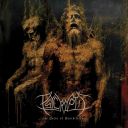
Seedów: 0
Komentarze: 0
Data dodania:
2026-11-25 17:09:28
Rozmiar: 94.00 MB
Peerów: 0
Dodał: Fallen_Angel
Opis
...SIŁA I PIĘKNO MUZYKI TKWIĄ W JEJ RÓŻNORODNOŚCI...
..::OPIS::.. Psycroptic stworzyło jedno z najbardziej satysfakcjonujących wydawnictw swojej epoki. Po ponad dwóch dekadach gry, 'The Pulse of Annihilation' udowadnia, że ci Tasmańczycy mają jeszcze wiele do zaoferowania i nic nie wskazuje na to, że w najbliższym czasie zwolnią tempo. Whether it’s 2015’s Psycroptic, 2018’s As the Kingdom Drowns, or 2022’s Divine Council, Psycroptic always put out something special. The Pulse of Annihilation is no exception to this trend, as the band spend 40 minutes showing once again just why they are so highly regarded by extreme metal connoisseurs. Psycroptic play technical death metal of an uncommon type. Why uncommon? Well, basically because the technicality on display is only a means to an end. While lesser bands focus on flashy ostentation for the sake of it, Psycroptic focus on actual songs, with melodic depth and way more feeling and emotional content than is normal for any death metal band. In short, Psycroptic have forged their own unique space in death metal’s killing grounds, and they absolutely dominate it. Which brings us to The Pulse of Annihilation, Psycroptic’s latest opus. As usual, it sounds exactly like Psycroptic, yet also has a personality of its own within the band’s enviable discography. Riffs riffs riffs! Psycroptic bring the riffs. Rather than stringing them together thoughtlessly though – which would have been impressive enough considering their quality – they’re arranged by well-considered songwriting into something remarkably affecting. This is not just a product of the guitars of course, but of every instrument working together to produce something greater than the some of its parts. This includes the vocals, which are as individually rendered and passionately delivered as ever, (with top tier additional growls from the formidable singer of Origin). It’s worth stating again that one of the keys to Psycroptic’s success is their ability to make the listener feel, to take them on an evocative journey, to provide expressive soundscapes for the listener to explore at length. That they do this through the medium of catchy, hook-filled death metal is extraordinary. You can overanalyse this, and start talking about emergent properties arising from complexity, but ultimately, Psycroptic simply know their art extremely well. This is death metal, intelligently built, rich in atmosphere, dense in complexity, and delivered with feeling. More than this though, Psycroptic albums are also just damn fun to listen to. The Pulse of Annihilation is hideously enjoyable. When experiencing Psycroptic, you can get lost in their emotive melodies, you can marvel at their technical skill, but you can also just dance like a motherfucker. Ideally, all at once. The Pulse of Annihilation is a beast. Wonderbox Metal If you are a fan of death metal, you will have heard of the Australian legends Psycroptic. The guys have been around since the early 2000’s. Focussed around the Haley brothers, Psycroptic have released 9 full lengths, 1 EP and 1 live album. The band have always ventured the borders of technical death metal and have always found their ease in the tech-death realm. With quite a few changes in their sound, Psycroptic have never failed to produce a solid tech-death album. My introduction to Psycroptic was when they released ‘Inherited Repression’. I had seen the artwork all over the place and back then, I had a digipak version of said album which I lost and rebought recently. Then I saw a post from a buddy of mine and through that post I found out that Psycroptic conjured up a new album. Released on the 17th of July, ‘The Pulse of Annihilation’ is fresh out of the pressing plants and will make its notice around the tech-death world. To be clear, nowadays the Archspire tech-death is conquering the world quicker than this ‘older’ style of tech-death which is a shame. Psycroptic has been solid in producing their take on tech-death. Their take involves hints of thrash metal which is always nice to hear. It forms the core of their tech-death style riffs. Psycroptic’s music has always been very headbangable instead of leaning towards breakdowns in their music which is (now) a very popular thing to do in the tech-death world. You can even say that the opening riff from the opening track ‘Ashes of a New Dawn’ could lure in some Gojira fans which is a good thing. The track is a good representation of what Psycroptic has got in their arsenal. From atmospheric elements to straight up insane double bass blast beats, Psycroptic will have you covered. The magnum opus on ‘The Pulse of Annihilation’ is ‘Our Pillars Fall’. The almost 7 minute track will guide you through the capabilities of Psycroptic. From atmospheric acoustic elements to their classic tech-death sound, ‘Our Pillars Fall’ is an adventure through the musical minds of Psycroptic. From groove to just amazement of the musical capabilities, Psycroptic have released another stellar album. You can blindly buy every single Psycroptic album and you will be pleased with the result. And yes, with ‘The Pulse of Annihilation’, Psycroptic have released a tech-death record which will fulfill the tech-death needs of the genre's fans. The album feels mature, well produced but still very fun. Nothing feels forced and you hear the fun that these guys had while making ‘The Pulse of Annihilation’. You know what you are going to get from Psycroptic just like a Vader or an Immolation album, every single time you are going to get quality and well produced music that will satisfy your needs. A fantastic representation of the musical abilities of the guys of Psycroptic. bonnoz ..::TRACK-LIST::.. 1. Ashes of a New Dawn 04:07 2. Gathering a Venomous Herd 03:18 3. A Sword of Me 04:28 4. No Time for the Weak 03:42 5. Our Pillars Fall 06:44 6. Annihilation Pulse 04:03 7. No Blade of Grass 03:24 8. To Embrace This Curse 04:10 9. Forging the Crown 04:42 ..::OBSADA::.. David Haley - Drums Joe Haley - Guitars Jason Peppiatt - Vocals Todd Stern - Bass https://www.youtube.com/watch?v=D_QWx9KV6V0 SEED 14:30-22:00. POLECAM!!! 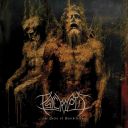
Seedów: 0
Komentarze: 0
Data dodania:
2026-11-25 17:05:57
Rozmiar: 304.50 MB
Peerów: 0
Dodał: Fallen_Angel
Opis
...SIŁA I PIĘKNO MUZYKI TKWIĄ W JEJ RÓŻNORODNOŚCI...
..::OPIS::.. 'Jeśli długo patrzysz w otchłań, otchłań również patrzy w ciebie' Nietzsche Wiecie co jest chujowe? Że przez ten śmieszny „blackest” metalowy Xicifruk słysząc obecnie nazwę Qrixkuor mam cały czas skojarzenie, które podświadomie stara się obrzydzić mi muzykę Brytyjczyków. Ale taki chuj, nie dam się! No, chwilę kazali czekać na następcę „Poison Palinopsia”. Cztery lata – niby dużo, ale jakoś minęło, szczególnie że po drodze jeszcze ukazała się EPka „Zoetrope”. Ale w końcu jest nowy krążek – „The Womb of the World”. I jak jest? No kurwa, jest trochę inaczej. A nawet nie trochę. I nie bez kozery wspomniałem tutaj o „Zoetrope”, bowiem to na niej Qrixkuor wprowadziło orkiestracje do swojej muzyki. Czy jak to tam zwał. Natomiast na drugiej płycie odpowiadający za całość Steve jeszcze bardziej je rozbuchał, nasycając ten mroczny death metal niemal do granicy wytrzymałości. Serio – odnoszę wrażenie, że „The Womb of the World” jest jakąś mroczną odpowiedzią na death/black metalową symfonię zniszczenia – przy użyciu instrumentów dętych, smyczkowych, szarpanych… Dzieje się tutaj wiele. Muzyka Qrixkuor już wcześniej była chaotyczna, pełna zmian tempa, ciężaru – teraz gdy dochodzą te wszystkie orkiestracyjne elementy mamy wrażenie, że całość zaraz eksploduje od ilości dźwięków. Również w kwestii wokali mamy nieco zmian – poza grobowymi growlami i pomrukiwaniami, dostajemy jeszcze (co prawda gościnnie) damskie, opętane partie w „And You Shall Know Perdition As Your Shrine…” – autorstwa Jaded Lung z Adorior. Ja Wam się przyznam, że w notce promo szukałem wspominki o Hekte Zaren, bo stopień obłąkania w tych aranżacjach jest niemożliwy. Zestawiając to z chorymi smyczkami, uderzeniami dzwonu i ponurymi, potężnymi gitarami dostajemy istne, muzyczne pandemonium. Teraz musimy zadać sobie jednak najważniejsze pytanie: czy to co słyszymy jest dobre? Moim zdaniem tak, choć równocześnie mam wrażenie, że granica między nazwijmy to artyzmem a kiczem jest dość cienka. Nie mówiąc już o tym, że z uwagi na te zmiany, wielu słuchaczy którzy uważali „Poison Palinopsia” za album bardzo dobry lub wręcz doskonały (jak ja) mogą po prostu odbić się od „The Womb of the World” z uwagi na mnogość wtrętów… Co ja mówię – to już nie są wtręty, to jest pełnoprawna część płyty. I to właśnie paradoksalnie może być problem. Dla mnie nie – mamy do czynienia z muzycznym obrazem Sodomy i Gomory, a najwyraźniej znajdujące się w tych miastach orkiestry postanowiły zostać i grać do samego końca. Stąd wzięło się właśnie „The Womb of the World”. Czy to album lepszy od „Poison Palinopsia”? Subiektywnie powiem – chyba nie. Jak widać, ja też muszę wyjść ze strefy komfortu względem tego zespołu i przełamać się w zupełności, co nie zawsze się udaje. Czy będzie to płyta dyskutowana? Nie wiem – Qrixkuor nie jest chyba aż tak popularny, by masowo dyskutowano o jego muzyce i rozkładano ją na czynniki pierwsze. A trochę szkoda, bo na to w pełni zasługuje. Wciąż to bardzo dobra pozycja, choć bardzo złożona i trudna. Na pewno zasługuje na wiele przesłuchań, zanim wydacie swoją opinię. Oracle Well, are they? Were they ever really playing it or were we just calling everything with a lot of tremolo patterns and reverb caverncore? Cruciamentum and Dead Congregation had only tangential links to it and were increasingly defined by their love of Morbid Angel rather than Incantation. Vacivus dropped it entirely for Temple of the Abyss. Ignivomous did the same for their sophomore, then moved away even further for the third album. Grave Miasma went from a flagship of the style to a neighbor of it by the time of Abyss of Wrathful Deities. It's probably not a great sign for a style if its founders rapidly begin leaving it behind or it turns out that they didn't really count as participants in the first place. It's not going extinct by any means with bands like Encoffination, Grave Upheaval, and Antediluvian still being active. Yet the third band gains more attention than the former in my experience and it's not hard to hear why. This style, born primarily out of a mixture of bands like Blasphemy, Incantation, 90's Imprecation, and especially Demoncy's Joined in Darkness, fused the murk of the forms of primitive first wave black metal and death metal closest to one another, foregoing the faster, frozen Nordic melodies and relentless riffage of the death metal of the late 90's and early 2000's for something slower, implicit rather than explicit, and very, very murky. It was refreshing for its time but rapidly demonstrated itself as even narrower than the OSDM and dissodeath it formed a sort of united front with against the brutal-technical-hyperblasting paradigm of that era. Increasingly cryptic, or if you're an A24 filmbro, "elevated" takes on it have begin to sprout up simply because in a style so reductive, any bit of creativity starts massively changing the norm. Antedluvian are one of the longstanding practitoners of caverncore as a whole but have also always been one of the stranger, noisier ones. Recently they have been joined by Epitaphe, last album Prometheus (Greece), Defacement, possibly Khthoniik Cerviiks, Vile Ritual, Hadit, and of course, Qrixkuor in opening up a vast front for this overpopulated style. A part of the burgeoning death metal revival in the UK, Qrixkuor admittedly weren't anything to write home about when they got their start in 2014, simply one amongst many cavern-dwellers in a rapidly crowded style. 2017 would see them make a few changes to their sound that would begin a cascade of musical mutations. Their sound got somewhat more conventionally riffy but also began to let a bit of Immolation creep in as well as working in simple but spacious harmonies communicating an increasingly surreal, warped atmosphere. What Three Devils Dance hinted at, Poison Palinopsia would fully indulge in becoming an outright psychedelic, swirling morass of Nightbringer and Bestia Arcana esque shimmering harmonies emerging out of the choking fog of a cavernous baseline. The next escalation came in the form of 2022's Zoetrope EP which saw the band veering into the territory of- Symphonic metal? Close enough, welcome back Amnesia. (Listen to Land of No Return.) Okay, they didn't turn into Nightwish or Fleshlight Aslopalypse but it's definitely not a Nuclear Blast band from the 2000's either. I've seen a comparison to Anthems to the Welkin at Dusk and to their credit, they're still primarily a riffs-first band. The fancy strings and creepy choirs are simply an excellent set of appetizers, sauce, and seasoning that plays off of it but they've become a far more dynamic band as a whole, something this orchestral onslaught is assisted by rather than vice versa. They're juggling a lot now but the cavernous tendency towards abstraction ends up creating a space where much of what might come off as superfluous excess finds a space to create a variety of unsettling harmonies and sinister melodies. It's an unexpectedly intuitive fit. Three years have passed and with the assistance of "The Orchestra of the Silent Stars", The Womb of the World has arrived and once again, transformed the promise of an EP into a full length. It's not just an orchestra that has changed; Qrixkuor's riffing is at its most active and dynamic yet even within the boundaries of this style. Psychotic, alien leads wail out from behind the haze of the booming, sonorous symphonics and reverberating riffing buttresses the shrill cries of a massive string section, ghostlike and towering in its supernatural majesty. Qrixkuor's sound had been leaning towards becoming busier and busier, positively becoming an entire metropolis' worth of activity. Purely in terms of presentation, Qrixkuor simply have an incredible grasp of satisfyingly visceral black-death. It can definitely get lost under the increasingly surreal, sometimes vaguely "horror movie film score from the pain dimension featuring Penderecki from the War Crime Orchestra Series" lunacy unfolding. They aren't exactly big on lame turboposer bullshit like "hooks" and "easily discerned song structure" either. Still, the shock and awe effect here works amazingly well, building on the raw impact and immediacy of their increasingly aggressive, demanding sound. You can make a pretty good argument for Qrixkuor as being symphonic death/black metal now but they're rather select in the usage of the subgenre prefix. The main weapon in the arsenal is still Steve's ever-twisting riffs and at times wildly unhinged lead playing, setting up ambience and intensity as the actual symphonies loom and lurk in the spaces created by the reverberating attack. At times they'll flesh out the colour and tonality of a segment, holding back and lurking in the background, but The Womb of the World allows for more than a few moments where the riffs dial back a little and the strings begin to work their warped magic. Not "cut out for a clean break" (sorry, no Opeth interludes here!), Steve is still riffing away. These relatively less busybodied portions allow for relatively lower-key but no less insidious technique to play into surrealistic qualities of the orchestration. It can border on overwhelmingly maddening when both are going at it near to actually full-throttle but the band know when to save up for those moments, keeping their cards close to their chest and not afraid to rely on pure metallic craftsmanship. Like the best of oddball experimental metal, whether it's recent Orgone, !T.O.O.H.!, or Fleshvessel, Qrixkuor's metal parts are fused tightly into their not-so-metal ones, enough that they often come off as extensions of one another. They are a more adventurous band than they were a little over a decade ago, but the core ideas they began with have evolved to accomodate growing ambitions. Does Qrixkuor still count as a caverncore band now or have they "decavernized"? There's a solid argument for either perspective - there's more actual riffing going on and even at its weirdest, everything is more concrete rather than esoteric as a whole. The dynamism of death metal plays a larger role as well; even the orchestra reflects this in how it always as a response to Steve at just the right moments. I would still leant owards being I suppose "progressive caverncore"; they're still less about jagged death metal intensity and a lot of it intentionally blurs into these giant, textured tidal waves sonorous and seemingly endless in nature. As such, its black metal aspect isn't exactly pushed into a supporting role either and if anything, this makes a case for the possiblities still present in this style (and for a bit of needlessly arrogant and smug genre chauvinism, the acknolwedgement of how much the black metal aesthetics require a heavy dose of death metal architecture to get their full mileage). Even if you don't like caverncore (entirely justified, Sturgeon's Rule hit this style almost as mercilessly bad as war metal), Qrixkuor are best understood on their own terms. For years, people thought that evil, atmospheric, morbid death metal bands experimenting with film-score esque bombast and string sections were something that would be relegated to one off oddities from the 90's until the 2000's made us regret us wishing for that. Over 30 years into the genre's history and bands are finally making a distant pipe dream into a well realized artistic effort. They aren't going to be alone this year. Lychgate's Precipice, featuring Greg Chandler who produced The Womb of the World, seems to be headed for a similar level of lunacy that also shifts towards death metal influence in a way older works iddn't. Fleshvessel's Obstinacy: Sisyphean Dreams Unfolded also taking their sound in a much faster, more explosive direction combined with zany chamber music outbursts, something they already had a good deal of experience with albeit with doomier death metal and far less black metal in the mix. While only Qrixkuor would count as caverncore among them, they all seem to suggest a potential new frontier forming at death metal's fringes without any strict allegiances to style or subgenre. I would be hesitant to say that caverncore is in an entirely better state than previously. Straight from the start it already had the most overt shorcomings of all the major latter day pure death metal movements but perhaps this wasn't really as much of an issue as once thought. Historically, limitations have always been one of metal's best allies. Colombian ultra metal, Brazilian bestialfagoccultism, and even the second wave of black metal were typically defined by a far lower level of technicality and restrictive genre boundaries, yet they laid the foundations for some of the most explosive genre growth that much extreme metal still rests upon to this day. Caverncore is unlikely to have the same far-ranging effects like every other form of metal this far into its history, but the same things that limit it have also been morphed and exploited to unlock the potential that once could only be hintd at and theorized. As it turns out, change is often the only constant; it's just a matter of time as to when it begins notably materializing. Stillborn Machine ..::TRACK-LIST::.. 1. So Spoke the Silent Stars 12:02 2. Slithering Serendipity 12:51 3. And You Shall Know Perdition As Your Shrine... 08:30 4. The Womb of the World 16:53 ..::OBSADA::.. S - Guitars, bass and vocals D - Drums https://www.youtube.com/watch?v=9Uw6mYjFS4M SEED 15:00-22:00. POLECAM!!! 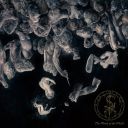
Seedów: 0
Komentarze: 0
Data dodania:
2026-11-08 20:51:08
Rozmiar: 118.63 MB
Peerów: 0
Dodał: Fallen_Angel
Opis
...SIŁA I PIĘKNO MUZYKI TKWIĄ W JEJ RÓŻNORODNOŚCI...
..::OPIS::.. 'Jeśli długo patrzysz w otchłań, otchłań również patrzy w ciebie' Nietzsche Wiecie co jest chujowe? Że przez ten śmieszny „blackest” metalowy Xicifruk słysząc obecnie nazwę Qrixkuor mam cały czas skojarzenie, które podświadomie stara się obrzydzić mi muzykę Brytyjczyków. Ale taki chuj, nie dam się! No, chwilę kazali czekać na następcę „Poison Palinopsia”. Cztery lata – niby dużo, ale jakoś minęło, szczególnie że po drodze jeszcze ukazała się EPka „Zoetrope”. Ale w końcu jest nowy krążek – „The Womb of the World”. I jak jest? No kurwa, jest trochę inaczej. A nawet nie trochę. I nie bez kozery wspomniałem tutaj o „Zoetrope”, bowiem to na niej Qrixkuor wprowadziło orkiestracje do swojej muzyki. Czy jak to tam zwał. Natomiast na drugiej płycie odpowiadający za całość Steve jeszcze bardziej je rozbuchał, nasycając ten mroczny death metal niemal do granicy wytrzymałości. Serio – odnoszę wrażenie, że „The Womb of the World” jest jakąś mroczną odpowiedzią na death/black metalową symfonię zniszczenia – przy użyciu instrumentów dętych, smyczkowych, szarpanych… Dzieje się tutaj wiele. Muzyka Qrixkuor już wcześniej była chaotyczna, pełna zmian tempa, ciężaru – teraz gdy dochodzą te wszystkie orkiestracyjne elementy mamy wrażenie, że całość zaraz eksploduje od ilości dźwięków. Również w kwestii wokali mamy nieco zmian – poza grobowymi growlami i pomrukiwaniami, dostajemy jeszcze (co prawda gościnnie) damskie, opętane partie w „And You Shall Know Perdition As Your Shrine…” – autorstwa Jaded Lung z Adorior. Ja Wam się przyznam, że w notce promo szukałem wspominki o Hekte Zaren, bo stopień obłąkania w tych aranżacjach jest niemożliwy. Zestawiając to z chorymi smyczkami, uderzeniami dzwonu i ponurymi, potężnymi gitarami dostajemy istne, muzyczne pandemonium. Teraz musimy zadać sobie jednak najważniejsze pytanie: czy to co słyszymy jest dobre? Moim zdaniem tak, choć równocześnie mam wrażenie, że granica między nazwijmy to artyzmem a kiczem jest dość cienka. Nie mówiąc już o tym, że z uwagi na te zmiany, wielu słuchaczy którzy uważali „Poison Palinopsia” za album bardzo dobry lub wręcz doskonały (jak ja) mogą po prostu odbić się od „The Womb of the World” z uwagi na mnogość wtrętów… Co ja mówię – to już nie są wtręty, to jest pełnoprawna część płyty. I to właśnie paradoksalnie może być problem. Dla mnie nie – mamy do czynienia z muzycznym obrazem Sodomy i Gomory, a najwyraźniej znajdujące się w tych miastach orkiestry postanowiły zostać i grać do samego końca. Stąd wzięło się właśnie „The Womb of the World”. Czy to album lepszy od „Poison Palinopsia”? Subiektywnie powiem – chyba nie. Jak widać, ja też muszę wyjść ze strefy komfortu względem tego zespołu i przełamać się w zupełności, co nie zawsze się udaje. Czy będzie to płyta dyskutowana? Nie wiem – Qrixkuor nie jest chyba aż tak popularny, by masowo dyskutowano o jego muzyce i rozkładano ją na czynniki pierwsze. A trochę szkoda, bo na to w pełni zasługuje. Wciąż to bardzo dobra pozycja, choć bardzo złożona i trudna. Na pewno zasługuje na wiele przesłuchań, zanim wydacie swoją opinię. Oracle Well, are they? Were they ever really playing it or were we just calling everything with a lot of tremolo patterns and reverb caverncore? Cruciamentum and Dead Congregation had only tangential links to it and were increasingly defined by their love of Morbid Angel rather than Incantation. Vacivus dropped it entirely for Temple of the Abyss. Ignivomous did the same for their sophomore, then moved away even further for the third album. Grave Miasma went from a flagship of the style to a neighbor of it by the time of Abyss of Wrathful Deities. It's probably not a great sign for a style if its founders rapidly begin leaving it behind or it turns out that they didn't really count as participants in the first place. It's not going extinct by any means with bands like Encoffination, Grave Upheaval, and Antediluvian still being active. Yet the third band gains more attention than the former in my experience and it's not hard to hear why. This style, born primarily out of a mixture of bands like Blasphemy, Incantation, 90's Imprecation, and especially Demoncy's Joined in Darkness, fused the murk of the forms of primitive first wave black metal and death metal closest to one another, foregoing the faster, frozen Nordic melodies and relentless riffage of the death metal of the late 90's and early 2000's for something slower, implicit rather than explicit, and very, very murky. It was refreshing for its time but rapidly demonstrated itself as even narrower than the OSDM and dissodeath it formed a sort of united front with against the brutal-technical-hyperblasting paradigm of that era. Increasingly cryptic, or if you're an A24 filmbro, "elevated" takes on it have begin to sprout up simply because in a style so reductive, any bit of creativity starts massively changing the norm. Antedluvian are one of the longstanding practitoners of caverncore as a whole but have also always been one of the stranger, noisier ones. Recently they have been joined by Epitaphe, last album Prometheus (Greece), Defacement, possibly Khthoniik Cerviiks, Vile Ritual, Hadit, and of course, Qrixkuor in opening up a vast front for this overpopulated style. A part of the burgeoning death metal revival in the UK, Qrixkuor admittedly weren't anything to write home about when they got their start in 2014, simply one amongst many cavern-dwellers in a rapidly crowded style. 2017 would see them make a few changes to their sound that would begin a cascade of musical mutations. Their sound got somewhat more conventionally riffy but also began to let a bit of Immolation creep in as well as working in simple but spacious harmonies communicating an increasingly surreal, warped atmosphere. What Three Devils Dance hinted at, Poison Palinopsia would fully indulge in becoming an outright psychedelic, swirling morass of Nightbringer and Bestia Arcana esque shimmering harmonies emerging out of the choking fog of a cavernous baseline. The next escalation came in the form of 2022's Zoetrope EP which saw the band veering into the territory of- Symphonic metal? Close enough, welcome back Amnesia. (Listen to Land of No Return.) Okay, they didn't turn into Nightwish or Fleshlight Aslopalypse but it's definitely not a Nuclear Blast band from the 2000's either. I've seen a comparison to Anthems to the Welkin at Dusk and to their credit, they're still primarily a riffs-first band. The fancy strings and creepy choirs are simply an excellent set of appetizers, sauce, and seasoning that plays off of it but they've become a far more dynamic band as a whole, something this orchestral onslaught is assisted by rather than vice versa. They're juggling a lot now but the cavernous tendency towards abstraction ends up creating a space where much of what might come off as superfluous excess finds a space to create a variety of unsettling harmonies and sinister melodies. It's an unexpectedly intuitive fit. Three years have passed and with the assistance of "The Orchestra of the Silent Stars", The Womb of the World has arrived and once again, transformed the promise of an EP into a full length. It's not just an orchestra that has changed; Qrixkuor's riffing is at its most active and dynamic yet even within the boundaries of this style. Psychotic, alien leads wail out from behind the haze of the booming, sonorous symphonics and reverberating riffing buttresses the shrill cries of a massive string section, ghostlike and towering in its supernatural majesty. Qrixkuor's sound had been leaning towards becoming busier and busier, positively becoming an entire metropolis' worth of activity. Purely in terms of presentation, Qrixkuor simply have an incredible grasp of satisfyingly visceral black-death. It can definitely get lost under the increasingly surreal, sometimes vaguely "horror movie film score from the pain dimension featuring Penderecki from the War Crime Orchestra Series" lunacy unfolding. They aren't exactly big on lame turboposer bullshit like "hooks" and "easily discerned song structure" either. Still, the shock and awe effect here works amazingly well, building on the raw impact and immediacy of their increasingly aggressive, demanding sound. You can make a pretty good argument for Qrixkuor as being symphonic death/black metal now but they're rather select in the usage of the subgenre prefix. The main weapon in the arsenal is still Steve's ever-twisting riffs and at times wildly unhinged lead playing, setting up ambience and intensity as the actual symphonies loom and lurk in the spaces created by the reverberating attack. At times they'll flesh out the colour and tonality of a segment, holding back and lurking in the background, but The Womb of the World allows for more than a few moments where the riffs dial back a little and the strings begin to work their warped magic. Not "cut out for a clean break" (sorry, no Opeth interludes here!), Steve is still riffing away. These relatively less busybodied portions allow for relatively lower-key but no less insidious technique to play into surrealistic qualities of the orchestration. It can border on overwhelmingly maddening when both are going at it near to actually full-throttle but the band know when to save up for those moments, keeping their cards close to their chest and not afraid to rely on pure metallic craftsmanship. Like the best of oddball experimental metal, whether it's recent Orgone, !T.O.O.H.!, or Fleshvessel, Qrixkuor's metal parts are fused tightly into their not-so-metal ones, enough that they often come off as extensions of one another. They are a more adventurous band than they were a little over a decade ago, but the core ideas they began with have evolved to accomodate growing ambitions. Does Qrixkuor still count as a caverncore band now or have they "decavernized"? There's a solid argument for either perspective - there's more actual riffing going on and even at its weirdest, everything is more concrete rather than esoteric as a whole. The dynamism of death metal plays a larger role as well; even the orchestra reflects this in how it always as a response to Steve at just the right moments. I would still leant owards being I suppose "progressive caverncore"; they're still less about jagged death metal intensity and a lot of it intentionally blurs into these giant, textured tidal waves sonorous and seemingly endless in nature. As such, its black metal aspect isn't exactly pushed into a supporting role either and if anything, this makes a case for the possiblities still present in this style (and for a bit of needlessly arrogant and smug genre chauvinism, the acknolwedgement of how much the black metal aesthetics require a heavy dose of death metal architecture to get their full mileage). Even if you don't like caverncore (entirely justified, Sturgeon's Rule hit this style almost as mercilessly bad as war metal), Qrixkuor are best understood on their own terms. For years, people thought that evil, atmospheric, morbid death metal bands experimenting with film-score esque bombast and string sections were something that would be relegated to one off oddities from the 90's until the 2000's made us regret us wishing for that. Over 30 years into the genre's history and bands are finally making a distant pipe dream into a well realized artistic effort. They aren't going to be alone this year. Lychgate's Precipice, featuring Greg Chandler who produced The Womb of the World, seems to be headed for a similar level of lunacy that also shifts towards death metal influence in a way older works iddn't. Fleshvessel's Obstinacy: Sisyphean Dreams Unfolded also taking their sound in a much faster, more explosive direction combined with zany chamber music outbursts, something they already had a good deal of experience with albeit with doomier death metal and far less black metal in the mix. While only Qrixkuor would count as caverncore among them, they all seem to suggest a potential new frontier forming at death metal's fringes without any strict allegiances to style or subgenre. I would be hesitant to say that caverncore is in an entirely better state than previously. Straight from the start it already had the most overt shorcomings of all the major latter day pure death metal movements but perhaps this wasn't really as much of an issue as once thought. Historically, limitations have always been one of metal's best allies. Colombian ultra metal, Brazilian bestialfagoccultism, and even the second wave of black metal were typically defined by a far lower level of technicality and restrictive genre boundaries, yet they laid the foundations for some of the most explosive genre growth that much extreme metal still rests upon to this day. Caverncore is unlikely to have the same far-ranging effects like every other form of metal this far into its history, but the same things that limit it have also been morphed and exploited to unlock the potential that once could only be hintd at and theorized. As it turns out, change is often the only constant; it's just a matter of time as to when it begins notably materializing. Stillborn Machine ..::TRACK-LIST::.. 1. So Spoke the Silent Stars 12:02 2. Slithering Serendipity 12:51 3. And You Shall Know Perdition As Your Shrine... 08:30 4. The Womb of the World 16:53 ..::OBSADA::.. S - Guitars, bass and vocals D - Drums https://www.youtube.com/watch?v=9Uw6mYjFS4M SEED 15:00-22:00. POLECAM!!! 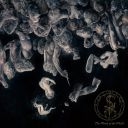
Seedów: 0
Komentarze: 0
Data dodania:
2026-11-08 20:46:31
Rozmiar: 368.00 MB
Peerów: 0
Dodał: Fallen_Angel
Opis
...SIŁA I PIĘKNO MUZYKI TKWIĄ W JEJ RÓŻNORODNOŚCI...
..::OPIS::.. „O kurwa, co tu się właśnie odjebało?!” – taka mniej więcej była moja reakcja gdy usłyszałem zwiastujący niniejszy krążek singiel „The True Story”. A potem wjechała cała płyta i wciągnęła mnie nosem, nawet kubotów nie oszczędzając. Jeśli nie załapaliście – mowa o najnowszym dziele Throneum, czyli „Love is the Law but Death is the Frame”. Dla porządku tylko powiem – dziesiątego albumu Throneum. I zarazem ich najlepszego? Może tak być. Ja zawsze lubiłem i ceniłem twórczość Toma, oczywiście nie sposób żebym posiadał wszystko co wydał, ale kilka(naście?) tytułów na półce dumnie stoi. A dziś słucham „Love is the Law but Death is the Frame” i nie mogę wyjść z podziwu, że to ten sam zespół, który nagrał „Old Death’s Lair” – choć obecnie poza Tomem skład oczywiście się różni. Zresztą Diabolizer i Armagog to utalentowane i oddane podziemiu skurwiesyny, żeby nie było nie domówieni. Dobra, przejdźmy do zawartości muzycznej. Zapewne jeśli ktoś dwadzieścia lat temu powiedziałby mi, że na Throneum znajdziemy damskie wokale, do tego czyste – ja bym nie uwierzył. Nie jestem pewien, czy sam Tomasz nie popukałby się w głowę. Tymczasem pełni on na tej płycie w kilku momentach rolę niepoślednią. Generalnie Throneum już na poprzedniej płycie bardzo mocno zaczął eksperymentować z formą swojego death metalu, na „Oh Death… Oh Death… Determinate, Preach and Lead Us Astray…” zahaczał jednak bardziej o black metalowe klimaty – zaś tutaj mamy do czynienia z czymś… psychodelicznym? Chwilami mam wrażenie, że Electric Wizard zabrało się za granie metalu śmierci (vide: „The Fallen Ones”) – powolny, doomowy wstęp, ciężki jak skurwysyn, z rozmytymi plamami w tle. Nie przypominam sobie, żebym wcześniej słyszał coś takiego na krążku Throneum. W ogóle to jeden z ciekawszych utworów tego hordu w ogóle (a przecież ileż ich powstało!). Fascynujące jest to, że o ile wcześniej Throneum wydawało świetne płyty, generalnie były bardzo jednolite i zamknięte w pewnej, stricte podziemnej death metalowej konwencji. A od jakiegoś czasu słychać, że Tom jest muzykiem i kompozytorem bardzo otwartym – nowy album jest tego dobitnym przykładem. Ten obskurny death metal na „Love is the Law but Death is the Frame” otrzymał jakby drugie życie – na swój groteskowy, wykoślawiony sposób. Gdzieś mi się obiło o uszy „nightmarish death metal” i – o ile tego typu łatki bardzo mnie wkurwiają – tak w przypadku najnowszego album Throneum coś w tym jest. Ta muzyka brzmi jak jakiś popierdolony death metalowy koszmar, ale jest tak skomponowany i zagrany, że absolutnie nie chcę się z niego wybudzić. Każdy z tych numerów jest w istocie death metalem, ale zarazem każdy ma swój własny charakter. A równocześnie ta płyta brzmi spójnie. Brzmi dojrzale. Brzmi paskudnie i podziemnie. Słowo o produkcji – ten krążek ma totalnie dokurwiony sound. To w jaki sposób wyprodukowano ten album – czapki z głów. Z jednej strony to już zdecydowanie inne brzmienie niż taki „Bestial Antihuman Evil”, ale zarazem jest to płyta równie ekstremalna co wcześniejsze nagrania Throneum. Czego chcieć więcej? Jestem pod olbrzymim wrażeniem – zaczynam mocno główkować nad tym, czy „Love is the Law but Death is the Frame” to nie będzie mój ulubiony, najczęściej słuchany death metalowy krążek wypuszczony w tym roku. Pierdolony potwór. Zamówienie do Potężnego Wydawcy już oczywiście poleciało. Oracle W zasadzie to przestałem już czekać na nowy album Throneum. Kiedy bowiem ostatni raz rozmawiałem z Tomkiem, vel Wielkim Egze, mówił, że zespół na razie leży odłogiem. Skoncentrował się w zamian na Giants Dwarfs And Black Holes, tworze o kompletnie innej, zupełnie nieprzemawiającej do mnie stylistyce. Aż tu nagle dnia pewnego, muzykowi trafiło się dłuższe L-4, więc zamiast siedzieć w chałupie bezczynnie, wziął się i pierdolnął materiał na „Love is the Law but Death is the Frame”. Dlaczego wspominam o tych okolicznościach? Bo one bardzo dużo wyjaśniają w kontekście samej płyty. Według mnie jest to najbardziej awangardowy, popieprzony, najmocniej improwizowany materiał jaki ukazał się pod szyldem Throneum. Jakichkolwiek klasycznych struktur utworów tu nie ma. Sytuacja niejednokrotnie zmienia się diametralnie podczas jednego kawałka, i to jeszcze zanim zdążymy się oswoić z poprzednią. I to zmienia się nie tylko pod względem tempa, że z blastu wyhamowujemy do zera. To akurat pikuś. Ale z death metalu wchodzimy w jakieś narkotyczne jazzy, czy inne happeningi, które autentycznie przypominają miejscami uliczne jammowanie grupy muzyków, którzy akurat przypadkowo przynieśli ze sobą swoje instrumenty. Gdzie indziej pojawia się motyw na quazirytualne bębny, za chwilę granie bardziej przypomina ścieżkę do przedstawienia teatralnego, potem przed oczami malowany nam jest kosmos, przemknie jakiś motyw orientalny, no ja pierdolę, co tu się odjaniepawla? I jeszcze panna na przesterowanym wokalu, robiąca wiedźmowy klimat, pojawiająca się tutaj stosunkowo często. Zresztą wokalnie Grand Executor też zdaje się poszerzać skalę, nie wrzeszcząc w jednej tonacji jak w dawnych czasach. Ponadto w jego głosie rysują się tym razem także inne emocje niż tylko gniew i nienawiść. Niesamowitą rolę odgrywa na tych nagraniach bas. To już nie jest jedynie instrument do podbicia tonu. On tutaj wygrywa swoje odrębne pasaże, niejednokrotnie nie mniej ciekawe niż gitara wiodąca. Zaskakuje też Diabolizer, który totalnie poczuł ten mocno odmienny klimat, i gra na tej płycie inaczej niż kiedykolwiek wcześniej. Zapytacie zapewne, czy w takim razie zostało tu jeszcze cokolwiek ze starego Throneum. A i owszem, i to więcej niż można się spodziewać. Pomijając charakterystyczny sposób kostkowania i tworzenia melodii (no niestety, niektórych nawyków się człowiek nie wyzbędzie), tych klasycznych Throneumowych melodii, przewijającego się w tych kompozycjach wkurwu i kontrolowanego chaosu, oraz wystawiony do całej sceny środkowy palec. No i jest ponownie nagrany numer z drugiego demo, ale w wersji dopasowanej do współczesnego oblicza zespołu. Zespołu, który nigdy nie podążał za modą. Oni zawsze robili swoje, czasem na przekór dla samej zasady. Tutaj poszli jeszcze bardziej po bandzie. Powiem wam szczerze, myślę, że „Love is the Law but Death is the Frame” przysporzy chłopakom więcej antagonistów niż nowych fanów. Mi się ta płyta podoba, i to bardzo, choć tak naprawdę to zaczęła odpowiednio żreć dopiero po trzecim odsłuchu. Jest to album, który długo się trawi, ale jak już się przyjmie, to zostaje w głowie na dłużej niż tylko trzy popołudnia. Wracam do słuchania, bo nie mogę się oderwać. jesusatan Bytom, 1996. It is hard to imagine a better time and place to start a band playing music that, for the next several decades, would sound as if it had been recorded two floors underground. And I am not talking only about the obvious association with Silesia, mines, and coal. Bytom has the weight of an old industrial city, monumental tenement buildings standing next to crumbling courtyards, and ground that was drilled through so intensively for decades that in places it eventually started demanding its due. It can be beautiful and fucking ugly at the same time, dignified and run-down. It is hard to imagine a better backdrop for Throneum. This is where Tomasz "The Great Executor" brought Throne to life, a band renamed Throneum a few years later. Musically, Throneum were most interested in the moldiest branch of extreme death metal. Not the surgically precise kind of death metal, but the kind that remembers the days when everything was supposed to be above all evil, heavy, and unhealthy. Autopsy with its rotting riffs, Asphyx with a steamroller crushing your chest, the underground abyss of Incantation, Necrovore sounding like a message intercepted straight from hell. Add some old black metal, a bit of thrash venom, and the belief that if the amplifier is crackling, it does not necessarily need fixing. Over the years, this has resulted in a discography that looks like the product of pathological hoarding: albums, demos, EPs, tapes, seven-inches, and a whole army of splits. Even someone who has been following Throneum for years might wonder whether they have somehow missed something along the way. If the 2018 album The Tight Deathrope Act Over Rubicon was the first, somewhat timid tremor in Bytom's underground old-school death metal mine, then the follow-up Oh Death… Oh Death… Determinate, Preach And Lead Us Astray, released two years later, showed that something strange had happened in this ecosystem that had remained stable for years. It was still Throneum, only apparently after a few psychedelics. Long-form compositions, trance, ambient spaces, doom-laden slowdowns, dissonance, and on 'Delta: Self-Appointed-Grandeur,' even female vocals. The old death metal corpse was still lying in the basement; only apparently it had eaten something and started seeing colors. You could have considered it a one-off trip. Six years later, the album Love Is The Law But Death Is The Frame — officially premiering on October 16, although the material is already available to stream online — shows that it was more likely the first dose. It is also Throneum's second consecutive studio album released by Godz Ov War Productions, and it is hard to imagine a better home for the band's current incarnation: a label uncompromisingly rooted in the extreme underground while remaining open to its twisted and experimental fringes. On the new album, death metal has become just one of the languages Throneum use whenever they feel like it. A fragment that sounds like a band from fifteen years ago can sit next to one in which metal practically ceases to be the main point of reference. Psychedelia, jazz excursions, ritualistic rhythms, and much freer playing push their way into the old riffs without knocking. And there is no sense that the band is deliberately showing off its new toys. They simply throw everything into the same cauldron and see what starts bubbling. And this is where something emerges that has not changed in Throneum one bit: they have always given absolutely no fucks about what people expect from them. Once, that meant playing archaic death/black metal and releasing one split after another for a handful of maniacs. Now it apparently means there is no reason to limit themselves even to the formula they spent decades building. The jazz is therefore smeared in mud, the psychedelia reeks of a basement, and a freer passage can suddenly get smacked in the face by a death metal riff. Throneum let plenty of new things into their music, but they do not allow a single one of them through the door wearing clean shoes. This music mutates more than it "develops." A riff can still nod toward old-school death metal, only to become the starting point for something narcotic a moment later; instead of pushing a song forward, the rhythm starts circling around its own axis, and the guitar does not always feel obliged to produce another riff. Plenty is happening underneath it all, too. The bass does not obediently follow the rest of the band, but runs its own lines, while the drums, apart from the usual pounding, are given room for looser and at times almost ritualistic playing. At times, the whole thing feels like an organism that has grown extra limbs, and nobody has any intention of amputating them just because they are not supposed to be there according to the rules of anatomy. The vocals are another trip altogether. The Great Executor has significantly expanded his arsenal: he modulates his voice, changes its tone and phrasing, and can sound aggressive but also simply deranged. He no longer reduces every part to the same kind of metal rage; his voice deforms along with the music and becomes another tool used to throw the whole thing off balance. There are also plenty of female vocals here. They are not some guest decoration dropped into a couple of passages, but one of the album's defining elements: sometimes melodic, sometimes distorted, haunted, witch-like. A female voice already appeared on "Oh Death…", but here it is no longer a guest briefly allowed into the basement. It has been given its own set of keys. Despite all this madness, there is still no problem recognizing Throneum. Their characteristic riffing, melodies, filth, controlled chaos, and that particular kind of metal arrogance keep the album grounded. It therefore does not sound like a side project accidentally released under the wrong name. The old Throneum has not been replaced by a new one; it simply got a lot more tools and immediately started using them against the instructions. That makes it genuinely difficult to predict where the music will turn next, and trying to organize it or trim away all the protruding elements would be a bit like renovating an old Bytom tenement building and finishing the job by covering the façade with styrofoam insulation. Sure, it would look more even. But what the fuck for? Love Is The Law But Death Is The Frame will probably put off some maniacs who simply want another serving of filthy death/black metal. Anyone who considered "Oh Death…" too much six years ago will have even more reasons to complain here. The thing is, it is hard to imagine a band less interested in such a problem. After thirty years, Throneum are still doing exactly the same thing: making music on their own terms and giving absolutely no fucks about how many people will want to follow them. The only thing that has changed is the answer to the question of what Throneum feel like doing these days. And that answer has become one hell of a difficult thing to predict. Norbert ..::TRACK-LIST::.. 1. In the Garden 05:16 2. The True Story 06:45 3. And Love Ist the Law 05:13 4. The Fallen Ones 08:08 5. Death Is Only the Frame 03:16 6. Eve-Salome-Judith-Rehab 10:12 ..::OBSADA::.. The Great Exegete - Guitars, Bass, Keys, Vocals Diabolizer - Drums Armagog - Bass (Live) https://www.youtube.com/watch?v=CJabOZQ4I3I SEED 15:00-22:00. POLECAM!!! 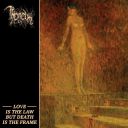
Seedów: 0
Komentarze: 0
Data dodania:
2026-10-25 08:40:24
Rozmiar: 92.50 MB
Peerów: 0
Dodał: Fallen_Angel
Opis
...SIŁA I PIĘKNO MUZYKI TKWIĄ W JEJ RÓŻNORODNOŚCI...
..::OPIS::.. „O kurwa, co tu się właśnie odjebało?!” – taka mniej więcej była moja reakcja gdy usłyszałem zwiastujący niniejszy krążek singiel „The True Story”. A potem wjechała cała płyta i wciągnęła mnie nosem, nawet kubotów nie oszczędzając. Jeśli nie załapaliście – mowa o najnowszym dziele Throneum, czyli „Love is the Law but Death is the Frame”. Dla porządku tylko powiem – dziesiątego albumu Throneum. I zarazem ich najlepszego? Może tak być. Ja zawsze lubiłem i ceniłem twórczość Toma, oczywiście nie sposób żebym posiadał wszystko co wydał, ale kilka(naście?) tytułów na półce dumnie stoi. A dziś słucham „Love is the Law but Death is the Frame” i nie mogę wyjść z podziwu, że to ten sam zespół, który nagrał „Old Death’s Lair” – choć obecnie poza Tomem skład oczywiście się różni. Zresztą Diabolizer i Armagog to utalentowane i oddane podziemiu skurwiesyny, żeby nie było nie domówieni. Dobra, przejdźmy do zawartości muzycznej. Zapewne jeśli ktoś dwadzieścia lat temu powiedziałby mi, że na Throneum znajdziemy damskie wokale, do tego czyste – ja bym nie uwierzył. Nie jestem pewien, czy sam Tomasz nie popukałby się w głowę. Tymczasem pełni on na tej płycie w kilku momentach rolę niepoślednią. Generalnie Throneum już na poprzedniej płycie bardzo mocno zaczął eksperymentować z formą swojego death metalu, na „Oh Death… Oh Death… Determinate, Preach and Lead Us Astray…” zahaczał jednak bardziej o black metalowe klimaty – zaś tutaj mamy do czynienia z czymś… psychodelicznym? Chwilami mam wrażenie, że Electric Wizard zabrało się za granie metalu śmierci (vide: „The Fallen Ones”) – powolny, doomowy wstęp, ciężki jak skurwysyn, z rozmytymi plamami w tle. Nie przypominam sobie, żebym wcześniej słyszał coś takiego na krążku Throneum. W ogóle to jeden z ciekawszych utworów tego hordu w ogóle (a przecież ileż ich powstało!). Fascynujące jest to, że o ile wcześniej Throneum wydawało świetne płyty, generalnie były bardzo jednolite i zamknięte w pewnej, stricte podziemnej death metalowej konwencji. A od jakiegoś czasu słychać, że Tom jest muzykiem i kompozytorem bardzo otwartym – nowy album jest tego dobitnym przykładem. Ten obskurny death metal na „Love is the Law but Death is the Frame” otrzymał jakby drugie życie – na swój groteskowy, wykoślawiony sposób. Gdzieś mi się obiło o uszy „nightmarish death metal” i – o ile tego typu łatki bardzo mnie wkurwiają – tak w przypadku najnowszego album Throneum coś w tym jest. Ta muzyka brzmi jak jakiś popierdolony death metalowy koszmar, ale jest tak skomponowany i zagrany, że absolutnie nie chcę się z niego wybudzić. Każdy z tych numerów jest w istocie death metalem, ale zarazem każdy ma swój własny charakter. A równocześnie ta płyta brzmi spójnie. Brzmi dojrzale. Brzmi paskudnie i podziemnie. Słowo o produkcji – ten krążek ma totalnie dokurwiony sound. To w jaki sposób wyprodukowano ten album – czapki z głów. Z jednej strony to już zdecydowanie inne brzmienie niż taki „Bestial Antihuman Evil”, ale zarazem jest to płyta równie ekstremalna co wcześniejsze nagrania Throneum. Czego chcieć więcej? Jestem pod olbrzymim wrażeniem – zaczynam mocno główkować nad tym, czy „Love is the Law but Death is the Frame” to nie będzie mój ulubiony, najczęściej słuchany death metalowy krążek wypuszczony w tym roku. Pierdolony potwór. Zamówienie do Potężnego Wydawcy już oczywiście poleciało. Oracle W zasadzie to przestałem już czekać na nowy album Throneum. Kiedy bowiem ostatni raz rozmawiałem z Tomkiem, vel Wielkim Egze, mówił, że zespół na razie leży odłogiem. Skoncentrował się w zamian na Giants Dwarfs And Black Holes, tworze o kompletnie innej, zupełnie nieprzemawiającej do mnie stylistyce. Aż tu nagle dnia pewnego, muzykowi trafiło się dłuższe L-4, więc zamiast siedzieć w chałupie bezczynnie, wziął się i pierdolnął materiał na „Love is the Law but Death is the Frame”. Dlaczego wspominam o tych okolicznościach? Bo one bardzo dużo wyjaśniają w kontekście samej płyty. Według mnie jest to najbardziej awangardowy, popieprzony, najmocniej improwizowany materiał jaki ukazał się pod szyldem Throneum. Jakichkolwiek klasycznych struktur utworów tu nie ma. Sytuacja niejednokrotnie zmienia się diametralnie podczas jednego kawałka, i to jeszcze zanim zdążymy się oswoić z poprzednią. I to zmienia się nie tylko pod względem tempa, że z blastu wyhamowujemy do zera. To akurat pikuś. Ale z death metalu wchodzimy w jakieś narkotyczne jazzy, czy inne happeningi, które autentycznie przypominają miejscami uliczne jammowanie grupy muzyków, którzy akurat przypadkowo przynieśli ze sobą swoje instrumenty. Gdzie indziej pojawia się motyw na quazirytualne bębny, za chwilę granie bardziej przypomina ścieżkę do przedstawienia teatralnego, potem przed oczami malowany nam jest kosmos, przemknie jakiś motyw orientalny, no ja pierdolę, co tu się odjaniepawla? I jeszcze panna na przesterowanym wokalu, robiąca wiedźmowy klimat, pojawiająca się tutaj stosunkowo często. Zresztą wokalnie Grand Executor też zdaje się poszerzać skalę, nie wrzeszcząc w jednej tonacji jak w dawnych czasach. Ponadto w jego głosie rysują się tym razem także inne emocje niż tylko gniew i nienawiść. Niesamowitą rolę odgrywa na tych nagraniach bas. To już nie jest jedynie instrument do podbicia tonu. On tutaj wygrywa swoje odrębne pasaże, niejednokrotnie nie mniej ciekawe niż gitara wiodąca. Zaskakuje też Diabolizer, który totalnie poczuł ten mocno odmienny klimat, i gra na tej płycie inaczej niż kiedykolwiek wcześniej. Zapytacie zapewne, czy w takim razie zostało tu jeszcze cokolwiek ze starego Throneum. A i owszem, i to więcej niż można się spodziewać. Pomijając charakterystyczny sposób kostkowania i tworzenia melodii (no niestety, niektórych nawyków się człowiek nie wyzbędzie), tych klasycznych Throneumowych melodii, przewijającego się w tych kompozycjach wkurwu i kontrolowanego chaosu, oraz wystawiony do całej sceny środkowy palec. No i jest ponownie nagrany numer z drugiego demo, ale w wersji dopasowanej do współczesnego oblicza zespołu. Zespołu, który nigdy nie podążał za modą. Oni zawsze robili swoje, czasem na przekór dla samej zasady. Tutaj poszli jeszcze bardziej po bandzie. Powiem wam szczerze, myślę, że „Love is the Law but Death is the Frame” przysporzy chłopakom więcej antagonistów niż nowych fanów. Mi się ta płyta podoba, i to bardzo, choć tak naprawdę to zaczęła odpowiednio żreć dopiero po trzecim odsłuchu. Jest to album, który długo się trawi, ale jak już się przyjmie, to zostaje w głowie na dłużej niż tylko trzy popołudnia. Wracam do słuchania, bo nie mogę się oderwać. jesusatan Bytom, 1996. It is hard to imagine a better time and place to start a band playing music that, for the next several decades, would sound as if it had been recorded two floors underground. And I am not talking only about the obvious association with Silesia, mines, and coal. Bytom has the weight of an old industrial city, monumental tenement buildings standing next to crumbling courtyards, and ground that was drilled through so intensively for decades that in places it eventually started demanding its due. It can be beautiful and fucking ugly at the same time, dignified and run-down. It is hard to imagine a better backdrop for Throneum. This is where Tomasz "The Great Executor" brought Throne to life, a band renamed Throneum a few years later. Musically, Throneum were most interested in the moldiest branch of extreme death metal. Not the surgically precise kind of death metal, but the kind that remembers the days when everything was supposed to be above all evil, heavy, and unhealthy. Autopsy with its rotting riffs, Asphyx with a steamroller crushing your chest, the underground abyss of Incantation, Necrovore sounding like a message intercepted straight from hell. Add some old black metal, a bit of thrash venom, and the belief that if the amplifier is crackling, it does not necessarily need fixing. Over the years, this has resulted in a discography that looks like the product of pathological hoarding: albums, demos, EPs, tapes, seven-inches, and a whole army of splits. Even someone who has been following Throneum for years might wonder whether they have somehow missed something along the way. If the 2018 album The Tight Deathrope Act Over Rubicon was the first, somewhat timid tremor in Bytom's underground old-school death metal mine, then the follow-up Oh Death… Oh Death… Determinate, Preach And Lead Us Astray, released two years later, showed that something strange had happened in this ecosystem that had remained stable for years. It was still Throneum, only apparently after a few psychedelics. Long-form compositions, trance, ambient spaces, doom-laden slowdowns, dissonance, and on 'Delta: Self-Appointed-Grandeur,' even female vocals. The old death metal corpse was still lying in the basement; only apparently it had eaten something and started seeing colors. You could have considered it a one-off trip. Six years later, the album Love Is The Law But Death Is The Frame — officially premiering on October 16, although the material is already available to stream online — shows that it was more likely the first dose. It is also Throneum's second consecutive studio album released by Godz Ov War Productions, and it is hard to imagine a better home for the band's current incarnation: a label uncompromisingly rooted in the extreme underground while remaining open to its twisted and experimental fringes. On the new album, death metal has become just one of the languages Throneum use whenever they feel like it. A fragment that sounds like a band from fifteen years ago can sit next to one in which metal practically ceases to be the main point of reference. Psychedelia, jazz excursions, ritualistic rhythms, and much freer playing push their way into the old riffs without knocking. And there is no sense that the band is deliberately showing off its new toys. They simply throw everything into the same cauldron and see what starts bubbling. And this is where something emerges that has not changed in Throneum one bit: they have always given absolutely no fucks about what people expect from them. Once, that meant playing archaic death/black metal and releasing one split after another for a handful of maniacs. Now it apparently means there is no reason to limit themselves even to the formula they spent decades building. The jazz is therefore smeared in mud, the psychedelia reeks of a basement, and a freer passage can suddenly get smacked in the face by a death metal riff. Throneum let plenty of new things into their music, but they do not allow a single one of them through the door wearing clean shoes. This music mutates more than it "develops." A riff can still nod toward old-school death metal, only to become the starting point for something narcotic a moment later; instead of pushing a song forward, the rhythm starts circling around its own axis, and the guitar does not always feel obliged to produce another riff. Plenty is happening underneath it all, too. The bass does not obediently follow the rest of the band, but runs its own lines, while the drums, apart from the usual pounding, are given room for looser and at times almost ritualistic playing. At times, the whole thing feels like an organism that has grown extra limbs, and nobody has any intention of amputating them just because they are not supposed to be there according to the rules of anatomy. The vocals are another trip altogether. The Great Executor has significantly expanded his arsenal: he modulates his voice, changes its tone and phrasing, and can sound aggressive but also simply deranged. He no longer reduces every part to the same kind of metal rage; his voice deforms along with the music and becomes another tool used to throw the whole thing off balance. There are also plenty of female vocals here. They are not some guest decoration dropped into a couple of passages, but one of the album's defining elements: sometimes melodic, sometimes distorted, haunted, witch-like. A female voice already appeared on "Oh Death…", but here it is no longer a guest briefly allowed into the basement. It has been given its own set of keys. Despite all this madness, there is still no problem recognizing Throneum. Their characteristic riffing, melodies, filth, controlled chaos, and that particular kind of metal arrogance keep the album grounded. It therefore does not sound like a side project accidentally released under the wrong name. The old Throneum has not been replaced by a new one; it simply got a lot more tools and immediately started using them against the instructions. That makes it genuinely difficult to predict where the music will turn next, and trying to organize it or trim away all the protruding elements would be a bit like renovating an old Bytom tenement building and finishing the job by covering the façade with styrofoam insulation. Sure, it would look more even. But what the fuck for? Love Is The Law But Death Is The Frame will probably put off some maniacs who simply want another serving of filthy death/black metal. Anyone who considered "Oh Death…" too much six years ago will have even more reasons to complain here. The thing is, it is hard to imagine a band less interested in such a problem. After thirty years, Throneum are still doing exactly the same thing: making music on their own terms and giving absolutely no fucks about how many people will want to follow them. The only thing that has changed is the answer to the question of what Throneum feel like doing these days. And that answer has become one hell of a difficult thing to predict. Norbert ..::TRACK-LIST::.. 1. In the Garden 05:16 2. The True Story 06:45 3. And Love Ist the Law 05:13 4. The Fallen Ones 08:08 5. Death Is Only the Frame 03:16 6. Eve-Salome-Judith-Rehab 10:12 ..::OBSADA::.. The Great Exegete - Guitars, Bass, Keys, Vocals Diabolizer - Drums Armagog - Bass (Live) https://www.youtube.com/watch?v=CJabOZQ4I3I SEED 15:00-22:00. POLECAM!!! 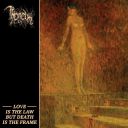
Seedów: 0
Komentarze: 0
Data dodania:
2026-10-25 08:36:46
Rozmiar: 273.00 MB
Peerów: 0
Dodał: Fallen_Angel
Opis
...SIŁA I PIĘKNO MUZYKI TKWIĄ W JEJ RÓŻNORODNOŚCI...
..::OPIS::.. Jeśli wolisz tech death metal z większą dawką inteligencji i nieco mniejszą hiperaktywnością, to jest to dokładnie to, czego szukasz... The universe – A complex clockwork? Are human beings gear-wheels in the mechanism of a fine-adjusted clockwork? Is the universe just the awe-inspiring work of a tactic watchmaker? Technical death metallers Spheron put these questions to the test on their second full-length “A Clockwork Universe” and made another quantum leap compared to their debut “Ecstasy Of God”. Besides the compositional and technical progression the band sticks to the team Christoph Brandes (producer – Necrophagist, Deadborn, Imperium Dekadenz o.a.) and Eliran Kantor (artwork – Testament, Hate Eternal, Atheist o.a.). Both parts seem really inspired by the quintet as they went all out. The sound creates an omnipresent atmosphere while it remains crystal-clear and the cover-artwork carries this vibe to the outside. The result is an ambitious album that leaves the listeners with the question whether they stick with the “Watchmaker analogy” or not! ..::TRACK-LIST::.. 1. Keeper of Time and Space 02:28 2. The Blind Watchmaker 06:57 3. Plains of Hungary 06:20 4. Pendulum 06:25 5. Gargantua 03:41 6. Building a Storm 07:41 7. My Master’s Work 04:28 8. Bound in Empty Jars 10:06 ..::OBSADA::.. Rhythm Guitar – Mark Walther Vocals – Daniel Spoor Lead Guitar – Tobias Alter Drums – Tobias Blach Bass – Matthias Minor https://www.youtube.com/watch?v=q0bEfjBA998 SEED 15:00-22:00. POLECAM!!! 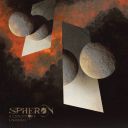
Seedów: 0
Komentarze: 0
Data dodania:
2026-10-22 20:21:51
Rozmiar: 113.00 MB
Peerów: 0
Dodał: Fallen_Angel
Opis
...SIŁA I PIĘKNO MUZYKI TKWIĄ W JEJ RÓŻNORODNOŚCI...
..::OPIS::.. Jeśli wolisz tech death metal z większą dawką inteligencji i nieco mniejszą hiperaktywnością, to jest to dokładnie to, czego szukasz... The universe – A complex clockwork? Are human beings gear-wheels in the mechanism of a fine-adjusted clockwork? Is the universe just the awe-inspiring work of a tactic watchmaker? Technical death metallers Spheron put these questions to the test on their second full-length “A Clockwork Universe” and made another quantum leap compared to their debut “Ecstasy Of God”. Besides the compositional and technical progression the band sticks to the team Christoph Brandes (producer – Necrophagist, Deadborn, Imperium Dekadenz o.a.) and Eliran Kantor (artwork – Testament, Hate Eternal, Atheist o.a.). Both parts seem really inspired by the quintet as they went all out. The sound creates an omnipresent atmosphere while it remains crystal-clear and the cover-artwork carries this vibe to the outside. The result is an ambitious album that leaves the listeners with the question whether they stick with the “Watchmaker analogy” or not! ..::TRACK-LIST::.. 1. Keeper of Time and Space 02:28 2. The Blind Watchmaker 06:57 3. Plains of Hungary 06:20 4. Pendulum 06:25 5. Gargantua 03:41 6. Building a Storm 07:41 7. My Master’s Work 04:28 8. Bound in Empty Jars 10:06 ..::OBSADA::.. Rhythm Guitar – Mark Walther Vocals – Daniel Spoor Lead Guitar – Tobias Alter Drums – Tobias Blach Bass – Matthias Minor https://www.youtube.com/watch?v=q0bEfjBA998 SEED 15:00-22:00. POLECAM!!! 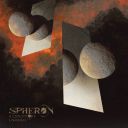
Seedów: 0
Komentarze: 0
Data dodania:
2026-10-22 20:18:59
Rozmiar: 372.50 MB
Peerów: 0
Dodał: Fallen_Angel
Opis
...SIŁA I PIĘKNO MUZYKI TKWIĄ W JEJ RÓŻNORODNOŚCI...
..::OPIS::.. Wznowienie debiutanckiej płyty OBTRUNCATION nagranej w 1995 roku w Beaufort Studio z Hanem Swagermanem (THE GATHERING, SEAR BLISS, PHLEBOTOMIZED). Potężny i ciężki holenderski death metal! The Obtruncation debut album ‘The Callous Concept’ re-issue is fully remastered by Tom Palms from Phlebotomized. The debut album was recorded at Beaufort Studio with Han Swagerman (The Gathering, Sear Bliss, Phlebotomized) in 1995. The booklet contains extensive liner notes / intie conducted by Pim Blankenstein (Officium Triste, Extreme Cold Winter) and many rare pics. Bonus to the album are two live bonus tracks. ..::TRACK-LIST::.. 1. Parish of Perdition 04:00 2. Mutual Hatred 04:02 3. Gruesome Assembly 03:51 4. Sanctum's Disruption 04:31 5. Bedraggled Scheme 04:37 6. Things That Were and Shall Be Again 03:35 7. Aroused By The Deceased 03:38 8. Sphere Of The Rotting 04:27 9. Repudiated Angel 03:32 10. Church Of Delusion 04:17 11. Pernicious Saviour 04:55 12. Witch From Akyrz 02:29 Bonus Tracks: 13. Pernicious Saviour (Live 1994) 05:25 14. Sphere Of The Rotting (Live 1994) 04:56 ..::OBSADA::.. Rhythm Guitar – Frank Dronkers Rhythm Guitar, Lead Guitar – Luc Van Ravels Vocals – Lawrence Payne Bass – Frank (tracks: 5, 10) Bass [Session Bass] – Roeland Boot (tracks: 1-4, 6-9, 11,12) Drums – Martin Steigenga https://www.youtube.com/watch?v=3Wp33JJ5w2E SEED 15:00-22:00. POLECAM!!! 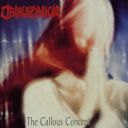
Seedów: 0
Komentarze: 0
Data dodania:
2026-10-09 19:47:41
Rozmiar: 140.00 MB
Peerów: 0
Dodał: Fallen_Angel
Opis
...SIŁA I PIĘKNO MUZYKI TKWIĄ W JEJ RÓŻNORODNOŚCI...
..::OPIS::.. Wznowienie debiutanckiej płyty OBTRUNCATION nagranej w 1995 roku w Beaufort Studio z Hanem Swagermanem (THE GATHERING, SEAR BLISS, PHLEBOTOMIZED). Potężny i ciężki holenderski death metal! The Obtruncation debut album ‘The Callous Concept’ re-issue is fully remastered by Tom Palms from Phlebotomized. The debut album was recorded at Beaufort Studio with Han Swagerman (The Gathering, Sear Bliss, Phlebotomized) in 1995. The booklet contains extensive liner notes / intie conducted by Pim Blankenstein (Officium Triste, Extreme Cold Winter) and many rare pics. Bonus to the album are two live bonus tracks. ..::TRACK-LIST::.. 1. Parish of Perdition 04:00 2. Mutual Hatred 04:02 3. Gruesome Assembly 03:51 4. Sanctum's Disruption 04:31 5. Bedraggled Scheme 04:37 6. Things That Were and Shall Be Again 03:35 7. Aroused By The Deceased 03:38 8. Sphere Of The Rotting 04:27 9. Repudiated Angel 03:32 10. Church Of Delusion 04:17 11. Pernicious Saviour 04:55 12. Witch From Akyrz 02:29 Bonus Tracks: 13. Pernicious Saviour (Live 1994) 05:25 14. Sphere Of The Rotting (Live 1994) 04:56 ..::OBSADA::.. Rhythm Guitar – Frank Dronkers Rhythm Guitar, Lead Guitar – Luc Van Ravels Vocals – Lawrence Payne Bass – Frank (tracks: 5, 10) Bass [Session Bass] – Roeland Boot (tracks: 1-4, 6-9, 11,12) Drums – Martin Steigenga https://www.youtube.com/watch?v=3Wp33JJ5w2E SEED 15:00-22:00. POLECAM!!! 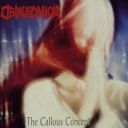
Seedów: 0
Komentarze: 0
Data dodania:
2026-10-09 19:44:31
Rozmiar: 440.00 MB
Peerów: 0
Dodał: Fallen_Angel
Opis
...SIŁA I PIĘKNO MUZYKI TKWIĄ W JEJ RÓŻNORODNOŚCI...
..::OPIS::.. Muszę się Wam przyznać, że chwilę mi zeszło, zanim debiut Oraculum zaskoczył – nie od razu bowiem z „Hybris Divina” skoczyliśmy sobie w ramiona. Mimo, żem przecież Oracle i byłoby to logiczne, prawda? Dobra, jebać ksywkę, którą se wymyśliłem na szybko prawie dwie dekady temu – zajmijmy się rzeczami poważnymi, czyli muzyką. Bo ja do muzyki podchodzę bardzo serio i odnoszę wrażenie, że osoby stojące za tym tworem również. Część z nich jest zresztą znana ze świetnego Wrathprayer, więc możecie już podejrzewać, że to nie są pierwsi lepsi muzykanci, którzy nagle odkryli w sobie miłość do death metalu. Bo „Hybris Divina” to przede wszystkim właśnie metal śmierci, ale nie stroniący też od innych gatunków, głównie mam tu na myśli black metal. Czy black/death metal. Bo pomimo, że całość zaczyna się powolnym intro w stylu numeru zamykającego Czwartą Krucjatę Bolt Thrower, to bardzo szybko przechodzi w inspirowany poniekąd twórczością Bolzer „The Great One”. Oczywiście jak każdy szanujący się death metalowy band nie mogą być pod wpływem takich bandów jak bardzo wczesny Morbid Angel czy Asphyx lub wspomniani już Brytyjczycy. A chwilami Grotesque albo Possessed… Przy czym u Oraculum cały czas poza wzorowaniem się na innych bandach przebija się pierwiastek prawdziwego szaleństwa, choć z początku nie jest on taki oczywisty i łatwo uchwytny. Tak, moim zdaniem „Hybris Divina” wymaga od słuchacza sporej uwagi. Dużo dobrego tutaj się dzieje – ta płyta jest bardzo riffowa, natomiast poza nimi na pewno nie umkną waszej uwadze obłąkane wokale, cholernie silny punkt tej płyty. No i kunszt kompozytorski, bo Oraculum kreuje na debiucie specyficzną, z jednej strony dziką, z drugiej – niepokojącą atmosferę. I jeszcze jedno przychodzi mi do głowy – cały krążek trwa czterdzieści minut, co już samo w sobie jest niezłym timingiem jak na mój gust, natomiast słucha się go jeszcze bardziej płynnie, niczym EPkę. Autentycznie kilkukrotnie się zdziwiłem, że materiał tyle co się zaczął, a tu znów wjeżdża wspomniane otwarcie w postaci „A Monument to Fallen Virtues”. Choć podkreślam, że jest to krążek nie najłatwiejszy, jeśli mówimy o death metalu. Podejrzewam, że będą osoby które się od niego odbiją. Ja dałem „Hybris Divina” czas i nie żałuję – polubiłem się z tym krążkiem. Zdecydowanie poświęćcie mu więcej niż trzy – cztery przesłuchania, jest tego wart. Oracle Oraculum pochodzą z Chile. Możliwe, iż część z was ich pamięta, bowiem zespół wydał już pod banderą Invictus Productions dwie EP-ki, a było to circa dziesięć lat temu. Na nagraniu debiutanckiego pełniaka trochę zatem chłopakom zeszło, ale wiadomo, że na dobre rzeczy warto czekać. A „Hybris Divina” na pewno się do takiej kategorii zalicza. To czterdzieści minut, z haczykiem, staroszkolnego death metalu. Tym razem bardziej europejskiego, niż typowego dla Ameryki Południowej. Nie rozpływając się zbytnio, można od razu rzucić kilkoma nazwami, choćby Morgoth, Asphyx, Sadistic Intent czy Repugnant. To oczywiście orientacyjne drogowskazy, bowiem gdyby zabawić się w analityka, tych strzałeczek byłoby zdecydowanie więcej. Grunt, że jest to granie zdecydowanie w klimacie lat dziewięćdziesiątych, bez zbędnych udziwnień, czy szukania w death metalu tego, czego zawierać nie powinien. „Hybris Divina” to album oparty na ciężkim riffowaniu. Ciężkim, w tym konkretnym przypadku wcale nie oznacza szybkim, choć Chilijczykom kilka znacznych przyspieszeń też się po drodze trafia. Większość materiału to walce o średnim tempie, często wyhamowujące na zakrętach. Oraculum przypomina machinę bojową, która naciera przed siebie, niszcząc przeszkody bardziej za sprawą masy, niż technicznego kombinowania. Nie brak tutaj masywnych harmonii, będących kwintesencją stylu, ale i melodii. Ta, wpleciona została w całość bardzo nienachalnie, z odpowiednim wyważeniem, tak, by muzyka Oraculum nie straciła na tym ani grama ze swojego ciężaru. Podobnie zresztą jak partie solowe, pojawiające się dokładnie tam, gdzie pojawić się powinny. Całość brzmi wyśmienicie, dzięki czemu odór grobu i palonego prochu unosi się nad tymi nagraniami niczym mgła nad bagnem o poranku. Panowie z Chile doskonale znają klasykę, i doskonale potrafią ją kultywować. Jeśli szukacie w muzyce czegoś nowego, to możecie sobie te piosenki z czystym sumieniem odpuścić. Jeśli w waszych sercach nadal płonie ogień rozpalony trzydzieści pięć lat temu, sięgajcie po nie bez wahania. „Hybris Divina” to kolejna wartościowa czaszka dorzucona do ogromnego kopca o nazwie Staroszkolny Death Metal. Polecam. jesusatan Dark, imposing death metal reaches for a sharp juxtaposition between the superhuman and the horrendously surreal. The bludgeoning simplicity of early Bolt Thrower, siren wailing, toneless guitar leads and all, is elevated to a place of epical grimness via a sharp melodic flair that, although hardly complex or original, is delivered with a conviction and intention that marks this release out from garden variety cavernous death metal. The production is strikingly bottom heavy, placing an enormous weight on the listener’s shoulders. Drums are submersed at the low end, the rhythmic pulses and the occasional disruptive fill being felt rather than perceived. Their guiding influence over the album is ever present but peripheral, an invisible hand manipulating the flow of each piece. The bass ridden guitar tone dominates the mix, filling out the sound with an enormous, dirge ridden soundscape of militaristic power, a mystically distant hostility as opposed to an all too human visceral aggression. Reverb drenched guitar leads offset all this low end with striking statements of power that earn their austere packaging within scant note handfuls through their dominance over the music, and the striking contrast they form with the throbbing riffs beneath. Vocals are a strained, half-clean hardcore derived bark. A technique that is becoming increasingly common (a sign of distortion fatigue?), but here they work in the music’s favour as if to emphasise an interplay between human endeavour and divine indifference. Despite moments of raucous speed, Oraculum are strikingly tentative in how they pace these tracks out, making the flow torturous rather than chaotic. The blitzkrieg of buzzing guitar noise is forever frustrated in its momentum by the relentless patience of the drums as they frequently pull back to a more ponderous marching tempo or else purposeful doom segments. Each central theme is simple yet characterful, weaving a thread between amoral power, gothic splendour, and a more sadistic intention signposted by choppier accents and licks. Worked through this is an undeniably sorrowful poise which works as commentary on the central, macro level violence of each piece. The more deliberate pacing allows Oraculum to build purpose into each crescendo, creating a clear centrepiece to each track that is slowly worked up to, and feels more rewarding as a result. A moment of climax reached, the music is then released from its chains and allowed to cascade out in tumultuous bursts of relentless, muscular death metal. A pre-1990 vintage granted more power and significance thanks to the modern, but undeniably characterful mix, alongside Oraculum’s clear penchant for creating a sense of occasion, reaching back to the epics of antiquity to convey a sense of unknowable mysticism. we hope you die ..::TRACK-LIST::.. 1. A Monument to Fallen Virtues 01:29 2. The Great One 05:44 3. Mendacious Heroism 06:13 4. Carnage 05:44 5. Dolos 06:51 6. The Heritage of Our Brotherhood 02:15 7. Spiritual Virility 05:19 8. Posthumous Exultation 07:42 ..::OBSADA::.. Scourge of God - Guitars, Vocals Gaius Coronatus - Guitars Magnified Wrath - Bass Conqueror of Fear - Drums https://www.youtube.com/watch?v=AD3MlyZPaH8 SEED 15:00-22:00. POLECAM!!! 
Seedów: 0
Komentarze: 0
Data dodania:
2026-10-07 13:39:54
Rozmiar: 98.88 MB
Peerów: 0
Dodał: Fallen_Angel
Opis
...SIŁA I PIĘKNO MUZYKI TKWIĄ W JEJ RÓŻNORODNOŚCI...
..::OPIS::.. Muszę się Wam przyznać, że chwilę mi zeszło, zanim debiut Oraculum zaskoczył – nie od razu bowiem z „Hybris Divina” skoczyliśmy sobie w ramiona. Mimo, żem przecież Oracle i byłoby to logiczne, prawda? Dobra, jebać ksywkę, którą se wymyśliłem na szybko prawie dwie dekady temu – zajmijmy się rzeczami poważnymi, czyli muzyką. Bo ja do muzyki podchodzę bardzo serio i odnoszę wrażenie, że osoby stojące za tym tworem również. Część z nich jest zresztą znana ze świetnego Wrathprayer, więc możecie już podejrzewać, że to nie są pierwsi lepsi muzykanci, którzy nagle odkryli w sobie miłość do death metalu. Bo „Hybris Divina” to przede wszystkim właśnie metal śmierci, ale nie stroniący też od innych gatunków, głównie mam tu na myśli black metal. Czy black/death metal. Bo pomimo, że całość zaczyna się powolnym intro w stylu numeru zamykającego Czwartą Krucjatę Bolt Thrower, to bardzo szybko przechodzi w inspirowany poniekąd twórczością Bolzer „The Great One”. Oczywiście jak każdy szanujący się death metalowy band nie mogą być pod wpływem takich bandów jak bardzo wczesny Morbid Angel czy Asphyx lub wspomniani już Brytyjczycy. A chwilami Grotesque albo Possessed… Przy czym u Oraculum cały czas poza wzorowaniem się na innych bandach przebija się pierwiastek prawdziwego szaleństwa, choć z początku nie jest on taki oczywisty i łatwo uchwytny. Tak, moim zdaniem „Hybris Divina” wymaga od słuchacza sporej uwagi. Dużo dobrego tutaj się dzieje – ta płyta jest bardzo riffowa, natomiast poza nimi na pewno nie umkną waszej uwadze obłąkane wokale, cholernie silny punkt tej płyty. No i kunszt kompozytorski, bo Oraculum kreuje na debiucie specyficzną, z jednej strony dziką, z drugiej – niepokojącą atmosferę. I jeszcze jedno przychodzi mi do głowy – cały krążek trwa czterdzieści minut, co już samo w sobie jest niezłym timingiem jak na mój gust, natomiast słucha się go jeszcze bardziej płynnie, niczym EPkę. Autentycznie kilkukrotnie się zdziwiłem, że materiał tyle co się zaczął, a tu znów wjeżdża wspomniane otwarcie w postaci „A Monument to Fallen Virtues”. Choć podkreślam, że jest to krążek nie najłatwiejszy, jeśli mówimy o death metalu. Podejrzewam, że będą osoby które się od niego odbiją. Ja dałem „Hybris Divina” czas i nie żałuję – polubiłem się z tym krążkiem. Zdecydowanie poświęćcie mu więcej niż trzy – cztery przesłuchania, jest tego wart. Oracle Oraculum pochodzą z Chile. Możliwe, iż część z was ich pamięta, bowiem zespół wydał już pod banderą Invictus Productions dwie EP-ki, a było to circa dziesięć lat temu. Na nagraniu debiutanckiego pełniaka trochę zatem chłopakom zeszło, ale wiadomo, że na dobre rzeczy warto czekać. A „Hybris Divina” na pewno się do takiej kategorii zalicza. To czterdzieści minut, z haczykiem, staroszkolnego death metalu. Tym razem bardziej europejskiego, niż typowego dla Ameryki Południowej. Nie rozpływając się zbytnio, można od razu rzucić kilkoma nazwami, choćby Morgoth, Asphyx, Sadistic Intent czy Repugnant. To oczywiście orientacyjne drogowskazy, bowiem gdyby zabawić się w analityka, tych strzałeczek byłoby zdecydowanie więcej. Grunt, że jest to granie zdecydowanie w klimacie lat dziewięćdziesiątych, bez zbędnych udziwnień, czy szukania w death metalu tego, czego zawierać nie powinien. „Hybris Divina” to album oparty na ciężkim riffowaniu. Ciężkim, w tym konkretnym przypadku wcale nie oznacza szybkim, choć Chilijczykom kilka znacznych przyspieszeń też się po drodze trafia. Większość materiału to walce o średnim tempie, często wyhamowujące na zakrętach. Oraculum przypomina machinę bojową, która naciera przed siebie, niszcząc przeszkody bardziej za sprawą masy, niż technicznego kombinowania. Nie brak tutaj masywnych harmonii, będących kwintesencją stylu, ale i melodii. Ta, wpleciona została w całość bardzo nienachalnie, z odpowiednim wyważeniem, tak, by muzyka Oraculum nie straciła na tym ani grama ze swojego ciężaru. Podobnie zresztą jak partie solowe, pojawiające się dokładnie tam, gdzie pojawić się powinny. Całość brzmi wyśmienicie, dzięki czemu odór grobu i palonego prochu unosi się nad tymi nagraniami niczym mgła nad bagnem o poranku. Panowie z Chile doskonale znają klasykę, i doskonale potrafią ją kultywować. Jeśli szukacie w muzyce czegoś nowego, to możecie sobie te piosenki z czystym sumieniem odpuścić. Jeśli w waszych sercach nadal płonie ogień rozpalony trzydzieści pięć lat temu, sięgajcie po nie bez wahania. „Hybris Divina” to kolejna wartościowa czaszka dorzucona do ogromnego kopca o nazwie Staroszkolny Death Metal. Polecam. jesusatan Dark, imposing death metal reaches for a sharp juxtaposition between the superhuman and the horrendously surreal. The bludgeoning simplicity of early Bolt Thrower, siren wailing, toneless guitar leads and all, is elevated to a place of epical grimness via a sharp melodic flair that, although hardly complex or original, is delivered with a conviction and intention that marks this release out from garden variety cavernous death metal. The production is strikingly bottom heavy, placing an enormous weight on the listener’s shoulders. Drums are submersed at the low end, the rhythmic pulses and the occasional disruptive fill being felt rather than perceived. Their guiding influence over the album is ever present but peripheral, an invisible hand manipulating the flow of each piece. The bass ridden guitar tone dominates the mix, filling out the sound with an enormous, dirge ridden soundscape of militaristic power, a mystically distant hostility as opposed to an all too human visceral aggression. Reverb drenched guitar leads offset all this low end with striking statements of power that earn their austere packaging within scant note handfuls through their dominance over the music, and the striking contrast they form with the throbbing riffs beneath. Vocals are a strained, half-clean hardcore derived bark. A technique that is becoming increasingly common (a sign of distortion fatigue?), but here they work in the music’s favour as if to emphasise an interplay between human endeavour and divine indifference. Despite moments of raucous speed, Oraculum are strikingly tentative in how they pace these tracks out, making the flow torturous rather than chaotic. The blitzkrieg of buzzing guitar noise is forever frustrated in its momentum by the relentless patience of the drums as they frequently pull back to a more ponderous marching tempo or else purposeful doom segments. Each central theme is simple yet characterful, weaving a thread between amoral power, gothic splendour, and a more sadistic intention signposted by choppier accents and licks. Worked through this is an undeniably sorrowful poise which works as commentary on the central, macro level violence of each piece. The more deliberate pacing allows Oraculum to build purpose into each crescendo, creating a clear centrepiece to each track that is slowly worked up to, and feels more rewarding as a result. A moment of climax reached, the music is then released from its chains and allowed to cascade out in tumultuous bursts of relentless, muscular death metal. A pre-1990 vintage granted more power and significance thanks to the modern, but undeniably characterful mix, alongside Oraculum’s clear penchant for creating a sense of occasion, reaching back to the epics of antiquity to convey a sense of unknowable mysticism. we hope you die ..::TRACK-LIST::.. 1. A Monument to Fallen Virtues 01:29 2. The Great One 05:44 3. Mendacious Heroism 06:13 4. Carnage 05:44 5. Dolos 06:51 6. The Heritage of Our Brotherhood 02:15 7. Spiritual Virility 05:19 8. Posthumous Exultation 07:42 ..::OBSADA::.. Scourge of God - Guitars, Vocals Gaius Coronatus - Guitars Magnified Wrath - Bass Conqueror of Fear - Drums https://www.youtube.com/watch?v=AD3MlyZPaH8 SEED 15:00-22:00. POLECAM!!! 
Seedów: 0
Komentarze: 0
Data dodania:
2026-10-07 13:36:20
Rozmiar: 299.75 MB
Peerów: 0
Dodał: Fallen_Angel
Opis
...SIŁA I PIĘKNO MUZYKI TKWIĄ W JEJ RÓŻNORODNOŚCI...
..::OPIS::.. Z pewnością jest to jeden z najbardziej profesjonalnych debiutów jakie dane mi było słyszeć w ciągu ostatnich dekad... Already with their 2010 self-released EP “To Dissect Paper” the young band from Ludwigshafen has not only ensured nationally for open ears and mouths. With their debut “Ecstasy Of God” Spheron show now 3 years later how technical death metal is presented impressively without letting miss the necessary atmosphere. This challenging and absorbing album was produced together with Christoph Brandes at the Iguana Studios (e.g. Necrophagist, Deadborn, Imperium Dekadenz …). The breathtaking cover artwork was painted by the famous artist Eliran Kantor who has already worked with bands like Testament, Hatebreed, Sodom and Atheist. “For me ‘Ecstasy of God’ is one of the tech-Death Highlights in 2013! SPHERON are one of the most promising newcomer of the German death metal scene!“ - Steffen Kummerer, Obscura / Thulcandra ..::TRACK-LIST::.. 1. A Means To An End 01:59 2. The Beheaded Coachman 04:22 3. Prestige Of The Mortals 03:16 4. Saturnian Satellites 04:06 5. Clasp The Thorns 06:38 6. Prelude To The Misery 01:36 7. Five Degrees 03:15 8. Pulse Of Instinct 07:43 9. Tragedy Of The Clerics 05:12 10. Choking On Incense 06:01 11. Anthropogenic 01:24 12. From Glint To Crackling 07:17 ..::OBSADA::.. Rhythm Guitar - Mark Walther Vocals - Daniel Spoor Lead Guitar - Tobias Alter Drums - Tobias Blach Bass, Lyrics By - Matthias Minor https://www.youtube.com/watch?v=jgFI2h9HK3k SEED 15:00-22:00. POLECAM!!! 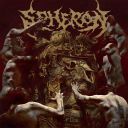
Seedów: 0
Komentarze: 0
Data dodania:
2026-10-05 17:27:59
Rozmiar: 128.88 MB
Peerów: 0
Dodał: Fallen_Angel
Opis
...SIŁA I PIĘKNO MUZYKI TKWIĄ W JEJ RÓŻNORODNOŚCI...
..::OPIS::.. Z pewnością jest to jeden z najbardziej profesjonalnych debiutów jakie dane mi było słyszeć w ciągu ostatnich dekad... Already with their 2010 self-released EP “To Dissect Paper” the young band from Ludwigshafen has not only ensured nationally for open ears and mouths. With their debut “Ecstasy Of God” Spheron show now 3 years later how technical death metal is presented impressively without letting miss the necessary atmosphere. This challenging and absorbing album was produced together with Christoph Brandes at the Iguana Studios (e.g. Necrophagist, Deadborn, Imperium Dekadenz …). The breathtaking cover artwork was painted by the famous artist Eliran Kantor who has already worked with bands like Testament, Hatebreed, Sodom and Atheist. “For me ‘Ecstasy of God’ is one of the tech-Death Highlights in 2013! SPHERON are one of the most promising newcomer of the German death metal scene!“ - Steffen Kummerer, Obscura / Thulcandra ..::TRACK-LIST::.. 1. A Means To An End 01:59 2. The Beheaded Coachman 04:22 3. Prestige Of The Mortals 03:16 4. Saturnian Satellites 04:06 5. Clasp The Thorns 06:38 6. Prelude To The Misery 01:36 7. Five Degrees 03:15 8. Pulse Of Instinct 07:43 9. Tragedy Of The Clerics 05:12 10. Choking On Incense 06:01 11. Anthropogenic 01:24 12. From Glint To Crackling 07:17 ..::OBSADA::.. Rhythm Guitar - Mark Walther Vocals - Daniel Spoor Lead Guitar - Tobias Alter Drums - Tobias Blach Bass, Lyrics By - Matthias Minor https://www.youtube.com/watch?v=jgFI2h9HK3k SEED 15:00-22:00. POLECAM!!! 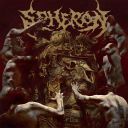
Seedów: 0
Komentarze: 0
Data dodania:
2026-10-05 17:25:00
Rozmiar: 431.50 MB
Peerów: 0
Dodał: Fallen_Angel
Opis
...SIŁA I PIĘKNO MUZYKI TKWIĄ W JEJ RÓŻNORODNOŚCI...
..::OPIS::.. Jestem pod naprawdę wielkim wrażeniem tego albumu i z pewnością to jedna z najlepszych płyt tego roku. Po długim okresie oczekiwania QRIXKUOR w końcu wydał debiutanckiego pełniaka i naprawdę warto było czekać. Warto było bo "Poison Palinopsia" to album trącący geniuszem. Bo tylko geniusz potrafi na pozór chaotyczne dźwięki poskładać w swego rodzaju smolistą death symfonię... QRIXKUOR to obecnie załoga pochodząca z całkowicie różnych części naszej planety a mianowicie z Anglii i Nowej Zelandii. Formalnie zespół istnieje już prawie 10 lat, pierwsze demo wyrzucili w 2014 i dopiero teraz udało się z LP. Będący głównym sprawcą tego projektu, gitarzysta i wokalista ukrywający się za literką S. to osoba wykształcona muzycznie. Wszelkie znajdujące się na albumie fragmenty z wykorzystaniem klasycznych instrumentów są jego autorstwa i nagrane przez profesjonalnych muzyków. I jest to świetne wytchnienie i kontrast dla tego co się na tym albumie dzieje. A dzieje się naprawdę sporo, pomimo, iż na album składają się tylko dwa utwory trwające prawie 50 minut. Nudy nie ma choćby przez chwilę. To muza złożona i intensywna. To wręcz kopalnia prawdziwe infernalnych riffów podanych w dusznej atmosferze. Album wymaga jednak od nas uważnego słuchania ale odwdzięczy się nam przeniesieniem do innego wymiaru, pozwoli nam dotknąć prawdziwego mroku i otchłani. Brudne, bluźniercze wokale dodają całości jeszcze więcej złowrogiego klimatu. Perkusja brzmi potężnie i absolutnie na najwyższym poziomie. Nie podlega dyskusji. Muzyczna wizja Qrixkuor jest chora. Momentami wręcz psychodeliczna, ale również głęboka i przenikliwa. Jednocześnie odrzucająca i przyciągająca. Uważaj bo jak nie zdołasz uciec to świat Qrixkuor pochłonie cię na zawsze... Genialny album... RG Qrixkuor, mimo iż zespół młody, zdążył już sobie zaskarbić garstkę fanów w specyficznym gronie odbiorców. Takich, którym wystarczy posypać uszy gruzem i są szczęśliwy jak świnia w gnoju. Maniaków nie uznających łatwych melodii, o ile w ogóle, nie padających na kolana przed technicznymi popisami, brzydzących się wypolerowanym brzmieniem a wśród znajomych uchodzących za pozerów, którzy szukają w monotonnym dudnieniu czegoś, czego tam ponoć nie ma. Właśnie dla tych kilku odmieńców mam bardzo dobrą wiadomość. Oto po kilku pomniejszych wydawnictwach brytyjsko-nowozelandzkie komando uderza w końcu pełnym materiałem. Co prawda zawiera on jedynie dwa utwory, lecz każdy z nich trwający circa dwadzieścia pięć minut. Dla mnie to jeden chuj, bo tego typu albumy i tak zawsze traktuję jako całość, więc czy są one dzielone na dwa czy na dwadzieścia części nie robi mi żadnej różnicy. Bo faktycznie, "Poison Palinopsia" jest monolitem, którego nie da się słuchać fragmentarycznie czy jednym uchem. To kolos, prawdziwy potwór, opowiadający swoją historię zdanie po zdaniu, a każde jego słowo ocieka płonącą smołą i trującym umysł jadem. Opowieść ta toczy się powoli z chwilowymi jedynie zrywami akcji. Dźwięki przelewają się niczym rozgrzana lawa, hipnotyzując i budując wokół przerażającą aurę. W niektórych miejscach pojawiają się nieco bardziej melodyjne, black metalowe patenty czy zeschizowane dysonanse przeplatane erupcjami wściekłości. Schowany w tle, charczący demonicznie wokal pełni z kolei jakby rolę dodatkowego instrumentu. Mimo że brzmienie jest tu standardowo zamulone, nie da się narzekać na jego czytelność a wszelkie niuanse są doskonale uwypuklone. Muzyka Qrixkuor nie wyrywa się z ram gatunku, a mimo to jest, zaskakująco wręcz chwilami, bogata i urozmaicona. Jednocześnie nie jest to krążek łatwy i wiele fragmentów zaczyna gadać dopiero po kilku, a nawet kilkunastu odsłuchach. "Poison Palinopsia" jest materiałem niemodnym, wymagającym i przeznaczonym dla cierpliwych. Dla mnie to ekstraklasa gruzowego grania i pozycja obowiązkowa do zakupu. jesusatan The recrudescent scourge of Qrixkuor returns to unleash its debut full-length album, entitled ‘Poison Palinopsia,’ to be released on Friday July 9th in conspiracy with Invictus Productions in Europe and Dark Descent Records in the United States. Following 2016’s enigmatic ‘Three Devils Dance’ MLP, ‘Poison Palinopsia’ is a sordid wound in reality’s distorted veil that spent 5 restless years aching for a blade to grant it life - the hour has finally come. Recorded, mixed and mastered by Greg Chandler at Priory Recording Studios in Birmingham, England and with cover art contributed once again by the inimitable Daniel Corcuera, the album is a furious and fanatically channelled tempest of feral energy, synonymous in its nightmarish aural attack that seeks to chisel avenues to black inner worlds - a truly fitting soundscape for man’s current state of despondent dissonance. A 48 minute, 2 part labyrinthine descent into the demented depths of the divine, ‘Poison Palinopsia’ is less a listening experience and more a voyage - a summoning to scale the treacherous terrains of merciless mountains of madness. The images remain with the light long slain… Two tracks sitting in at almost 49 minutes... And it's not a Doom Metal release?! Talk about ambitious stuff here! This is a genuine Death Metal release by the band Qrixkuor full of speed, blast beats, and furious energies, as well as doomy bits thrown in for good measure. With that being the case, the two tracks element here is quite fascinating. Let us dig into what this record is all about. Poison Palinopsia begins with an orchestral soundscape dominated by the sounds of a damning pulse of the timpani surrounded by faint and rumbling low brass playing. The band enters seamlessly as it meets an end in a way that made such a contrasting instrumentation not so contrasting after all. This is due to a unique quality which fascinated me throughout the whole release, which is that instrumentally it feels as if everything the band accomplishes on this record is somehow connected to the orchestral segment. But it goes beyond that. Throughout these two lengthy tracks, there are short moments of the orchestra making additional entries. The music from the orchestra and the band always matches energies. This gives the album a higher replay value as listeners who stay for the details may begin to start connecting these two elements in the album. As far as the band's playing, it is varied and busy, sometimes deceptively. The levels of sound and chaos on this album are sometimes less obvious until you really focus on each instrument. At the moment the band starts after the first orchestral segment they hold a Doom-metal pace for a few minutes full of tremolo picking and dense textures. It is cavernous, although not to the same extent as say, Cerebral Rot's latest album. The first track suddenly bursts into high gear at around 5:31, and the blasting energy and furious riffing could not be more exciting in the way it fits here. Over time, the pace changes frequently throughout these two tracks, displaying both high speed and Doom-paced sides of the band with high quality. The many guitar solos are always a highlight of the album, especially near the end of the first track, "Serpentine Susurrus- Mother's Abomination." With two tracks, it's hard to just name favorite songs. Rather, it is quite like listening to and analyzing a symphony by one of the great symphony writers in that it is more likely to have favorite moments within each song. My favorite moment may be on the second track, "Recrudescent Malevolence- Mother's Illumination," at the 16:06 mark. It is a short-lived moment with a harmonically simple and familiar structure of descending harmonies with very flavorful lead guitar action. The fact that it is short-lived leaves me wanting more, but at the same time gives me more incentive to replay a section or even the whole track again. Another moment I really enjoyed which was quite clever was the orchestral interjection that happens in the first track at 12:41. This orchestral segment features violins on top of the timpani and horns, playing a maniacal burst of notes that almost sounds like a crowd of laughter of evil intentions. The way the band works around these orchestral bits is always mirrored in energy and musical energies, making it always a welcomed feature. As for me, I always have high expectations when I see the label Dark Descent Records in connection to a release. If you like extreme metal, there is a ton of value in their catalogue and it should be explored. This record may break some people with its individual track run times, but those who enjoy an album-listening experience like myself will get a lot out of this release. Interestingly, both tracks happen to be 24 minutes long, with only 20 seconds of difference in timing. I wonder if that was intentional or accidental. I would imagine it was planned that way, as it would be quite the coincidence when dealing with songs of these lengths. For an incredibly well thought out album of Death Metal that shifts between multiple gears and is full of tricks and hidden goodies to be revealed over multiple listens, look no further than Qrixkuor's Poison Palinopsia Micah.Ram Obscure blackened death metal trio Qrixkuor return from the abyss with their debut album. Set for release on August 13th via Dark Descent Records and Invictus Productions. The introduction of this album is daunting to say the last with a mixture of bombastic and unsettling tones to concoct a potent feeling of dread. The way in which crashing cymbals subtly come in under lurking guitar riffs with demonic vocals is no less disturbing, opening a passage of convulsive and unwelcoming death metal that descends upon us with vitriol and profoundly otherworldly atmospherics. The word cavernous has become ubiquitous with a lot of death metal in recent years but here it could not be more appropriate with the fashion in which the riffs drip upon the drums in truly eerie splendour and a voice of inhuman snarls meets the instruments to complement rather than detract from the dastardly ambience. Portals open as dreary passages take the charnel soundscapes further into another realm, contorting with mystical musicianship that is truly wonderful to behold. Now, to discuss the vessel in which this music is carried. Monolithic production values of utmost power hold this release with a ferociously united sound that is piercing when it needs to be then unleashes a weighty blow of darkness. This is obviously not going to be an easy listen, but a warped abyss of blackened death metal malice to altar the psyche. Dynamic would be an understatement, here we can see a lurching doom progress with organic transitions into a full on rampage of blast beats and tremolo riffing madness only to descent into hammering onslaughts before returning to contemplative psychedelia. Swirling guitars and bass continually play off of each other to give a spasming effect while in unison give us a meditative ambience with the ritualistic drum work pummelling throughout while not becoming stale as we see powerful hits break the mould for the obliterating strings to seep through. Vocally the album invokes the best of black and death metal with sinister and haunting passages to meet a savagery of unbridled proportions. This accentuates all of the discourse in the dissonant lead work and then devolved back to a primal rhythmic bellowing, allowing the trio to explore many passages of the mind while returning to a sort of dialogue that can return to a neutral point before forcefully erupting once more into chaos. If ever there was an example of an album somehow being funereal and yet ecstatically energetic in a way that will grab you by the throat, this is it. This is black-death Metal at its most majestic. A mind-opening experience of meditative, volatile and sporadic music that is reached with a masterful execution both in terms of skilful songwriting and also the playing itself, with a magnificent production and aesthetic to offer the opus at its best in terms of presentation. The two songs are luxuriously embellished while avoiding pompous pretence or unnecessary dawdling. Everything you hear is necessary to convey the album while certainly not holding back on the expansive yet claustrophobic experience that one can not only hear, but see and feel. Nattskog ..::TRACK-LIST::.. 1. Serpentine Susurrus - Mother's Abomination 24:11 2. Recrudescent Malevolence - Mother's Illumination 24:31 ..::OBSADA::.. S - Guitars, Vocals DBH - Drums VK - Bass https://www.youtube.com/watch?v=lN38LnbGzao SEED 15:00-22:00. POLECAM!!! 
Seedów: 0
Komentarze: 0
Data dodania:
2026-10-02 20:25:50
Rozmiar: 113.38 MB
Peerów: 0
Dodał: Fallen_Angel
Opis
...SIŁA I PIĘKNO MUZYKI TKWIĄ W JEJ RÓŻNORODNOŚCI...
..::OPIS::.. Jestem pod naprawdę wielkim wrażeniem tego albumu i z pewnością to jedna z najlepszych płyt tego roku. Po długim okresie oczekiwania QRIXKUOR w końcu wydał debiutanckiego pełniaka i naprawdę warto było czekać. Warto było bo "Poison Palinopsia" to album trącący geniuszem. Bo tylko geniusz potrafi na pozór chaotyczne dźwięki poskładać w swego rodzaju smolistą death symfonię... QRIXKUOR to obecnie załoga pochodząca z całkowicie różnych części naszej planety a mianowicie z Anglii i Nowej Zelandii. Formalnie zespół istnieje już prawie 10 lat, pierwsze demo wyrzucili w 2014 i dopiero teraz udało się z LP. Będący głównym sprawcą tego projektu, gitarzysta i wokalista ukrywający się za literką S. to osoba wykształcona muzycznie. Wszelkie znajdujące się na albumie fragmenty z wykorzystaniem klasycznych instrumentów są jego autorstwa i nagrane przez profesjonalnych muzyków. I jest to świetne wytchnienie i kontrast dla tego co się na tym albumie dzieje. A dzieje się naprawdę sporo, pomimo, iż na album składają się tylko dwa utwory trwające prawie 50 minut. Nudy nie ma choćby przez chwilę. To muza złożona i intensywna. To wręcz kopalnia prawdziwe infernalnych riffów podanych w dusznej atmosferze. Album wymaga jednak od nas uważnego słuchania ale odwdzięczy się nam przeniesieniem do innego wymiaru, pozwoli nam dotknąć prawdziwego mroku i otchłani. Brudne, bluźniercze wokale dodają całości jeszcze więcej złowrogiego klimatu. Perkusja brzmi potężnie i absolutnie na najwyższym poziomie. Nie podlega dyskusji. Muzyczna wizja Qrixkuor jest chora. Momentami wręcz psychodeliczna, ale również głęboka i przenikliwa. Jednocześnie odrzucająca i przyciągająca. Uważaj bo jak nie zdołasz uciec to świat Qrixkuor pochłonie cię na zawsze... Genialny album... RG Qrixkuor, mimo iż zespół młody, zdążył już sobie zaskarbić garstkę fanów w specyficznym gronie odbiorców. Takich, którym wystarczy posypać uszy gruzem i są szczęśliwy jak świnia w gnoju. Maniaków nie uznających łatwych melodii, o ile w ogóle, nie padających na kolana przed technicznymi popisami, brzydzących się wypolerowanym brzmieniem a wśród znajomych uchodzących za pozerów, którzy szukają w monotonnym dudnieniu czegoś, czego tam ponoć nie ma. Właśnie dla tych kilku odmieńców mam bardzo dobrą wiadomość. Oto po kilku pomniejszych wydawnictwach brytyjsko-nowozelandzkie komando uderza w końcu pełnym materiałem. Co prawda zawiera on jedynie dwa utwory, lecz każdy z nich trwający circa dwadzieścia pięć minut. Dla mnie to jeden chuj, bo tego typu albumy i tak zawsze traktuję jako całość, więc czy są one dzielone na dwa czy na dwadzieścia części nie robi mi żadnej różnicy. Bo faktycznie, "Poison Palinopsia" jest monolitem, którego nie da się słuchać fragmentarycznie czy jednym uchem. To kolos, prawdziwy potwór, opowiadający swoją historię zdanie po zdaniu, a każde jego słowo ocieka płonącą smołą i trującym umysł jadem. Opowieść ta toczy się powoli z chwilowymi jedynie zrywami akcji. Dźwięki przelewają się niczym rozgrzana lawa, hipnotyzując i budując wokół przerażającą aurę. W niektórych miejscach pojawiają się nieco bardziej melodyjne, black metalowe patenty czy zeschizowane dysonanse przeplatane erupcjami wściekłości. Schowany w tle, charczący demonicznie wokal pełni z kolei jakby rolę dodatkowego instrumentu. Mimo że brzmienie jest tu standardowo zamulone, nie da się narzekać na jego czytelność a wszelkie niuanse są doskonale uwypuklone. Muzyka Qrixkuor nie wyrywa się z ram gatunku, a mimo to jest, zaskakująco wręcz chwilami, bogata i urozmaicona. Jednocześnie nie jest to krążek łatwy i wiele fragmentów zaczyna gadać dopiero po kilku, a nawet kilkunastu odsłuchach. "Poison Palinopsia" jest materiałem niemodnym, wymagającym i przeznaczonym dla cierpliwych. Dla mnie to ekstraklasa gruzowego grania i pozycja obowiązkowa do zakupu. jesusatan The recrudescent scourge of Qrixkuor returns to unleash its debut full-length album, entitled ‘Poison Palinopsia,’ to be released on Friday July 9th in conspiracy with Invictus Productions in Europe and Dark Descent Records in the United States. Following 2016’s enigmatic ‘Three Devils Dance’ MLP, ‘Poison Palinopsia’ is a sordid wound in reality’s distorted veil that spent 5 restless years aching for a blade to grant it life - the hour has finally come. Recorded, mixed and mastered by Greg Chandler at Priory Recording Studios in Birmingham, England and with cover art contributed once again by the inimitable Daniel Corcuera, the album is a furious and fanatically channelled tempest of feral energy, synonymous in its nightmarish aural attack that seeks to chisel avenues to black inner worlds - a truly fitting soundscape for man’s current state of despondent dissonance. A 48 minute, 2 part labyrinthine descent into the demented depths of the divine, ‘Poison Palinopsia’ is less a listening experience and more a voyage - a summoning to scale the treacherous terrains of merciless mountains of madness. The images remain with the light long slain… Two tracks sitting in at almost 49 minutes... And it's not a Doom Metal release?! Talk about ambitious stuff here! This is a genuine Death Metal release by the band Qrixkuor full of speed, blast beats, and furious energies, as well as doomy bits thrown in for good measure. With that being the case, the two tracks element here is quite fascinating. Let us dig into what this record is all about. Poison Palinopsia begins with an orchestral soundscape dominated by the sounds of a damning pulse of the timpani surrounded by faint and rumbling low brass playing. The band enters seamlessly as it meets an end in a way that made such a contrasting instrumentation not so contrasting after all. This is due to a unique quality which fascinated me throughout the whole release, which is that instrumentally it feels as if everything the band accomplishes on this record is somehow connected to the orchestral segment. But it goes beyond that. Throughout these two lengthy tracks, there are short moments of the orchestra making additional entries. The music from the orchestra and the band always matches energies. This gives the album a higher replay value as listeners who stay for the details may begin to start connecting these two elements in the album. As far as the band's playing, it is varied and busy, sometimes deceptively. The levels of sound and chaos on this album are sometimes less obvious until you really focus on each instrument. At the moment the band starts after the first orchestral segment they hold a Doom-metal pace for a few minutes full of tremolo picking and dense textures. It is cavernous, although not to the same extent as say, Cerebral Rot's latest album. The first track suddenly bursts into high gear at around 5:31, and the blasting energy and furious riffing could not be more exciting in the way it fits here. Over time, the pace changes frequently throughout these two tracks, displaying both high speed and Doom-paced sides of the band with high quality. The many guitar solos are always a highlight of the album, especially near the end of the first track, "Serpentine Susurrus- Mother's Abomination." With two tracks, it's hard to just name favorite songs. Rather, it is quite like listening to and analyzing a symphony by one of the great symphony writers in that it is more likely to have favorite moments within each song. My favorite moment may be on the second track, "Recrudescent Malevolence- Mother's Illumination," at the 16:06 mark. It is a short-lived moment with a harmonically simple and familiar structure of descending harmonies with very flavorful lead guitar action. The fact that it is short-lived leaves me wanting more, but at the same time gives me more incentive to replay a section or even the whole track again. Another moment I really enjoyed which was quite clever was the orchestral interjection that happens in the first track at 12:41. This orchestral segment features violins on top of the timpani and horns, playing a maniacal burst of notes that almost sounds like a crowd of laughter of evil intentions. The way the band works around these orchestral bits is always mirrored in energy and musical energies, making it always a welcomed feature. As for me, I always have high expectations when I see the label Dark Descent Records in connection to a release. If you like extreme metal, there is a ton of value in their catalogue and it should be explored. This record may break some people with its individual track run times, but those who enjoy an album-listening experience like myself will get a lot out of this release. Interestingly, both tracks happen to be 24 minutes long, with only 20 seconds of difference in timing. I wonder if that was intentional or accidental. I would imagine it was planned that way, as it would be quite the coincidence when dealing with songs of these lengths. For an incredibly well thought out album of Death Metal that shifts between multiple gears and is full of tricks and hidden goodies to be revealed over multiple listens, look no further than Qrixkuor's Poison Palinopsia Micah.Ram Obscure blackened death metal trio Qrixkuor return from the abyss with their debut album. Set for release on August 13th via Dark Descent Records and Invictus Productions. The introduction of this album is daunting to say the last with a mixture of bombastic and unsettling tones to concoct a potent feeling of dread. The way in which crashing cymbals subtly come in under lurking guitar riffs with demonic vocals is no less disturbing, opening a passage of convulsive and unwelcoming death metal that descends upon us with vitriol and profoundly otherworldly atmospherics. The word cavernous has become ubiquitous with a lot of death metal in recent years but here it could not be more appropriate with the fashion in which the riffs drip upon the drums in truly eerie splendour and a voice of inhuman snarls meets the instruments to complement rather than detract from the dastardly ambience. Portals open as dreary passages take the charnel soundscapes further into another realm, contorting with mystical musicianship that is truly wonderful to behold. Now, to discuss the vessel in which this music is carried. Monolithic production values of utmost power hold this release with a ferociously united sound that is piercing when it needs to be then unleashes a weighty blow of darkness. This is obviously not going to be an easy listen, but a warped abyss of blackened death metal malice to altar the psyche. Dynamic would be an understatement, here we can see a lurching doom progress with organic transitions into a full on rampage of blast beats and tremolo riffing madness only to descent into hammering onslaughts before returning to contemplative psychedelia. Swirling guitars and bass continually play off of each other to give a spasming effect while in unison give us a meditative ambience with the ritualistic drum work pummelling throughout while not becoming stale as we see powerful hits break the mould for the obliterating strings to seep through. Vocally the album invokes the best of black and death metal with sinister and haunting passages to meet a savagery of unbridled proportions. This accentuates all of the discourse in the dissonant lead work and then devolved back to a primal rhythmic bellowing, allowing the trio to explore many passages of the mind while returning to a sort of dialogue that can return to a neutral point before forcefully erupting once more into chaos. If ever there was an example of an album somehow being funereal and yet ecstatically energetic in a way that will grab you by the throat, this is it. This is black-death Metal at its most majestic. A mind-opening experience of meditative, volatile and sporadic music that is reached with a masterful execution both in terms of skilful songwriting and also the playing itself, with a magnificent production and aesthetic to offer the opus at its best in terms of presentation. The two songs are luxuriously embellished while avoiding pompous pretence or unnecessary dawdling. Everything you hear is necessary to convey the album while certainly not holding back on the expansive yet claustrophobic experience that one can not only hear, but see and feel. Nattskog ..::TRACK-LIST::.. 1. Serpentine Susurrus - Mother's Abomination 24:11 2. Recrudescent Malevolence - Mother's Illumination 24:31 ..::OBSADA::.. S - Guitars, Vocals DBH - Drums VK - Bass https://www.youtube.com/watch?v=lN38LnbGzao SEED 15:00-22:00. POLECAM!!! 
Seedów: 0
Komentarze: 0
Data dodania:
2026-10-02 20:20:47
Rozmiar: 341.25 MB
Peerów: 0
Dodał: Fallen_Angel
Opis
...SIŁA I PIĘKNO MUZYKI TKWIĄ W JEJ RÓŻNORODNOŚCI...
..::OPIS::.. Powstały w 2025 roku w cieniu Czeskich Budziejowic zespół Temora wymiotuje zgniłą mieszanką starej szkoły śmierci i rozkładającego się, nowofalowego brudu. To fenomenalnie dopracowany materiał. Paskudna rzecz, która z radością pluje we własne odchody!!! Spawned in 2025 in the shadows of Budweis, Czech Republic's TEMORA vomit forth a rotten blend of old-school death and decaying new wave filth. Forged in teenage chaos, their debut demo reeked onto cassette through Filth Junkies Records last year, bearing the appropriate title Demo 2025. Despite that humble title, TEMORA twist and turn through a gnarled & gross style of death metal that's alternately slimy and slamming. The still-young quartet exude palpable physicality, sounding menacingly natural - and authentically throwback in that wise choice. Nevertheless, in all aspects - songwriting, production, execution - Demo 2025 is incredibly accomplished and certainly sets the stage for BIG things once their debut album is imminent. Five songs in 16 minutes: get in, get gross, and get out! ..::TRACK-LIST::.. 1. Koroze 03:32 2. Astrální vize 03:01 3. Trollmor 03:43 4. Znesvěcení slunce 04:39 5. Možnost volby (Gride cover) 00:22 ..::OBSADA::.. Pája - guitar Rozvik - guitar, vocals Matyáš - drums, vocals Jáchym - bass https://www.youtube.com/watch?v=6EVtM5lYu2Y SEED 15:00-22:00. POLECAM!!! 
Seedów: 0
Komentarze: 0
Data dodania:
2026-10-02 19:50:06
Rozmiar: 38.31 MB
Peerów: 0
Dodał: Fallen_Angel
Opis
...SIŁA I PIĘKNO MUZYKI TKWIĄ W JEJ RÓŻNORODNOŚCI...
..::OPIS::.. Powstały w 2025 roku w cieniu Czeskich Budziejowic zespół Temora wymiotuje zgniłą mieszanką starej szkoły śmierci i rozkładającego się, nowofalowego brudu. To fenomenalnie dopracowany materiał. Paskudna rzecz, która z radością pluje we własne odchody!!! Spawned in 2025 in the shadows of Budweis, Czech Republic's TEMORA vomit forth a rotten blend of old-school death and decaying new wave filth. Forged in teenage chaos, their debut demo reeked onto cassette through Filth Junkies Records last year, bearing the appropriate title Demo 2025. Despite that humble title, TEMORA twist and turn through a gnarled & gross style of death metal that's alternately slimy and slamming. The still-young quartet exude palpable physicality, sounding menacingly natural - and authentically throwback in that wise choice. Nevertheless, in all aspects - songwriting, production, execution - Demo 2025 is incredibly accomplished and certainly sets the stage for BIG things once their debut album is imminent. Five songs in 16 minutes: get in, get gross, and get out! ..::TRACK-LIST::.. 1. Koroze 03:32 2. Astrální vize 03:01 3. Trollmor 03:43 4. Znesvěcení slunce 04:39 5. Možnost volby (Gride cover) 00:22 ..::OBSADA::.. Pája - guitar Rozvik - guitar, vocals Matyáš - drums, vocals Jáchym - bass https://www.youtube.com/watch?v=6EVtM5lYu2Y SEED 15:00-22:00. POLECAM!!! 
Seedów: 0
Komentarze: 0
Data dodania:
2026-10-02 19:46:46
Rozmiar: 115.50 MB
Peerów: 0
Dodał: Fallen_Angel
Opis
...SIŁA I PIĘKNO MUZYKI TKWIĄ W JEJ RÓŻNORODNOŚCI...
..::OPIS::.. JUMPIN' JESUS to niemiecki zespół deathmetalowy istniejący w latach 1989-1991. CD zawiera Demo 1990 oraz jedyny duży album "The Art Of Crucifying" z 1993 roku. JJ był częscią drugiej fali niemieckiego death metalu obok takich zespołow jak PROTECTOR, TORCHURE, INCUBATOR... Skaczący Jezusek to raczej zapomniany death metal starej szkoły, zrodzony w poronionych głowach kolońskich szaleńców o nazwiskach: Mike Gage oraz Oliver Ullrich. W 1989 roku. Kapela od innych wyróżnia się przede wszystkim techniczną grą i ogromną ilością płynnie zmienianych riffów o nieco surrealistycznym zabarwieniu i mechaniczno-kosmicznych akcentach. Sporo tu solówek, ale kapela obchodzi się bez klawiszy (z wyjątkiem symbolicznych introsów), utrzymując kompozycje w stylistyce odjechanego death/thrashu, jakiego w tamtym czasie niemalże nikt jeszcze nie grał poza Florydą. Jumpin' Jesus nagrał podobno jeszcze w roku założenia swoje pierwsze demo Live Wire, kolejne zdaje się rok później, w 1990, natomiast pełny album, poprzedzony następną demówką o tytule Braincramps, ukazał się w 1991 roku. Niestety, ta pierwsza płyta okazała się także ostatnim wydawnictwem niemieckiej kapeli, co można pewnie - po części przynajmniej - złożyć na karb unikalności zaprezentowanej na The Art of Crucifying muzyki. Mam wrażenie, że - podobnie jak jakieś D.V.C. (aka Darth Vader's Church) - swoim nieszablonowym graniem musieli ciutkę spowodować zamęt w głowach nieprzygotowanych na to słuchaczy. Moja znajomość bohaterów tematu ogranicza się wyłącznie do tego albumu. Nie jest to granie tak wygładzone, jak Atheist, a jednocześnie dość mocno połamane, nieoczywiste, ale przez to tym bardziej intrygujące. Nie są to może mega przeboje wypchane zapamiętywalnymi na pierwszy rzut ucha motywami, jednak nie sposób odmówić tej, na pierwszy rzut oka może ciut kuriozalnej formie pewnej gracji, jak płynie na solówkach, wciąż zachowując pełen ciężar fragmentów bardziej łomotanych. Muzyka jednocześnie prymitywna i wysublimowana. Ostatecznie, po kilku przesłuchaniach okazuje się, że wcale tak trudno nie jest tego zapamiętać - w tej łupaninie poukrywano sporo smaczków, a całość jest niesłychanie zgrabna, pełna mistyczno-futyrystycznych ozdobników. Szkoda, że tak się to skończyło, ale widocznie ktoś musi przecierać szlaki. Zawartość muzyczną The Art of Crucifying doskonale uzupełnia geigerowska okładka, w której niestety spierdolono kolorystykę na CD. Ta z wersji winylowej (kasetowej mniej) w pełni oddaje, co kryje się w środku... Jumpin' Jesus was a German death metal band based in North-Rhine Westphalia, Germany. The band formed in 1989, and released their first demo the same year. They also released another demo named "Brain Cramps". In 1990, they released a demo entitled "Demo 1990". This demo had songs that would be re-recorded for their follow-up full-length album, "The Art of Crucifying", and the album was released on Morbid Music / West Virginia Records in 1991. The album was recorded, mixed and mastered at Stage 1 Studio in Buhne, Germany (Asphyx, Dew-Sentenced, Tankard, Krisiun) by Andy Classen. Jumpin' Jesus was a part of the second wave of German death metal, next to bands like Protector, Torchure and Incubator. The band shortly split after the release of "The Art of Crucifying", due to musical differences. Members of Jumpin' Jesus would pursue in other bands in the following years ..::TRACK-LIST::.. The Art Of Crucifying 1. Out Of The Unknown 5:41 2. Braincramps 3:02 3. The King Of Worms 4:29 4. Cloning The Future 7:53 5. Chaingang 4:23 6. Burnt Offerings 5:11 7. Important Gain 4:10 8. Rotten Flesh 3:37 9. Thru In4cers I's 4:00 10. Lost Yourself 4:27 11. The Preacher 0:23 Demo 1990 12. Intro: The Transcendental Circle / Out Of The Unknown 7:44 13. Braincramps 2:43 14. Burnt Offering 4:58 15. Cloning The Future 7:57 16. H.U.A.L.P. (Humiliating Understructive Antisocial Lethal Pestilence) 0:04 ..::OBSADA::.. Vocals - Miro Pavelic (tracks: 1 to 11) Bass - Rene Genschewski (tracks: 1 to 11) Drums - Bobby Ferdula Electric Guitar - Mike Gare, Oliver Ulrich https://www.youtube.com/watch?v=QnC2zCKu3GY SEED 15:00-22:00. POLECAM!!! 
Seedów: 0
Komentarze: 0
Data dodania:
2026-10-01 18:59:14
Rozmiar: 167.50 MB
Peerów: 0
Dodał: Fallen_Angel
Opis
...SIŁA I PIĘKNO MUZYKI TKWIĄ W JEJ RÓŻNORODNOŚCI...
..::OPIS::.. JUMPIN' JESUS to niemiecki zespół deathmetalowy istniejący w latach 1989-1991. CD zawiera Demo 1990 oraz jedyny duży album "The Art Of Crucifying" z 1993 roku. JJ był częscią drugiej fali niemieckiego death metalu obok takich zespołow jak PROTECTOR, TORCHURE, INCUBATOR... Skaczący Jezusek to raczej zapomniany death metal starej szkoły, zrodzony w poronionych głowach kolońskich szaleńców o nazwiskach: Mike Gage oraz Oliver Ullrich. W 1989 roku. Kapela od innych wyróżnia się przede wszystkim techniczną grą i ogromną ilością płynnie zmienianych riffów o nieco surrealistycznym zabarwieniu i mechaniczno-kosmicznych akcentach. Sporo tu solówek, ale kapela obchodzi się bez klawiszy (z wyjątkiem symbolicznych introsów), utrzymując kompozycje w stylistyce odjechanego death/thrashu, jakiego w tamtym czasie niemalże nikt jeszcze nie grał poza Florydą. Jumpin' Jesus nagrał podobno jeszcze w roku założenia swoje pierwsze demo Live Wire, kolejne zdaje się rok później, w 1990, natomiast pełny album, poprzedzony następną demówką o tytule Braincramps, ukazał się w 1991 roku. Niestety, ta pierwsza płyta okazała się także ostatnim wydawnictwem niemieckiej kapeli, co można pewnie - po części przynajmniej - złożyć na karb unikalności zaprezentowanej na The Art of Crucifying muzyki. Mam wrażenie, że - podobnie jak jakieś D.V.C. (aka Darth Vader's Church) - swoim nieszablonowym graniem musieli ciutkę spowodować zamęt w głowach nieprzygotowanych na to słuchaczy. Moja znajomość bohaterów tematu ogranicza się wyłącznie do tego albumu. Nie jest to granie tak wygładzone, jak Atheist, a jednocześnie dość mocno połamane, nieoczywiste, ale przez to tym bardziej intrygujące. Nie są to może mega przeboje wypchane zapamiętywalnymi na pierwszy rzut ucha motywami, jednak nie sposób odmówić tej, na pierwszy rzut oka może ciut kuriozalnej formie pewnej gracji, jak płynie na solówkach, wciąż zachowując pełen ciężar fragmentów bardziej łomotanych. Muzyka jednocześnie prymitywna i wysublimowana. Ostatecznie, po kilku przesłuchaniach okazuje się, że wcale tak trudno nie jest tego zapamiętać - w tej łupaninie poukrywano sporo smaczków, a całość jest niesłychanie zgrabna, pełna mistyczno-futyrystycznych ozdobników. Szkoda, że tak się to skończyło, ale widocznie ktoś musi przecierać szlaki. Zawartość muzyczną The Art of Crucifying doskonale uzupełnia geigerowska okładka, w której niestety spierdolono kolorystykę na CD. Ta z wersji winylowej (kasetowej mniej) w pełni oddaje, co kryje się w środku... Jumpin' Jesus was a German death metal band based in North-Rhine Westphalia, Germany. The band formed in 1989, and released their first demo the same year. They also released another demo named "Brain Cramps". In 1990, they released a demo entitled "Demo 1990". This demo had songs that would be re-recorded for their follow-up full-length album, "The Art of Crucifying", and the album was released on Morbid Music / West Virginia Records in 1991. The album was recorded, mixed and mastered at Stage 1 Studio in Buhne, Germany (Asphyx, Dew-Sentenced, Tankard, Krisiun) by Andy Classen. Jumpin' Jesus was a part of the second wave of German death metal, next to bands like Protector, Torchure and Incubator. The band shortly split after the release of "The Art of Crucifying", due to musical differences. Members of Jumpin' Jesus would pursue in other bands in the following years ..::TRACK-LIST::.. The Art Of Crucifying 1. Out Of The Unknown 5:41 2. Braincramps 3:02 3. The King Of Worms 4:29 4. Cloning The Future 7:53 5. Chaingang 4:23 6. Burnt Offerings 5:11 7. Important Gain 4:10 8. Rotten Flesh 3:37 9. Thru In4cers I's 4:00 10. Lost Yourself 4:27 11. The Preacher 0:23 Demo 1990 12. Intro: The Transcendental Circle / Out Of The Unknown 7:44 13. Braincramps 2:43 14. Burnt Offering 4:58 15. Cloning The Future 7:57 16. H.U.A.L.P. (Humiliating Understructive Antisocial Lethal Pestilence) 0:04 ..::OBSADA::.. Vocals - Miro Pavelic (tracks: 1 to 11) Bass - Rene Genschewski (tracks: 1 to 11) Drums - Bobby Ferdula Electric Guitar - Mike Gare, Oliver Ulrich https://www.youtube.com/watch?v=QnC2zCKu3GY SEED 15:00-22:00. POLECAM!!! 
Seedów: 0
Komentarze: 0
Data dodania:
2026-10-01 18:55:39
Rozmiar: 507.00 MB
Peerów: 0
Dodał: Fallen_Angel
Opis
...SIŁA I PIĘKNO MUZYKI TKWIĄ W JEJ RÓŻNORODNOŚCI...
..::OPIS::.. Okładka zeszłorocznego debiutu Filth "Time to Rot" idealnie oddała jego psychodelicznie odrażającą zawartość i podobnie jest też z okładką ich drugiego albumu, "Death Exhibition". Podczas gdy debiutancki LP udowodnił, że Filth byli prawdziwymi pretendentami do staroszkolnego, wskrzeszonego death metalowego barbarzyństwa, "Death Exhibition" ukazuje power trio brzmiące zarówno bardziej finezyjnie, jak i barbarzyńsko. Formuła prawie się nie zmieniła, ale fundamenty ich brzmienia zostały tu jeszcze bardziej rozbudowane; czy to surowe, miażdżące brzmienie pierwszych dwóch albumów Grave (w tym zejścia w bardziej doomowe rejony "You'll Never See..."), czy też przydymiony charakter pierwszych dwóch albumów Immolation (narodziny sekwencji "odwróconych riffów" w death metalu), Filth posuwa się naprzód, torturując ciało i umysł na "Death Exhibition". ... Oczywiście można dostrzec inne, podobne, oldschoolowe wpływy – Demilich, Autopsy, Incantation, fiński Abhorrence – ale bądźcie pewni, że Filth wlewa własną osobowość (i odrobinę dziwactwa) do tego bulgoczącego kotła, aby zachować autentyczność, zamiast po prostu zżynać z przeszłości. Dodajcie do tego wilgotną, całkowicie analogową produkcję, a otrzymacie prawdziwą Wystawę Śmierci, z którą trzeba się liczyć. ME SACO UN OJO RECORDS and ROTTED LIFE are proud to present the highly anticipated second album of Sweden's FILTH, Death Exhibition. ME SACO UN OJO will release the album in Europe on CD and vinyl LP formats, while ROTTED LIFE will release it in the United States on CD and cassette tape formats. Sweden's FILTH have a knack for fitting album covers. The one to last year's celebrated Time to Rot debut album captured its psychedically putrid contents perfectly, and so does the cover to their sophomore full-length, Death Exhibition. Whereas that no-less-weighty debut LP proved FILTH were true contenders to old-school death metal barbarity thawed in the present, Death Exhibition sees the power-trio sounding both more finessed and more barbaric. The formula has hardly changed, thankfully, but the foundations of their sound are expanded further here; whether it's the crude, tank-rolling crush of Grave's first two albums (including the dips into doomier territory on You'll Never See...) or the sooty angularity of Immolation's first two (the birth of the "backwards riff" sequence in DM), FILTH go the distance in punishing the body and tormenting the mind on Death Exhibition. Most poignant case in point: the dank crypt of instrumental "...Inhumed...," where flanged-out bass begins the plummet to unfathomable depths, establishing both atmosphere and physical presence of a most intimidating nature, and then carried to its conclusion in companion instrumental "...Exhumed...," where the chasm to (and from) that crypt becomes a hypnotically haunting trudge. Who else is doing such exemplary work with death metal instrumentals? Naturally, other similarly old-school influences can be spotted - Demilich, Autopsy, Incantation, Finland's Abhorrence - but rest assured that FILTH inject their own personality (and just a slight bit of weirdness) into the bubbling cauldron to remain authentic rather than ripping off someone else's past. Add in humid, wholly analog production and you truly have a Death Exhibition worth reckoning. Swedish trio FILTH are back with their second full-length, "Death Exhibition", following last year's "Time to Rot" without much of a wait. Per (vocals, drums), Sebastian (guitar, bass), and Ismael (guitar) once again lean into the rotting textures of old-school death metal, but this time the album's world isn't built solely around speed and brutality. What stands out about FILTH is their ability to place the genre's most primitive instincts alongside a heavier, more atmospheric, and at times downright strange approach to structure. The opening 'Intro' on "Death Exhibition" announces that the album will establish its own space before launching into a direct attack. Boiling noise and a cinematic atmosphere give way to crawling guitars, deep growls, and increasingly weighty rhythms as it moves into 'Split Casket'. The death metal here operates through physical weight more than sheer speed. The density created by the interlocking guitars combines with constantly active drumming, although the track doesn't yet reveal the album's full potential. The real momentum arrives with 'Buried Alive'. Higher tempos come to the fore here as an exception, and FILTH's riffs don't merely accelerate—they also acquire a sharper edge of aggression. This approach to tempo defines much of the album. Rather than constantly chasing blast beats, FILTH prefer to create a heavy pressure within mid-tempo and uptempo passages. When the drums occasionally double the pace, they don't so much alter the underlying rhythmic character as add a sudden surge of tension to it. Per's vocals follow the same logic. Extremely deep, full-bodied growls aren't used constantly; instead, vocal lines are stretched out, allowing the spaces between them to contribute to the music's weight. The relative scarcity of vocals therefore never feels like a deficiency. On the contrary, the sections where the growls become more prominent, as on 'Mental Butchery', gain additional impact from the surrounding instrumental space. The role of the guitars simultaneously reveals the album's strongest and most contentious aspect. "Death Exhibition" preserves the direct, blunt-force riffing of early death metal while expanding it through sections with a stronger doom character. There is a clear continuity between the propulsive riffs of 'Split Casket' and 'Buried Alive' and the heavier, muddier structures of tracks such as '...Exhumed...'. The goal here isn't to push the genre's speed as far as possible, but to extend the physical weight of the riff. When the guitars occasionally open into melodic lines, they likewise serve atmospheric purposes rather than functioning as mere decoration. The most successful expressions of this approach emerge in the two instrumentals. '...Inhumed...' breaks away from the conventional death metal song structure midway through the album, building itself around flanged bass and dark guitar textures. Here, the bass isn't merely a rhythmic support element; it becomes a sound that directly shapes the track's atmosphere. '...Exhumed...' follows by carrying the idea forward through a more doom-oriented riff structure. The relationship between the two tracks forms one of the album's most thoughtfully conceived compositions: one represents a descent into the depths, while the other seems to struggle slowly toward the surface through that same dark space. This is where FILTH's experimental side truly makes sense; unusual elements aren't being used to move away from the genre, but to expand death metal's physical sensation. That said, not every slowdown on the album is equally effective. In some of the more doom-heavy guitar passages, the ideas can feel stretched without enough direction behind them. While the more orderly and controlled structure of "Death Exhibition" trims away some of the looser energy of the debut, it also makes certain passages more predictable in return. This is particularly noticeable in the more groove-oriented sections. On a track such as 'Sadistic Ways', the guitars could generate more aggression and impact, yet the current guitar tone doesn't always deliver the full physical force these riffs are capable of producing. This is where the production creates an important distinction. The album's dirty, humid, analog character fits its aesthetic extremely well. The sounds haven't been sterilized; the rough edges of the guitars, the substantial presence of the bass, and the pronounced drum hits preserve the organic character of old-school death metal. Yet the guitar tone, which could be expected to hit with more punch than it does here—especially compared with the debut—remains somewhat more controlled this time around, and that becomes a disadvantage on groove-driven riffs. Interestingly, the same production choice that strengthens the album's atmospheric side occasionally pulls its aggressive side into the background. FILTH's reference points within the genre also help make sense of this picture. The tank-like weight of early GRAVE, the angular and restless riffing of early IMMOLATION, the muddy darkness of AUTOPSY, the crushing atmosphere of INCANTATION, and the old Finnish death metal tradition surrounding DEMILICH and ABHORRENCE can all be felt within the album's genetic makeup. But "Death Exhibition" doesn't simply present these influences as pieces taken from the past. The strangeness of its instrumental passages and the space it gives to doom allow FILTH to place that heritage within their own sonic vocabulary. As a result, the album's old-school character functions less as a nostalgic costume than as a foundation for composition. The album cover's move toward a more direct death metal aesthetic, one that supports this musical approach, doesn't seem accidental either. Still, the visual side finds its strongest counterpart in the music itself, where the theme of decay is constructed not only through aggressive riffs but also through space, slowdowns, and sonic textures. FILTH become interesting here not when they try to do more, but when they begin using the genre's basic materials at different levels of intensity. The closing 'Rotted Life' consequently serves as a good summary of the album. The track is in almost no hurry, yet the guitars' movement beneath the surface, the deep vocals, and the increasingly heavy structure create a distinct tension. It's one of the tracks that demonstrates how FILTH's music cannot be measured by speed alone. The structure, which runs for just over half an hour across ten tracks including the intro, also works in its favor: the album never outstays its welcome, and the instrumental sections feel integrated into its overall atmosphere rather than detached experiments sitting outside the main body. "Death Exhibition" doesn't abandon the old-school death metal backbone established with "Time to Rot"; it expands it into a heavier, more controlled, and more atmospheric space. That expansion isn't equally successful everywhere: some of the doom-oriented passages would benefit from a more forceful guitar tone and more clearly defined compositional direction. Even so, FILTH's second album gains its significance by moving beyond mere admiration for the genre's past and rearranging some of its fundamental elements—riff weight, dirty tone, deep vocals, and physical intensity—in different proportions. That is where "Death Exhibition" is most convincing: it preserves the rotten material of old-school death metal while making room for a little more darkness within it. Ozan ..::TRACK-LIST::.. 1. Intro 00:29 2. Split Casket 03:35 3. Buried Alive 03:39 4. Born a Corpse 03:21 5. Mental Butchery 04:06 6. Inhumed 04:07 7. Sadistic Ways 03:38 8. Exhibition of Death 04:13 9. Exhumed 02:44 10. Rotted Life 04:26 https://www.youtube.com/watch?v=xq_kYmj-nuI SEED 15:00-22:00. POLECAM!!! 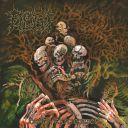
Seedów: 0
Komentarze: 0
Data dodania:
2026-09-30 20:46:59
Rozmiar: 85.50 MB
Peerów: 0
Dodał: Fallen_Angel
Opis
...SIŁA I PIĘKNO MUZYKI TKWIĄ W JEJ RÓŻNORODNOŚCI...
..::OPIS::.. Okładka zeszłorocznego debiutu Filth "Time to Rot" idealnie oddała jego psychodelicznie odrażającą zawartość i podobnie jest też z okładką ich drugiego albumu, "Death Exhibition". Podczas gdy debiutancki LP udowodnił, że Filth byli prawdziwymi pretendentami do staroszkolnego, wskrzeszonego death metalowego barbarzyństwa, "Death Exhibition" ukazuje power trio brzmiące zarówno bardziej finezyjnie, jak i barbarzyńsko. Formuła prawie się nie zmieniła, ale fundamenty ich brzmienia zostały tu jeszcze bardziej rozbudowane; czy to surowe, miażdżące brzmienie pierwszych dwóch albumów Grave (w tym zejścia w bardziej doomowe rejony "You'll Never See..."), czy też przydymiony charakter pierwszych dwóch albumów Immolation (narodziny sekwencji "odwróconych riffów" w death metalu), Filth posuwa się naprzód, torturując ciało i umysł na "Death Exhibition". ... Oczywiście można dostrzec inne, podobne, oldschoolowe wpływy – Demilich, Autopsy, Incantation, fiński Abhorrence – ale bądźcie pewni, że Filth wlewa własną osobowość (i odrobinę dziwactwa) do tego bulgoczącego kotła, aby zachować autentyczność, zamiast po prostu zżynać z przeszłości. Dodajcie do tego wilgotną, całkowicie analogową produkcję, a otrzymacie prawdziwą Wystawę Śmierci, z którą trzeba się liczyć. ME SACO UN OJO RECORDS and ROTTED LIFE are proud to present the highly anticipated second album of Sweden's FILTH, Death Exhibition. ME SACO UN OJO will release the album in Europe on CD and vinyl LP formats, while ROTTED LIFE will release it in the United States on CD and cassette tape formats. Sweden's FILTH have a knack for fitting album covers. The one to last year's celebrated Time to Rot debut album captured its psychedically putrid contents perfectly, and so does the cover to their sophomore full-length, Death Exhibition. Whereas that no-less-weighty debut LP proved FILTH were true contenders to old-school death metal barbarity thawed in the present, Death Exhibition sees the power-trio sounding both more finessed and more barbaric. The formula has hardly changed, thankfully, but the foundations of their sound are expanded further here; whether it's the crude, tank-rolling crush of Grave's first two albums (including the dips into doomier territory on You'll Never See...) or the sooty angularity of Immolation's first two (the birth of the "backwards riff" sequence in DM), FILTH go the distance in punishing the body and tormenting the mind on Death Exhibition. Most poignant case in point: the dank crypt of instrumental "...Inhumed...," where flanged-out bass begins the plummet to unfathomable depths, establishing both atmosphere and physical presence of a most intimidating nature, and then carried to its conclusion in companion instrumental "...Exhumed...," where the chasm to (and from) that crypt becomes a hypnotically haunting trudge. Who else is doing such exemplary work with death metal instrumentals? Naturally, other similarly old-school influences can be spotted - Demilich, Autopsy, Incantation, Finland's Abhorrence - but rest assured that FILTH inject their own personality (and just a slight bit of weirdness) into the bubbling cauldron to remain authentic rather than ripping off someone else's past. Add in humid, wholly analog production and you truly have a Death Exhibition worth reckoning. Swedish trio FILTH are back with their second full-length, "Death Exhibition", following last year's "Time to Rot" without much of a wait. Per (vocals, drums), Sebastian (guitar, bass), and Ismael (guitar) once again lean into the rotting textures of old-school death metal, but this time the album's world isn't built solely around speed and brutality. What stands out about FILTH is their ability to place the genre's most primitive instincts alongside a heavier, more atmospheric, and at times downright strange approach to structure. The opening 'Intro' on "Death Exhibition" announces that the album will establish its own space before launching into a direct attack. Boiling noise and a cinematic atmosphere give way to crawling guitars, deep growls, and increasingly weighty rhythms as it moves into 'Split Casket'. The death metal here operates through physical weight more than sheer speed. The density created by the interlocking guitars combines with constantly active drumming, although the track doesn't yet reveal the album's full potential. The real momentum arrives with 'Buried Alive'. Higher tempos come to the fore here as an exception, and FILTH's riffs don't merely accelerate—they also acquire a sharper edge of aggression. This approach to tempo defines much of the album. Rather than constantly chasing blast beats, FILTH prefer to create a heavy pressure within mid-tempo and uptempo passages. When the drums occasionally double the pace, they don't so much alter the underlying rhythmic character as add a sudden surge of tension to it. Per's vocals follow the same logic. Extremely deep, full-bodied growls aren't used constantly; instead, vocal lines are stretched out, allowing the spaces between them to contribute to the music's weight. The relative scarcity of vocals therefore never feels like a deficiency. On the contrary, the sections where the growls become more prominent, as on 'Mental Butchery', gain additional impact from the surrounding instrumental space. The role of the guitars simultaneously reveals the album's strongest and most contentious aspect. "Death Exhibition" preserves the direct, blunt-force riffing of early death metal while expanding it through sections with a stronger doom character. There is a clear continuity between the propulsive riffs of 'Split Casket' and 'Buried Alive' and the heavier, muddier structures of tracks such as '...Exhumed...'. The goal here isn't to push the genre's speed as far as possible, but to extend the physical weight of the riff. When the guitars occasionally open into melodic lines, they likewise serve atmospheric purposes rather than functioning as mere decoration. The most successful expressions of this approach emerge in the two instrumentals. '...Inhumed...' breaks away from the conventional death metal song structure midway through the album, building itself around flanged bass and dark guitar textures. Here, the bass isn't merely a rhythmic support element; it becomes a sound that directly shapes the track's atmosphere. '...Exhumed...' follows by carrying the idea forward through a more doom-oriented riff structure. The relationship between the two tracks forms one of the album's most thoughtfully conceived compositions: one represents a descent into the depths, while the other seems to struggle slowly toward the surface through that same dark space. This is where FILTH's experimental side truly makes sense; unusual elements aren't being used to move away from the genre, but to expand death metal's physical sensation. That said, not every slowdown on the album is equally effective. In some of the more doom-heavy guitar passages, the ideas can feel stretched without enough direction behind them. While the more orderly and controlled structure of "Death Exhibition" trims away some of the looser energy of the debut, it also makes certain passages more predictable in return. This is particularly noticeable in the more groove-oriented sections. On a track such as 'Sadistic Ways', the guitars could generate more aggression and impact, yet the current guitar tone doesn't always deliver the full physical force these riffs are capable of producing. This is where the production creates an important distinction. The album's dirty, humid, analog character fits its aesthetic extremely well. The sounds haven't been sterilized; the rough edges of the guitars, the substantial presence of the bass, and the pronounced drum hits preserve the organic character of old-school death metal. Yet the guitar tone, which could be expected to hit with more punch than it does here—especially compared with the debut—remains somewhat more controlled this time around, and that becomes a disadvantage on groove-driven riffs. Interestingly, the same production choice that strengthens the album's atmospheric side occasionally pulls its aggressive side into the background. FILTH's reference points within the genre also help make sense of this picture. The tank-like weight of early GRAVE, the angular and restless riffing of early IMMOLATION, the muddy darkness of AUTOPSY, the crushing atmosphere of INCANTATION, and the old Finnish death metal tradition surrounding DEMILICH and ABHORRENCE can all be felt within the album's genetic makeup. But "Death Exhibition" doesn't simply present these influences as pieces taken from the past. The strangeness of its instrumental passages and the space it gives to doom allow FILTH to place that heritage within their own sonic vocabulary. As a result, the album's old-school character functions less as a nostalgic costume than as a foundation for composition. The album cover's move toward a more direct death metal aesthetic, one that supports this musical approach, doesn't seem accidental either. Still, the visual side finds its strongest counterpart in the music itself, where the theme of decay is constructed not only through aggressive riffs but also through space, slowdowns, and sonic textures. FILTH become interesting here not when they try to do more, but when they begin using the genre's basic materials at different levels of intensity. The closing 'Rotted Life' consequently serves as a good summary of the album. The track is in almost no hurry, yet the guitars' movement beneath the surface, the deep vocals, and the increasingly heavy structure create a distinct tension. It's one of the tracks that demonstrates how FILTH's music cannot be measured by speed alone. The structure, which runs for just over half an hour across ten tracks including the intro, also works in its favor: the album never outstays its welcome, and the instrumental sections feel integrated into its overall atmosphere rather than detached experiments sitting outside the main body. "Death Exhibition" doesn't abandon the old-school death metal backbone established with "Time to Rot"; it expands it into a heavier, more controlled, and more atmospheric space. That expansion isn't equally successful everywhere: some of the doom-oriented passages would benefit from a more forceful guitar tone and more clearly defined compositional direction. Even so, FILTH's second album gains its significance by moving beyond mere admiration for the genre's past and rearranging some of its fundamental elements—riff weight, dirty tone, deep vocals, and physical intensity—in different proportions. That is where "Death Exhibition" is most convincing: it preserves the rotten material of old-school death metal while making room for a little more darkness within it. Ozan ..::TRACK-LIST::.. 1. Intro 00:29 2. Split Casket 03:35 3. Buried Alive 03:39 4. Born a Corpse 03:21 5. Mental Butchery 04:06 6. Inhumed 04:07 7. Sadistic Ways 03:38 8. Exhibition of Death 04:13 9. Exhumed 02:44 10. Rotted Life 04:26 https://www.youtube.com/watch?v=xq_kYmj-nuI SEED 15:00-22:00. POLECAM!!! 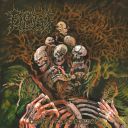
Seedów: 0
Komentarze: 0
Data dodania:
2026-09-30 20:44:02
Rozmiar: 247.75 MB
Peerów: 0
Dodał: Fallen_Angel
Opis
...SIŁA I PIĘKNO MUZYKI TKWIĄ W JEJ RÓŻNORODNOŚCI...
..::OPIS::.. Klasyczny niemiecki grind/death metal; szósta duża płyta z 1999 roku. Reedycja VIC RECORDS zawiera również cover IMPETIGO "Wizzard of Gore". After finally seeing Blood live, and being blown away by what I'd consider to be one of the best extreme metal shows I've ever witnessed, I think it's the best time to discuss in detail why I've always held these German wacks in such a high regard - considering them to be pretty much the best grindcore band of all time. I remember, during the earlier part of my adolescence, holding Carcass' "Reek of Putrefaction" as my all-time favorite grind album, being enamored with its inhuman putridity and insane riff galore, believing nothing could ever top it. Then, around the age of seventeen, I ran across Blood for the first time, hearing the track "Ebola", and of course I was floored: no grindcore band I knew up until then had ever sounded this violent, this powerful, this nasty, this wretched in spite of its extreme minimalism and streamlined presentation. Not too long after, I dove deep into Blood's discography, discovering and falling in love with the haunting, morbid extremity of works such as "O agios pethane" and "Christbait". But the album that really took the cake for me was the one featuring the track that made me a convert in the first place - an album that was even able to surpass what, up until that point, I'd consider to be the artistic peak of the genre. "Reek of Putrefaction" was not my favorite grindcore record anymore: "Gas. Flames. Bones." was. I wonder why this album gets overlooked so often, even by Blood fans and by the band themselves. To me it's easily Blood's most violent, intense, consistent, all-encompassing work, yet it's probably also their least talked about, generally relegated to a mere footnote in their discography (especially since vocalist Martin Witchskinner rejoined the band, with live shows shifting their focus back to the first three records as a consequence of that). "Gas. Flames. Bones." is an abrupt departure from the formula of previous albums such as "Mental Conflicts" and "Depraved Goddess", which bore an overall lighter, less busy, more punk-laden approach featuring less intense riffs, more minimalistic songwriting and a generally more relaxed pace to the songs: on the contrary, this is probably Blood's grittiest, fiercest, overall busiest offering - cramming an insane amount of riffs in generally shorter amounts of space, with a stunning newfound sensibility, eloquence and dynamism in the songwriting department, in stark contrast to the relatively static songwriting of previous two works; this restless urgency is further aggravated by a rather severe, solemn atmosphere that's instantly established by the intro track, setting the mood for the album right at the start with a sample from Carl Orff's "Carmina Burana" (which, to be fair, was already featured on a track from "Depraved Goddess"), later joined by drums, bass and guitars accenting it and giving it a new level of gravitas and epic drama. And fuck me if the album doesn't deliver on that, with the following nineteen tracks. This is Blood turned up to eleven in any conceivable regard: "Gas. Flames. Bones." blends the robust, choppy yet intensely atmospheric riffage heard on "Christbait", "O agios pethane" and (to a degree) "Mental Conflicts" with the merciless nonstop blasting of "Impulse to Destroy", all that with an added level of vehemence the band hadn't quite shown before. If "O agios pethane" just dared to gaze into the abyss of human depravity, "Gas. Flames. Bones." takes you straight into the slaughterhouse and smashes your skull with the most downright evil, pitch-black negative riffage the band has ever delivered in their career (enhanced by the grimy, sludgy guitar tone, both obesely heavy in the lower/mid frequencies and annoyingly buzzy in the highs), while Ventilator blasts restlessly and Clausi spews his hatred right into the mic. By the way, about Clausi's vocals: he's no Martin (whose performance on "Impulse to Destroy" remains one of a kind), but I find his role in carrying the band during the "Mental Conflicts"/"Dysangelium" era to be quite underrated. His ogre-like growls, while nothing revolutionary, always manage to sound notably expressive in spite of their - by nature - limited range: they're angry, mean-spirited and filled with utter hatred and contempt, at times tastefully emphasized by the occasional high rasps placed as backing vocals (which sound as devilish and sinister as they can ever get in grindcore), and it always feels like the guy is giving all he's got, never phoning it in - especially during the more relentless tracks such as "Mankind", whose chorus you're never going to forget once you've heard it. The best word to describe Blood's trademark riffing would be tasty: at least, that's the feeling it always gave me. Bands like Depression and Rot have tried to replicate this style, but no one can quite pull it off as good as the originals (even though Rot's latest record is definitely the best attempt I've heard so far). Blood takes the fat, simple, straight-to-the-point riffing of death/grind staples like Terrorizer and improves upon it, giving it more depth, three-dimensionality and overall memorability. As a general rule, Blood riffs are some of the catchiest you're ever going to hear in grindcore: whether they're long-winded tremolos or ultra-minimal three-chord affairs, they're always granted to remain stuck in your head, and the band is always sure to develop and milk their already catchy motifs to the highest extent as far as the old school grind formula can go. A track like "Woundead", for instance, feels like a masterclass in extreme musical minimalism, showing how to indulge in just a few notes per song while still crafting and developing a theme that feels rich and dynamic, in a way that feels worthy of raw black metal champions such as Darkthrone, Von, Ildjarn and Profanatica. As a result, these tracks feel heavy and weighty but ultimately sweet and satisfying, pretty much the feeling you get when eating a fuckton of chocolate if you get what I mean - and well, "Gas. Flames. Bones." is without a doubt the one Blood album that's going to give you an indigestion. First of all, you're gonna hear the most memorably wicked tremolo riffs the band has ever written on tracks such as "Screaming With No Face", "Perishment in Utter Ecstasy", "FH-70mm", "Serial Infanticide" and "Positional Warfare". Songs are also filled with tons of open-chord punky riffage, which was already making a significant comeback in Blood's sound by the times of "Depraved Goddess". Aside from your usual d-beat up-tempos in the vein of "Flames and Gas" or "Multiglobalised Fallacy", I also find worth noting that this is probably the Blood album with the most amount of pure, unadulterated grindcore minimalism since the times of "Impulse to Destroy", as it's immediately apparent by hearing tracks such as the rather lo-fi "Holy Rot": streams of quasi-atonal early Napalm Death power chords abound all throughout the record - and yet, even during those seemingly inarticulate sections, Blood's mature, distinct, well thought-out songwriting formula is still preserved, if not even emphasized to a higher degree; the main motifs of tracks like "Ebola" are built around two or three power chords - and yet they feel more "alive" and with more things to say than most prog discographies ever will, possessing such a distinct, unmistakable identity that it sounds unreal when you hear it. Despite this relatively high amount of stripped down punky minimalism, however, the more rigid, percussive approach developed between "Christbait" and "Mental Conflicts" in the form of choppier, chuggier riffage still plays an important role on numerous pieces such as "Auto Cannibalism", "Defaced Total Mutation" and "Fleshconsumer", at times even intertwining with the whirly grindcore riffs (see: "Derangement") in a dynamic, ever-changing stream of violence that never lets you off the hook and never gives you a chance to catch your breath, in a way that seems unthinkable for such an old school, minimalistic grind record. "Gas. Flames. Bones." manages to accomplish the kind of mature, narrative approach to grindcore songwriting that records like "Reek of Putrefaction" needed twice the amount of riffs to properly convey, and that's the album's secret strength in a nutshell. And I still haven't talked about what happens when the songs slow down. Ohhh, boy: I've never been more happy to hear a grindcore record slow down than on "Gas. Flames. Bones." - and that's saying a lot, considering how much I've just praised the album's blasting sections. If you're familiar with famous Blood tunes such as "Spasmo Paralytic Dreams", you know how infectious their chugging mid-tempos can be - and on this album, this formula reaches its peak on "Der Henker", whose main riff is one you can't truly forget, and the grinding double-bass mid-paced attacks of "Hecatomb". Staying true to Blood's tried-and-true formula since the first album, songs like "Screaming With No Face", "Derangement" and "Serial Infanticide" feature some chugging mid-paced breaks which only serve to add some dynamism and make later blasting sections feel even more impactful. And yet, this particular Blood album adds an even more interesting ingredient to the mix: the second halves of tracks such as "Auto Cannibalism" and "Der Henker" feature some open-chord pauses/slowdowns with a rather martial, solemn rhythmic cadence that makes them feel more akin to black metal than anything death metal or grindcore-related. During these slower parts, the riffs are sludgier, more minimalistic and more dripping with misanthropic malevolence than anywhere else on the record - and these slow, almost black-ish interludes later morph into more apocalyptic, minimalistic grindcore blasting with such an intuitive naturalness that speaks volumes about this band's musical intelligence. I've heard Blood being associated multiple times with black metal despite their surface musical attributes sounding nothing like it: after all, many of their smaller gigs (like the one I attended last weekend) tend to revolve around a predominantly black/death-oriented bill, closer to the war metal scene than to the grindcore one - and let's also not forget that the band themselves used to wear some haphazardly-made corpsepaint on stage around the times of "O agios pethane" and "Mental Conflicts". However, to me this connection has never been more apparent than on "Gas. Flames. Bones.", especially during its slower portions: closing track "Positional Warfare" is a perfect way to wrap things up by emphasizing, through its rather epic construction and morbid use of melody, the album's evil, depraved nature that sounds more akin to Blasphemy or Goatpenis than Napalm Death or Repulsion in spirit. Hey, wait a minute - all this chit-chat about guitar riffs and atmosphere has diverted me from discussing one of the most defining elements of this record and Blood as a whole: Ventilator's INSANE drumming. I can't really imagine this band without him: this is one of those cases, along with Cryptopsy and a few others, where the concept of the drummer being the engine of a band ascends to a whole new level of meaning. If you've read some of my past reviews about cult underground releases from the 80's, you might be aware of my slight preference for more old school, primitive forms of blasting - more chaotic and directly related to the thrash beat archetype. However, as far as proper extreme metal blast-beats go, Ventilator has always been among my favorites interpreters of the style. He's not a particularly fast drummer by current standards (although he was clearly ahead of the curve back in 1989), but nevertheless, he's often able to make his performance feel faster than it really is, through the sheer intensity of his playing: unlike many trigger-reliant extreme metal drummers of today (and seemingly keeping faith to D.D. Crazy's style), he never speeds up at the expense of hitting his drumkit with the reasonable amount of strength, and that makes his faster sections all the more impactful and significant. I swear his playing is ten times more stunning and jaw-dropping when heard live, but the albums where the ridiculous intensity of his drumming is more immediately apparent are "Impulse to Destroy" and "Gas. Flames. Bones." - the latter benefitting from ten more years of technical advancement, put at the service of a more lethally precise performance that truly leaves no survivors. Starting right from "Screaming With No Face", you're run over by a never-ending flood of blast-beats, overwhelming your senses like on no other Blood album ever. I generally tend to enjoy my grindcore with sloppier, less precise drumming (see: Mick Harris' crashing, mayhemic wall of sound on Napalm Death's first two records) - but this is one of those cases where technical precision, being implemented into such an overall intense musical framework, does truly benefit the music, instead of making it more streamlined and boring as it sadly is often the case. The mix between "Gas. Flames. Bones."'s hyperactive songwriting and relentlessly fast drumming does really constitute what you'd call an explosive cocktail: Ventilator never sits on a beat for too long, switching between steamrolling blast-beats, restless d-beats and massive, grinding mid-tempos. Aside from the usual modern grind blasting, he even digs up some of those older, more primitive proto-blast skank beats that used to be very popular back in the late 80's and could still be heard at times on "Impulse to Destroy" (see: "Foulmouthed Politicians") on tracks such as "Serial Infanticide" or even the verse sections from "Flames and Gas". But the thing that sends me on the moon when it comes to Ventilator's drumming is the mercilessly precise violence of his breaks: really, this guy took grindcore's typical drum break and turned it into a mind-blowing art form. Past examples of that could be found on songs such as "Cannibal Ritual" (which I had the pleasure to hear live), but my favorite example ever can be found right on this album, more specifically on "Flames and Gas", which ends in a reckless blastfest accented by some of the sharpest, most precise drum breaks I've ever heard, getting more and more intense each time they repeat until the end of the song. This is another testament to Blood's unbelievable songwriting prowess, even concerning the tiniest, seemingly most trivial details. I didn't plan for this review to be this long, but well, it seems like you can never give this album enough praise. "Gas. Flames. Bones." remains to this day my favorite work in the entire grindcore genre - a vibrant, inspired, splendidly crafted synthesis of all its best attributes (in a similar way to Vomitory's "Blood Rapture" for death metal), and I can't imagine anything possibly topping it. Could Mortician be counted as reasonable contenders? Well - they do possess a huge, undeniable grindcore baggage in their sound (further testified by their Napalm Death and Repulsion covers), but their thuggy musical approach is overall much more akin to your typical 90's NY brutal death act than any pre-2000 grindcore band; Blood on the other hand is pure old school death/grind, and no one does it better than they do on this record. Even though I was blown away by the live renditions of their earlier, more classic albums, I still wish the band would cover at least a handful of tracks from this criminally overlooked masterpiece I encourage any grindcore fan (both old school and modern) to check out. It's an album so violent, deranged, gritty and genuinely evil that it could truly have come out of the Nazi camps depicted on its cover. Noise Maniakk ..::TRACK-LIST::.. 1. Intro 1:52 2. Screaming With No Face 1:19 3. Flames And Gas 1:35 4. Auto Cannibalism 1:55 5. Ebola 1:23 6. Perishment In Utter Ecstasy 1:48 7. Defaced Total Mutation 1:02 8. 2011 0:06 9. Der Henker 2:48 10. Fleshconsumer 1:01 11. Multiglobalised Fallacy 1:20 12. Derangement 2:33 13. Woundead 0:41 14. FH-70mm 1:20 15. Holy Rot 1:49 16. Mankind 1:16 17. Serial Infanticide 2:16 18. Amputation 1:24 19. Hecatomb 1:41 2. Positional Warfare 2:13 Bonus Track: 21. Wizards Of Gore 3:24 Track 21 originally appeared on the tribute to Impetigo CD "Wizards of Gore" on Razorback Records and is extra for this edition. ..::OBSADA::.. Vocals - Clausi Bass - Taki Drums - Ventilator Guitar - Eisen https://www.youtube.com/watch?v=U6XsKsDyqKg SEED 15:00-22:00. POLECAM!!! 
Seedów: 0
Komentarze: 0
Data dodania:
2026-09-28 17:28:14
Rozmiar: 88.63 MB
Peerów: 0
Dodał: Fallen_Angel
Opis
...SIŁA I PIĘKNO MUZYKI TKWIĄ W JEJ RÓŻNORODNOŚCI...
..::OPIS::.. Klasyczny niemiecki grind/death metal; szósta duża płyta z 1999 roku. Reedycja VIC RECORDS zawiera również cover IMPETIGO "Wizzard of Gore". After finally seeing Blood live, and being blown away by what I'd consider to be one of the best extreme metal shows I've ever witnessed, I think it's the best time to discuss in detail why I've always held these German wacks in such a high regard - considering them to be pretty much the best grindcore band of all time. I remember, during the earlier part of my adolescence, holding Carcass' "Reek of Putrefaction" as my all-time favorite grind album, being enamored with its inhuman putridity and insane riff galore, believing nothing could ever top it. Then, around the age of seventeen, I ran across Blood for the first time, hearing the track "Ebola", and of course I was floored: no grindcore band I knew up until then had ever sounded this violent, this powerful, this nasty, this wretched in spite of its extreme minimalism and streamlined presentation. Not too long after, I dove deep into Blood's discography, discovering and falling in love with the haunting, morbid extremity of works such as "O agios pethane" and "Christbait". But the album that really took the cake for me was the one featuring the track that made me a convert in the first place - an album that was even able to surpass what, up until that point, I'd consider to be the artistic peak of the genre. "Reek of Putrefaction" was not my favorite grindcore record anymore: "Gas. Flames. Bones." was. I wonder why this album gets overlooked so often, even by Blood fans and by the band themselves. To me it's easily Blood's most violent, intense, consistent, all-encompassing work, yet it's probably also their least talked about, generally relegated to a mere footnote in their discography (especially since vocalist Martin Witchskinner rejoined the band, with live shows shifting their focus back to the first three records as a consequence of that). "Gas. Flames. Bones." is an abrupt departure from the formula of previous albums such as "Mental Conflicts" and "Depraved Goddess", which bore an overall lighter, less busy, more punk-laden approach featuring less intense riffs, more minimalistic songwriting and a generally more relaxed pace to the songs: on the contrary, this is probably Blood's grittiest, fiercest, overall busiest offering - cramming an insane amount of riffs in generally shorter amounts of space, with a stunning newfound sensibility, eloquence and dynamism in the songwriting department, in stark contrast to the relatively static songwriting of previous two works; this restless urgency is further aggravated by a rather severe, solemn atmosphere that's instantly established by the intro track, setting the mood for the album right at the start with a sample from Carl Orff's "Carmina Burana" (which, to be fair, was already featured on a track from "Depraved Goddess"), later joined by drums, bass and guitars accenting it and giving it a new level of gravitas and epic drama. And fuck me if the album doesn't deliver on that, with the following nineteen tracks. This is Blood turned up to eleven in any conceivable regard: "Gas. Flames. Bones." blends the robust, choppy yet intensely atmospheric riffage heard on "Christbait", "O agios pethane" and (to a degree) "Mental Conflicts" with the merciless nonstop blasting of "Impulse to Destroy", all that with an added level of vehemence the band hadn't quite shown before. If "O agios pethane" just dared to gaze into the abyss of human depravity, "Gas. Flames. Bones." takes you straight into the slaughterhouse and smashes your skull with the most downright evil, pitch-black negative riffage the band has ever delivered in their career (enhanced by the grimy, sludgy guitar tone, both obesely heavy in the lower/mid frequencies and annoyingly buzzy in the highs), while Ventilator blasts restlessly and Clausi spews his hatred right into the mic. By the way, about Clausi's vocals: he's no Martin (whose performance on "Impulse to Destroy" remains one of a kind), but I find his role in carrying the band during the "Mental Conflicts"/"Dysangelium" era to be quite underrated. His ogre-like growls, while nothing revolutionary, always manage to sound notably expressive in spite of their - by nature - limited range: they're angry, mean-spirited and filled with utter hatred and contempt, at times tastefully emphasized by the occasional high rasps placed as backing vocals (which sound as devilish and sinister as they can ever get in grindcore), and it always feels like the guy is giving all he's got, never phoning it in - especially during the more relentless tracks such as "Mankind", whose chorus you're never going to forget once you've heard it. The best word to describe Blood's trademark riffing would be tasty: at least, that's the feeling it always gave me. Bands like Depression and Rot have tried to replicate this style, but no one can quite pull it off as good as the originals (even though Rot's latest record is definitely the best attempt I've heard so far). Blood takes the fat, simple, straight-to-the-point riffing of death/grind staples like Terrorizer and improves upon it, giving it more depth, three-dimensionality and overall memorability. As a general rule, Blood riffs are some of the catchiest you're ever going to hear in grindcore: whether they're long-winded tremolos or ultra-minimal three-chord affairs, they're always granted to remain stuck in your head, and the band is always sure to develop and milk their already catchy motifs to the highest extent as far as the old school grind formula can go. A track like "Woundead", for instance, feels like a masterclass in extreme musical minimalism, showing how to indulge in just a few notes per song while still crafting and developing a theme that feels rich and dynamic, in a way that feels worthy of raw black metal champions such as Darkthrone, Von, Ildjarn and Profanatica. As a result, these tracks feel heavy and weighty but ultimately sweet and satisfying, pretty much the feeling you get when eating a fuckton of chocolate if you get what I mean - and well, "Gas. Flames. Bones." is without a doubt the one Blood album that's going to give you an indigestion. First of all, you're gonna hear the most memorably wicked tremolo riffs the band has ever written on tracks such as "Screaming With No Face", "Perishment in Utter Ecstasy", "FH-70mm", "Serial Infanticide" and "Positional Warfare". Songs are also filled with tons of open-chord punky riffage, which was already making a significant comeback in Blood's sound by the times of "Depraved Goddess". Aside from your usual d-beat up-tempos in the vein of "Flames and Gas" or "Multiglobalised Fallacy", I also find worth noting that this is probably the Blood album with the most amount of pure, unadulterated grindcore minimalism since the times of "Impulse to Destroy", as it's immediately apparent by hearing tracks such as the rather lo-fi "Holy Rot": streams of quasi-atonal early Napalm Death power chords abound all throughout the record - and yet, even during those seemingly inarticulate sections, Blood's mature, distinct, well thought-out songwriting formula is still preserved, if not even emphasized to a higher degree; the main motifs of tracks like "Ebola" are built around two or three power chords - and yet they feel more "alive" and with more things to say than most prog discographies ever will, possessing such a distinct, unmistakable identity that it sounds unreal when you hear it. Despite this relatively high amount of stripped down punky minimalism, however, the more rigid, percussive approach developed between "Christbait" and "Mental Conflicts" in the form of choppier, chuggier riffage still plays an important role on numerous pieces such as "Auto Cannibalism", "Defaced Total Mutation" and "Fleshconsumer", at times even intertwining with the whirly grindcore riffs (see: "Derangement") in a dynamic, ever-changing stream of violence that never lets you off the hook and never gives you a chance to catch your breath, in a way that seems unthinkable for such an old school, minimalistic grind record. "Gas. Flames. Bones." manages to accomplish the kind of mature, narrative approach to grindcore songwriting that records like "Reek of Putrefaction" needed twice the amount of riffs to properly convey, and that's the album's secret strength in a nutshell. And I still haven't talked about what happens when the songs slow down. Ohhh, boy: I've never been more happy to hear a grindcore record slow down than on "Gas. Flames. Bones." - and that's saying a lot, considering how much I've just praised the album's blasting sections. If you're familiar with famous Blood tunes such as "Spasmo Paralytic Dreams", you know how infectious their chugging mid-tempos can be - and on this album, this formula reaches its peak on "Der Henker", whose main riff is one you can't truly forget, and the grinding double-bass mid-paced attacks of "Hecatomb". Staying true to Blood's tried-and-true formula since the first album, songs like "Screaming With No Face", "Derangement" and "Serial Infanticide" feature some chugging mid-paced breaks which only serve to add some dynamism and make later blasting sections feel even more impactful. And yet, this particular Blood album adds an even more interesting ingredient to the mix: the second halves of tracks such as "Auto Cannibalism" and "Der Henker" feature some open-chord pauses/slowdowns with a rather martial, solemn rhythmic cadence that makes them feel more akin to black metal than anything death metal or grindcore-related. During these slower parts, the riffs are sludgier, more minimalistic and more dripping with misanthropic malevolence than anywhere else on the record - and these slow, almost black-ish interludes later morph into more apocalyptic, minimalistic grindcore blasting with such an intuitive naturalness that speaks volumes about this band's musical intelligence. I've heard Blood being associated multiple times with black metal despite their surface musical attributes sounding nothing like it: after all, many of their smaller gigs (like the one I attended last weekend) tend to revolve around a predominantly black/death-oriented bill, closer to the war metal scene than to the grindcore one - and let's also not forget that the band themselves used to wear some haphazardly-made corpsepaint on stage around the times of "O agios pethane" and "Mental Conflicts". However, to me this connection has never been more apparent than on "Gas. Flames. Bones.", especially during its slower portions: closing track "Positional Warfare" is a perfect way to wrap things up by emphasizing, through its rather epic construction and morbid use of melody, the album's evil, depraved nature that sounds more akin to Blasphemy or Goatpenis than Napalm Death or Repulsion in spirit. Hey, wait a minute - all this chit-chat about guitar riffs and atmosphere has diverted me from discussing one of the most defining elements of this record and Blood as a whole: Ventilator's INSANE drumming. I can't really imagine this band without him: this is one of those cases, along with Cryptopsy and a few others, where the concept of the drummer being the engine of a band ascends to a whole new level of meaning. If you've read some of my past reviews about cult underground releases from the 80's, you might be aware of my slight preference for more old school, primitive forms of blasting - more chaotic and directly related to the thrash beat archetype. However, as far as proper extreme metal blast-beats go, Ventilator has always been among my favorites interpreters of the style. He's not a particularly fast drummer by current standards (although he was clearly ahead of the curve back in 1989), but nevertheless, he's often able to make his performance feel faster than it really is, through the sheer intensity of his playing: unlike many trigger-reliant extreme metal drummers of today (and seemingly keeping faith to D.D. Crazy's style), he never speeds up at the expense of hitting his drumkit with the reasonable amount of strength, and that makes his faster sections all the more impactful and significant. I swear his playing is ten times more stunning and jaw-dropping when heard live, but the albums where the ridiculous intensity of his drumming is more immediately apparent are "Impulse to Destroy" and "Gas. Flames. Bones." - the latter benefitting from ten more years of technical advancement, put at the service of a more lethally precise performance that truly leaves no survivors. Starting right from "Screaming With No Face", you're run over by a never-ending flood of blast-beats, overwhelming your senses like on no other Blood album ever. I generally tend to enjoy my grindcore with sloppier, less precise drumming (see: Mick Harris' crashing, mayhemic wall of sound on Napalm Death's first two records) - but this is one of those cases where technical precision, being implemented into such an overall intense musical framework, does truly benefit the music, instead of making it more streamlined and boring as it sadly is often the case. The mix between "Gas. Flames. Bones."'s hyperactive songwriting and relentlessly fast drumming does really constitute what you'd call an explosive cocktail: Ventilator never sits on a beat for too long, switching between steamrolling blast-beats, restless d-beats and massive, grinding mid-tempos. Aside from the usual modern grind blasting, he even digs up some of those older, more primitive proto-blast skank beats that used to be very popular back in the late 80's and could still be heard at times on "Impulse to Destroy" (see: "Foulmouthed Politicians") on tracks such as "Serial Infanticide" or even the verse sections from "Flames and Gas". But the thing that sends me on the moon when it comes to Ventilator's drumming is the mercilessly precise violence of his breaks: really, this guy took grindcore's typical drum break and turned it into a mind-blowing art form. Past examples of that could be found on songs such as "Cannibal Ritual" (which I had the pleasure to hear live), but my favorite example ever can be found right on this album, more specifically on "Flames and Gas", which ends in a reckless blastfest accented by some of the sharpest, most precise drum breaks I've ever heard, getting more and more intense each time they repeat until the end of the song. This is another testament to Blood's unbelievable songwriting prowess, even concerning the tiniest, seemingly most trivial details. I didn't plan for this review to be this long, but well, it seems like you can never give this album enough praise. "Gas. Flames. Bones." remains to this day my favorite work in the entire grindcore genre - a vibrant, inspired, splendidly crafted synthesis of all its best attributes (in a similar way to Vomitory's "Blood Rapture" for death metal), and I can't imagine anything possibly topping it. Could Mortician be counted as reasonable contenders? Well - they do possess a huge, undeniable grindcore baggage in their sound (further testified by their Napalm Death and Repulsion covers), but their thuggy musical approach is overall much more akin to your typical 90's NY brutal death act than any pre-2000 grindcore band; Blood on the other hand is pure old school death/grind, and no one does it better than they do on this record. Even though I was blown away by the live renditions of their earlier, more classic albums, I still wish the band would cover at least a handful of tracks from this criminally overlooked masterpiece I encourage any grindcore fan (both old school and modern) to check out. It's an album so violent, deranged, gritty and genuinely evil that it could truly have come out of the Nazi camps depicted on its cover. Noise Maniakk ..::TRACK-LIST::.. 1. Intro 1:52 2. Screaming With No Face 1:19 3. Flames And Gas 1:35 4. Auto Cannibalism 1:55 5. Ebola 1:23 6. Perishment In Utter Ecstasy 1:48 7. Defaced Total Mutation 1:02 8. 2011 0:06 9. Der Henker 2:48 10. Fleshconsumer 1:01 11. Multiglobalised Fallacy 1:20 12. Derangement 2:33 13. Woundead 0:41 14. FH-70mm 1:20 15. Holy Rot 1:49 16. Mankind 1:16 17. Serial Infanticide 2:16 18. Amputation 1:24 19. Hecatomb 1:41 2. Positional Warfare 2:13 Bonus Track: 21. Wizards Of Gore 3:24 Track 21 originally appeared on the tribute to Impetigo CD "Wizards of Gore" on Razorback Records and is extra for this edition. ..::OBSADA::.. Vocals - Clausi Bass - Taki Drums - Ventilator Guitar - Eisen https://www.youtube.com/watch?v=U6XsKsDyqKg SEED 15:00-22:00. POLECAM!!! 
Seedów: 0
Komentarze: 0
Data dodania:
2026-09-28 17:24:50
Rozmiar: 268.00 MB
Peerów: 0
Dodał: Fallen_Angel
Opis
...SIŁA I PIĘKNO MUZYKI TKWIĄ W JEJ RÓŻNORODNOŚCI...
..::OPIS::.. The album ‘Sanctum Disruption, Sphere of the Rotting’ contains the two heaviest and most brutal Dutch death metal demos ever. Especially their second demo ‘Sphere of the Rotting’ is in the world wide death metal underground highly acclaimed as one of the most extreme demos ever. This six track demo was recorded at Het Pand in 1992 with Frits van Mourik (Phlebotomized, Threnody, Lair of Golgotha). The booklet comes with extensive liner notes and many rare pictures. The debut demo ‘Sanctum’s Disruption’ (1991) is restored and remixed, the second demo is fully remastered. Also included is one never released track from the second demo sessions and a live track. ..::TRACK-LIST::.. Sphere Of The Rotting Demo 1992 1. The Initiation 0:44 2. Aroused By The Deceased 3:31 3. Sanctum's Disruption 4:17 4. Witch From Akyrz 2:18 5. Pernicious Saviour 4:59 6. Church Of Delusion 3:57 Sanctum's Disruption 1990 7. Witch From Akyrz 2:26 8. Mutual Hatred 2:03 9. Things That Were And Shall Be Again 3:20 10. Obtruncation 2:06 11. Repudiated Angel 3:14 Bonus Track: 12. Aroused By The Deceased 4:30 Track 12 - recorded live in October 22th, 1994 at Schedelpop Festival, Oostburg. https://www.youtube.com/watch?v=8ZYcDPp4KpA SEED 15:00-22:00. POLECAM!!! 
Seedów: 0
Komentarze: 0
Data dodania:
2026-09-27 12:36:15
Rozmiar: 89.25 MB
Peerów: 0
Dodał: Fallen_Angel
Opis
...SIŁA I PIĘKNO MUZYKI TKWIĄ W JEJ RÓŻNORODNOŚCI...
..::OPIS::.. The album ‘Sanctum Disruption, Sphere of the Rotting’ contains the two heaviest and most brutal Dutch death metal demos ever. Especially their second demo ‘Sphere of the Rotting’ is in the world wide death metal underground highly acclaimed as one of the most extreme demos ever. This six track demo was recorded at Het Pand in 1992 with Frits van Mourik (Phlebotomized, Threnody, Lair of Golgotha). The booklet comes with extensive liner notes and many rare pictures. The debut demo ‘Sanctum’s Disruption’ (1991) is restored and remixed, the second demo is fully remastered. Also included is one never released track from the second demo sessions and a live track. ..::TRACK-LIST::.. Sphere Of The Rotting Demo 1992 1. The Initiation 0:44 2. Aroused By The Deceased 3:31 3. Sanctum's Disruption 4:17 4. Witch From Akyrz 2:18 5. Pernicious Saviour 4:59 6. Church Of Delusion 3:57 Sanctum's Disruption 1990 7. Witch From Akyrz 2:26 8. Mutual Hatred 2:03 9. Things That Were And Shall Be Again 3:20 10. Obtruncation 2:06 11. Repudiated Angel 3:14 Bonus Track: 12. Aroused By The Deceased 4:30 Track 12 - recorded live in October 22th, 1994 at Schedelpop Festival, Oostburg. https://www.youtube.com/watch?v=8ZYcDPp4KpA SEED 15:00-22:00. POLECAM!!! 
Seedów: 0
Komentarze: 0
Data dodania:
2026-09-27 12:33:45
Rozmiar: 268.00 MB
Peerów: 0
Dodał: Fallen_Angel
Opis
...SIŁA I PIĘKNO MUZYKI TKWIĄ W JEJ RÓŻNORODNOŚCI...
..::OPIS::.. Reedycja jedynej dużej płyty z 1995 roku w wykonaniu deathmetalowego zespołu z Florydy. Twórcą zespołu był Tony Laureano znany z takich zespołów jak MALEVOLENT CREATION, NILE, BRUJERIA... Jako bonus CD zawiera drugie demo "Cultivated Innards" (1993). ..::TRACK-LIST::.. 1. To Lead Astray 2. Pain Infini 3. Of Hell 4. Feed the Liar 5. Fallen Cross 6. America A.D. 7. The Ungodly 8. Technical Fool 9. As Anvients Evolve (Guitar Solo-Schuldiner) Bonus Tracks: 'Cultivated Innards' demo 1993 10. Oblivious Decline 11. We Implode 12. Obliterate 13. Cultivated Innards 14. Fearless Spawn 15. Subliminal Manipulations ..::OBSADA::.. Vocals - Nik Chevalier Guitar - Josh Sweeny Lead Guitar - Ken Barber Bass - Ryan Robinson Drums - Tony Laureano https://www.youtube.com/watch?v=2E_XVhKUH0Q SEED 15:00-22:00. POLECAM!!! 
Seedów: 0
Komentarze: 0
Data dodania:
2026-09-25 19:15:09
Rozmiar: 130.25 MB
Peerów: 0
Dodał: Fallen_Angel
Opis
...SIŁA I PIĘKNO MUZYKI TKWIĄ W JEJ RÓŻNORODNOŚCI...
..::OPIS::.. Reedycja jedynej dużej płyty z 1995 roku w wykonaniu deathmetalowego zespołu z Florydy. Twórcą zespołu był Tony Laureano znany z takich zespołów jak MALEVOLENT CREATION, NILE, BRUJERIA... Jako bonus CD zawiera drugie demo "Cultivated Innards" (1993). ..::TRACK-LIST::.. 1. To Lead Astray 2. Pain Infini 3. Of Hell 4. Feed the Liar 5. Fallen Cross 6. America A.D. 7. The Ungodly 8. Technical Fool 9. As Anvients Evolve (Guitar Solo-Schuldiner) Bonus Tracks: 'Cultivated Innards' demo 1993 10. Oblivious Decline 11. We Implode 12. Obliterate 13. Cultivated Innards 14. Fearless Spawn 15. Subliminal Manipulations ..::OBSADA::.. Vocals - Nik Chevalier Guitar - Josh Sweeny Lead Guitar - Ken Barber Bass - Ryan Robinson Drums - Tony Laureano https://www.youtube.com/watch?v=2E_XVhKUH0Q SEED 15:00-22:00. POLECAM!!! 
Seedów: 0
Komentarze: 0
Data dodania:
2026-09-25 19:10:57
Rozmiar: 329.50 MB
Peerów: 0
Dodał: Fallen_Angel
Opis
...SIŁA I PIĘKNO MUZYKI TKWIĄ W JEJ RÓŻNORODNOŚCI...
..::OPIS::.. Jeśli ktoś zapyta mnie o mój ulubiony zespół Gene’a Palubickiego obecnie, bez wahania wskażę na Hexorcist. Wielbię ich od debiutu, który ukazał się pięć lat temu ze znaczkiem Godz ov War Productions. No i teraz kwartet uderza ponownie. I cóż, materiał znów ukazuje się u Grega, jako fantastycznie wydana taśma, a do tego dla tych, którzy nie oddają hołdu magnetofonowemu diabłu – również dzięki Invictus Productions. Tyle kronikarskich bzdetów, przejdźmy do muzyki – a ta jest kurewsko doskonała. Nie zmieniła się stylistycznie ani na jotę – i to jest jej największa zaleta. Hexorcist jest emanacją oldschoolowego death/thrash metalu, ze zdecydowanym wskazaniem na pierwszy z członów. To moja trzecia recenzja dokonań tej grupy i po raz trzeci muszę wymienić najdonioślejsze z nazw – Angelcorpse, Morbid Angel, Possessed, Dark Angel… Weźcie z nich co najlepsze: agresję, szaleństwo, diabelstwo, technikę, feeling. Powstanie z tego Hexorcist. Nie potrafię siedzieć na dupie spokojnie, gdy leci ich muzyka – „Crucificial Imprecations” jest na to po prostu kolejnym dowodem. Na tym krążku wszystko składa się na wspaniały hołd dla przełomu lat osiemdziesiątych i dziewięćdziesiątych. O muzyce już powiedziałem – dwójka Hexorcist jest jak skok w tamte lata. Również formalnie ten zespół totalnie dowozi pod tym kątem. Ten krążek jest raczej krótki, ma tylko osiem numerów i trwa pół godziny, podczas gdy dziś mam wrażenie że zespoły nie chcą nagrywać tak krótkich albumów. Ba, Hexorcist nawet nagrał kawałek „Hexorcist” i nie wiem dlaczego, ale takie rzeczy również kojarzą mi się cholernie z czymś niedzisiejszym. No i okładka – żadne tam jebane AI, ale też nie masowo produkowane czarnobiałe frontcovery. Nie powiem, że to truchło na koniu z front coveru to „maskotka” zespołu, natomiast chyba coś jest na rzeczy i ta spójność okładek nie jest na pewno przypadkowa. Jeszcze słowo o formacie – oczywiście najpierw trafiło do mnie promo cyfrowe, natomiast niedawno otworzyłem przesyłkę od Godz ov War Productions i oczom mym (i Waszym, boście byli świadkami), ukazała się cudnej urody taśma. Cała zadrukowana, z długaśną rozkładówką – warta każdych pieniędzy, nie tylko z sentymentu. Jeśli jesteście maniakami kaset, koniecznie piszcie na Kobyłkę po swoją kopię. Tyle peanów. Hexorcist potęgą jest i basta. Dla każdego, kto tęskni za wspaniałymi latami, gdy rodziła się ekstrema, te dźwięki będą niczym za przeproszeniem biblia. Na kolana! Oracle Troszkę wody w rzece upłynęło od chwili wydania bardzo dobrego debiutu Amerykanów. Z drugiej strony, te pięć lat minęło jak z chuja strzelił, i oto mamy następcę „Evil Reaping Death”. W międzyczasie zespół przepoczwarzył się personalnie, a konkretnie na wokalach pojawił się Gienek Palubicki, choć zastanawiam się dlaczego pod nazwiskiem własnym, a nie jako Hexorcist V. Myślę, że poniekąd magia nazwiska miała na celu zwiększenie zainteresowania zespołem, zwłaszcza że ten zasłużonej atencji chyba nie osiągnął. No ale przejdźmy do meritum. Hexorcist to twór, który mocno czerpie ze spuścizny Morbid Angel, o czym zresztą wspomniałem przedstawiając wam ich wcześniejsze materiały. „Crucificial Imprecations” jest prostolinijną kontynuacją stylu opartego na wspomnianych stylu. Zaznaczam, że mówimy o rozwijaniu pewnego wzorca, a nie bezpośrednim kopiowaniu, tym bardziej, że na „dwójce” sposób interpretacji własnej znanych klasyków został odrobinę urozmaicony. Poza oczywistymi konotacjami melodycznymi z ekipą Treya i spółki, na nowych nagraniach pojawia się więcej solówek mocniej kojarzących się z Nocturnus. Acz z drugiej strony nie wiem, czy to wrażenie nie jest u mnie spowodowane faktem, iż kilka dni temu odszedł od nas pan Browning, a przy tej okazji jego dyskografię sobie odświeżałem. Drugą sprawą jest brzmienie. Jakby bardziej surowe w porównaniu do debiutu. Nie powiem, że demówkowe, ale noszące takie znamiona. W każdym razie stuprocentowo organiczne, z celowymi chyba drobnymi niedociągnięciami. Pod względem muzyki sprawa jest raczej wiadoma. Zastanawiam się tylko, czy dokooptowany na wokal Gene miał jakiś, choćby drobny wpływ na ostateczny wpływ kompozycji. Osobiście stawiałbym na „tak”, bo „Crucificial Imprecations” ma w sobie też drobne zalążki Angelcorpse, albo może bardziej Perdition temple, czyli stylu będącego wypadkową obu klasycznych ekip. Album ten nie należy do odkrywczych, bardziej odkrywkowych. Nie umniejsza to bynajmniej jego jakości. Moim zdaniem Hexorcist to jedni z najbardziej utalentowanych spadkobierców tego, co zrodziło się na Florydzie jakieś czterdzieści lat temu. Jeśli czerpać od najlepszych, do dokładnie w takim stylu jak oni. A konsekwencję obranego przez zespół stylu widać w tym przypadku nawet po okładce. I to chyba wystarczy za cały komentarz do tej płyty. Bo nad czym się tu niby rozwodzić? jesusatan Having never heard of this band before grabbing the promo because it looked cool, I’m certainly glad I took a chance here, because Hexorcist are firm worshippers of the olden style of death metal when it was still in its infancy stages. I love the olde sound, and Crucificial Imprecations is exactly that: half an hour of no-nonsense, evil sounding death metal that I can easily see sitting beside Sijjin on the modern pantheon of actual old-school sounding death metal bands instead of the flagrant use of the genre label that Rate Your Music likes to perpetuate as “OSDM” when in reality these bands don’t sound anything like how the TRVE old school death metal bands used to sound. Crucificial Imprecations delivers exactly what I look for when I reach for this sound, and they do it in such a trim runtime. And no wonder Hexorcist have that old sound, because they have the legendary Gene Palubicki (Angelcorpse, Perdition Temple, Malefic Throne, many more) at the helm. There’s no corny intros on Crucificial Imprecations, only a brief build-up in the first and second tracks before it’s an all-out riff assault. I’m a big fan in particular how menacing this is from front to back, with Palubicki’s trademark evil rasps in conjunction with the absolutely pulse-pounding blasts and evil sounding riffs. There’s no real highlight track here, as all of them are absolutely feral sounding and could have been lost relics from the early age of death metal had this not been a current year release. Everyone does top-notch work on Crucificial Imprecations, and this album as a whole exudes a pervading menace like that of a shark circling its prey before going in for the kill. Hexorcist has wowed me. I’m a huge fan of what they’re doing, as I love this particular style of death metal, and while it won’t be making my year-end list, it’s just good solid headbanging chaos that makes me want to listen again. This ain’t your “traditional” old school death metal like what collective review sites would want you to believe, but instead it’s an actual relic that could have been released in the late 1980s or early 1990s amongst the first wave of death metal acts, much like Sijjin, and delivers its vitriolic hymns with the fervor I expect and want from an album that sounds like this. I absolutely recommend this. Aeons Burning Five years ago, Hexorcist released one of my favourite death metal records of the 2020s, entitled “Evil Reaping Death“. As such, I was delighted to hear of its successor, which will be released by Invictus Productions and Godz of War Productions on 31st July. An ominous introduction sets the morbid mood for the carnage ahead, swelling before erupting into chaotic death metal fury. The savagery of the riffs and pulverising drums entwine with whammy abuse and maniacal vocals to give the purified late 80s death metal onslaught that Hexorcist have built their sound around. Once again, they have utilised a classic-sounding production that allows every instrument to not only be heard but felt. The spaces between them give rusted breezes of decay to allow each sanguineous note to be digested. If you’re bored of death metal being mid to low tempos with super low tunings but not much aggression, Hexorcist will have you poised for punishment. From the swooping fills to the vicious leads, cutting bass lines, and consistently barbarous guitar riffs, there is no weakness in the invocations of “Crucificial Imprecations”, which starts off as it means to go on – with a nuclear metal attack. Twisted passages of deity-defacing death-thrash armageddon permeate the unrelenting chaos and offer these discomforting atmospheres without a moment of mercy or respite. Crank the evil and sadistic up to eleven and feed it on a diet of the most lethal death and thrash metal of the 80s, and you can imagine roughly what Hexorcist sounds like, although be warned; they are neither predictable nor adhere to any conventions but the upholding of diabolical might. There is not even a slither of fat to trim; this is not one of those bloated records where you are wondering why it has to be so long. Hexorcist do not allow even a second of music to make the cut if it isn’t absolutely perfect for the album. From those bursts of bestial fierceness to the more grooving whiplash hooks, you will not be spared for even a moment of this annihilating opus. Remember the likes of “Show No Mercy”, “Bloody Vengeance”, “Altars of Madness”, “Seven Churches”, “INRI” and those other records that were the pinnacle of evil? Remember how they might have been death, black, thrash or some other constellation of metallic warfare that often wove it all together before pigeonholing and homogeny became the name of the game? Hexorcist nails that wild, unbridled and most hostile blend of their influences in such a way that feels truly authentic and feral. With razor-sharp musicianship that keeps all of the low end gut-wrenching while the malicious guitars cut like blades, allowing the skull to be caved in by indomitable drums. Not to mention the voracious hunger for carnage in the vocal department. This is a record without weakness that shows no mercy nor quarter and most importantly never falters in its consistent morbid majesty. A rapturous invocation of pure death metal excellence. The magick of this primordial evil is to the point and yet expansive with technicality and precision, delivering total mania. A vicious and unforgiving half an hour of death metal that summons the ancient spirits of Morbid Angel, Sadistic Intent, Angelcorpse, Necrovore, Possessed, and more. A truly impeccable follow-up to one of the best debuts of the 2020s. Submit to the power from hell and unleash the macabre with Hexorcist’s ripping and ruthless new record. Nattskog7 ..::TRACK-LIST::.. 1. Crucificial Imprecations 05:37 2. Defacing Deities 04:08 3. Emissary of Evil 03:53 4. Adverse Sacraments 03:19 5. Deconsecration 02:21 6. Hexorcist 03:11 7. Unconsecrated Offerings 04:25 8. Exordium of Profanation 04:05 ..::OBSADA::.. Mors Ululatus - Orator of the Poison Gospels of Madness Pest - Deathammers of Relentless Onslaughts Maleferious - Chainsaws and Dispenser of Curses Lvctvs - Awakener of Arcane Hexes from the Depths Trucluentus - Lead Barer of Merciless Gladium https://www.youtube.com/watch?v=qYG6ri7Hgz8 SEED 15:00-22:00. POLECAM!!! 
Seedów: 0
Komentarze: 0
Data dodania:
2026-09-25 16:42:46
Rozmiar: 75.13 MB
Peerów: 0
Dodał: Fallen_Angel
Opis
...SIŁA I PIĘKNO MUZYKI TKWIĄ W JEJ RÓŻNORODNOŚCI...
..::OPIS::.. Jeśli ktoś zapyta mnie o mój ulubiony zespół Gene’a Palubickiego obecnie, bez wahania wskażę na Hexorcist. Wielbię ich od debiutu, który ukazał się pięć lat temu ze znaczkiem Godz ov War Productions. No i teraz kwartet uderza ponownie. I cóż, materiał znów ukazuje się u Grega, jako fantastycznie wydana taśma, a do tego dla tych, którzy nie oddają hołdu magnetofonowemu diabłu – również dzięki Invictus Productions. Tyle kronikarskich bzdetów, przejdźmy do muzyki – a ta jest kurewsko doskonała. Nie zmieniła się stylistycznie ani na jotę – i to jest jej największa zaleta. Hexorcist jest emanacją oldschoolowego death/thrash metalu, ze zdecydowanym wskazaniem na pierwszy z członów. To moja trzecia recenzja dokonań tej grupy i po raz trzeci muszę wymienić najdonioślejsze z nazw – Angelcorpse, Morbid Angel, Possessed, Dark Angel… Weźcie z nich co najlepsze: agresję, szaleństwo, diabelstwo, technikę, feeling. Powstanie z tego Hexorcist. Nie potrafię siedzieć na dupie spokojnie, gdy leci ich muzyka – „Crucificial Imprecations” jest na to po prostu kolejnym dowodem. Na tym krążku wszystko składa się na wspaniały hołd dla przełomu lat osiemdziesiątych i dziewięćdziesiątych. O muzyce już powiedziałem – dwójka Hexorcist jest jak skok w tamte lata. Również formalnie ten zespół totalnie dowozi pod tym kątem. Ten krążek jest raczej krótki, ma tylko osiem numerów i trwa pół godziny, podczas gdy dziś mam wrażenie że zespoły nie chcą nagrywać tak krótkich albumów. Ba, Hexorcist nawet nagrał kawałek „Hexorcist” i nie wiem dlaczego, ale takie rzeczy również kojarzą mi się cholernie z czymś niedzisiejszym. No i okładka – żadne tam jebane AI, ale też nie masowo produkowane czarnobiałe frontcovery. Nie powiem, że to truchło na koniu z front coveru to „maskotka” zespołu, natomiast chyba coś jest na rzeczy i ta spójność okładek nie jest na pewno przypadkowa. Jeszcze słowo o formacie – oczywiście najpierw trafiło do mnie promo cyfrowe, natomiast niedawno otworzyłem przesyłkę od Godz ov War Productions i oczom mym (i Waszym, boście byli świadkami), ukazała się cudnej urody taśma. Cała zadrukowana, z długaśną rozkładówką – warta każdych pieniędzy, nie tylko z sentymentu. Jeśli jesteście maniakami kaset, koniecznie piszcie na Kobyłkę po swoją kopię. Tyle peanów. Hexorcist potęgą jest i basta. Dla każdego, kto tęskni za wspaniałymi latami, gdy rodziła się ekstrema, te dźwięki będą niczym za przeproszeniem biblia. Na kolana! Oracle Troszkę wody w rzece upłynęło od chwili wydania bardzo dobrego debiutu Amerykanów. Z drugiej strony, te pięć lat minęło jak z chuja strzelił, i oto mamy następcę „Evil Reaping Death”. W międzyczasie zespół przepoczwarzył się personalnie, a konkretnie na wokalach pojawił się Gienek Palubicki, choć zastanawiam się dlaczego pod nazwiskiem własnym, a nie jako Hexorcist V. Myślę, że poniekąd magia nazwiska miała na celu zwiększenie zainteresowania zespołem, zwłaszcza że ten zasłużonej atencji chyba nie osiągnął. No ale przejdźmy do meritum. Hexorcist to twór, który mocno czerpie ze spuścizny Morbid Angel, o czym zresztą wspomniałem przedstawiając wam ich wcześniejsze materiały. „Crucificial Imprecations” jest prostolinijną kontynuacją stylu opartego na wspomnianych stylu. Zaznaczam, że mówimy o rozwijaniu pewnego wzorca, a nie bezpośrednim kopiowaniu, tym bardziej, że na „dwójce” sposób interpretacji własnej znanych klasyków został odrobinę urozmaicony. Poza oczywistymi konotacjami melodycznymi z ekipą Treya i spółki, na nowych nagraniach pojawia się więcej solówek mocniej kojarzących się z Nocturnus. Acz z drugiej strony nie wiem, czy to wrażenie nie jest u mnie spowodowane faktem, iż kilka dni temu odszedł od nas pan Browning, a przy tej okazji jego dyskografię sobie odświeżałem. Drugą sprawą jest brzmienie. Jakby bardziej surowe w porównaniu do debiutu. Nie powiem, że demówkowe, ale noszące takie znamiona. W każdym razie stuprocentowo organiczne, z celowymi chyba drobnymi niedociągnięciami. Pod względem muzyki sprawa jest raczej wiadoma. Zastanawiam się tylko, czy dokooptowany na wokal Gene miał jakiś, choćby drobny wpływ na ostateczny wpływ kompozycji. Osobiście stawiałbym na „tak”, bo „Crucificial Imprecations” ma w sobie też drobne zalążki Angelcorpse, albo może bardziej Perdition temple, czyli stylu będącego wypadkową obu klasycznych ekip. Album ten nie należy do odkrywczych, bardziej odkrywkowych. Nie umniejsza to bynajmniej jego jakości. Moim zdaniem Hexorcist to jedni z najbardziej utalentowanych spadkobierców tego, co zrodziło się na Florydzie jakieś czterdzieści lat temu. Jeśli czerpać od najlepszych, do dokładnie w takim stylu jak oni. A konsekwencję obranego przez zespół stylu widać w tym przypadku nawet po okładce. I to chyba wystarczy za cały komentarz do tej płyty. Bo nad czym się tu niby rozwodzić? jesusatan Having never heard of this band before grabbing the promo because it looked cool, I’m certainly glad I took a chance here, because Hexorcist are firm worshippers of the olden style of death metal when it was still in its infancy stages. I love the olde sound, and Crucificial Imprecations is exactly that: half an hour of no-nonsense, evil sounding death metal that I can easily see sitting beside Sijjin on the modern pantheon of actual old-school sounding death metal bands instead of the flagrant use of the genre label that Rate Your Music likes to perpetuate as “OSDM” when in reality these bands don’t sound anything like how the TRVE old school death metal bands used to sound. Crucificial Imprecations delivers exactly what I look for when I reach for this sound, and they do it in such a trim runtime. And no wonder Hexorcist have that old sound, because they have the legendary Gene Palubicki (Angelcorpse, Perdition Temple, Malefic Throne, many more) at the helm. There’s no corny intros on Crucificial Imprecations, only a brief build-up in the first and second tracks before it’s an all-out riff assault. I’m a big fan in particular how menacing this is from front to back, with Palubicki’s trademark evil rasps in conjunction with the absolutely pulse-pounding blasts and evil sounding riffs. There’s no real highlight track here, as all of them are absolutely feral sounding and could have been lost relics from the early age of death metal had this not been a current year release. Everyone does top-notch work on Crucificial Imprecations, and this album as a whole exudes a pervading menace like that of a shark circling its prey before going in for the kill. Hexorcist has wowed me. I’m a huge fan of what they’re doing, as I love this particular style of death metal, and while it won’t be making my year-end list, it’s just good solid headbanging chaos that makes me want to listen again. This ain’t your “traditional” old school death metal like what collective review sites would want you to believe, but instead it’s an actual relic that could have been released in the late 1980s or early 1990s amongst the first wave of death metal acts, much like Sijjin, and delivers its vitriolic hymns with the fervor I expect and want from an album that sounds like this. I absolutely recommend this. Aeons Burning Five years ago, Hexorcist released one of my favourite death metal records of the 2020s, entitled “Evil Reaping Death“. As such, I was delighted to hear of its successor, which will be released by Invictus Productions and Godz of War Productions on 31st July. An ominous introduction sets the morbid mood for the carnage ahead, swelling before erupting into chaotic death metal fury. The savagery of the riffs and pulverising drums entwine with whammy abuse and maniacal vocals to give the purified late 80s death metal onslaught that Hexorcist have built their sound around. Once again, they have utilised a classic-sounding production that allows every instrument to not only be heard but felt. The spaces between them give rusted breezes of decay to allow each sanguineous note to be digested. If you’re bored of death metal being mid to low tempos with super low tunings but not much aggression, Hexorcist will have you poised for punishment. From the swooping fills to the vicious leads, cutting bass lines, and consistently barbarous guitar riffs, there is no weakness in the invocations of “Crucificial Imprecations”, which starts off as it means to go on – with a nuclear metal attack. Twisted passages of deity-defacing death-thrash armageddon permeate the unrelenting chaos and offer these discomforting atmospheres without a moment of mercy or respite. Crank the evil and sadistic up to eleven and feed it on a diet of the most lethal death and thrash metal of the 80s, and you can imagine roughly what Hexorcist sounds like, although be warned; they are neither predictable nor adhere to any conventions but the upholding of diabolical might. There is not even a slither of fat to trim; this is not one of those bloated records where you are wondering why it has to be so long. Hexorcist do not allow even a second of music to make the cut if it isn’t absolutely perfect for the album. From those bursts of bestial fierceness to the more grooving whiplash hooks, you will not be spared for even a moment of this annihilating opus. Remember the likes of “Show No Mercy”, “Bloody Vengeance”, “Altars of Madness”, “Seven Churches”, “INRI” and those other records that were the pinnacle of evil? Remember how they might have been death, black, thrash or some other constellation of metallic warfare that often wove it all together before pigeonholing and homogeny became the name of the game? Hexorcist nails that wild, unbridled and most hostile blend of their influences in such a way that feels truly authentic and feral. With razor-sharp musicianship that keeps all of the low end gut-wrenching while the malicious guitars cut like blades, allowing the skull to be caved in by indomitable drums. Not to mention the voracious hunger for carnage in the vocal department. This is a record without weakness that shows no mercy nor quarter and most importantly never falters in its consistent morbid majesty. A rapturous invocation of pure death metal excellence. The magick of this primordial evil is to the point and yet expansive with technicality and precision, delivering total mania. A vicious and unforgiving half an hour of death metal that summons the ancient spirits of Morbid Angel, Sadistic Intent, Angelcorpse, Necrovore, Possessed, and more. A truly impeccable follow-up to one of the best debuts of the 2020s. Submit to the power from hell and unleash the macabre with Hexorcist’s ripping and ruthless new record. Nattskog7 ..::TRACK-LIST::.. 1. Crucificial Imprecations 05:37 2. Defacing Deities 04:08 3. Emissary of Evil 03:53 4. Adverse Sacraments 03:19 5. Deconsecration 02:21 6. Hexorcist 03:11 7. Unconsecrated Offerings 04:25 8. Exordium of Profanation 04:05 ..::OBSADA::.. Mors Ululatus - Orator of the Poison Gospels of Madness Pest - Deathammers of Relentless Onslaughts Maleferious - Chainsaws and Dispenser of Curses Lvctvs - Awakener of Arcane Hexes from the Depths Trucluentus - Lead Barer of Merciless Gladium https://www.youtube.com/watch?v=qYG6ri7Hgz8 SEED 15:00-22:00. POLECAM!!! 
Seedów: 0
Komentarze: 0
Data dodania:
2026-09-25 16:38:29
Rozmiar: 227.50 MB
Peerów: 0
Dodał: Fallen_Angel
|
|||||||||||||
Żaden z plików nie znajduje się na serwerze. Torrenty są własnością użytkowników. Administrator serwisu nie może ponieść konsekwencji za to co użytkownicy wstawiają, lub za to co czynią na stronie. Nie możesz używać tego serwisu do rozpowszechniania lub ściągania materiałów do których nie masz odpowiednich praw lub licencji. Użytkownicy odpowiedzialni są za przestrzeganie tych zasad.
Copyright © 2026 Best-Torrents.com