|
...SIŁA I PIĘKNO MUZYKI TKWIĄ W JEJ RÓŻNORODNOŚCI...
..::OPIS::..
Kapitalny, wydany w 1974 przez Brain Metronome (a brzmiący jak w 1972), debiutancki album niemieckiej formacji grającej ożywczy, pełen energii i dość melodyjny/chwytliwy rock progresywny (dużo Hammondów, dużo fletu, elektryczne gitary, mocne, gęste bębny) w klimacie najlepszych momentów Jane, Eloy, Out Of Focus, Nektar i Twenty Sixty Six And Then - ze szczyptą Jethro Tull (flet). Każdy utwór jest świetny - naprawdę brak wypełniaczy oraz późniejszego, artrockowego smęcenia. Prawdę mówiąc jeśli chodzi o bardziej komercyjny, cięższy krautrock jest to płyta wręcz wzorcowa i polecana jest wszystkim miłośnikom starego rocka!
SATIN WHALE, czyli płetwal błękitny... Muszę przyznać, że ta piękna nazwa rockowej kapeli uwiodła mnie. Może dlatego, że czuję wielki podziw, szacunek, respekt i ogromną sympatię do tych największych znanych zwierząt w historii Ziemi. Proszę sobie wyobrazić, że sam język dorosłego płetwala błękitnego waży (bagatela) 2700 kg, a szeroko rozwarte usta mogą pomieścić 90 ton pożywienia..! A co do zespołu – nie tylko nazwa mnie urzekła. Muzyka na szczęście też.
Ten niemiecki zespół został założony w 1971 roku w Kolonii (niem. Köln) przez Thomasa Brücka (bas, wokal), Gerarda Dellmanna (organy), Dietera Roesberga (gitara, saksofon, flet, wokal) i Horsta Schöffgena (perkusja). O jego początkach wiadomo niewiele, a i późniejsza kariera też nie obfitowała w historie, które zwracałyby szczególną uwagę mediów. Skromny zespół skupiający się na swojej muzyce nie jest pożywką dla bulwarowej prasy. Działając do 1981 roku zostawili po sobie dwa single i sześć długogrających płyt, z czego pierwszą „Desert Places” uważam za nokautującą, zaś druga, „Lost Mankind”, niewiele jej ustępuje.
Początkowo SATIN WHALE związali się z pionierską, dziś już legendarną wytwórnią Brian specjalizującą się w wydawaniu muzyki elektronicznej i krautrocka, dla której nagrywali tacy wykonawcy jak Klaus Schulze, Electric Sun, Grobschnitt, Guru Guru, Jane, Amon Dull… Debiutancki album został nagrany w maju 1973 roku w Rhenus Studios mieszczącym się w kolońskiej dzielnicy Godorf . Krążek zatytułowany „Desert Places” ukazał się dokładnie rok później.
Tak bardzo solidnej, progresywnej płyty z elementami i wpływami innych gatunków muzycznych w 1974 roku nie było zbyt wiele. Album prezentuje bogaty i energiczny rock progresywny z długimi utworami, charakteryzującymi się rozbudowanymi motywami instrumentalnymi, dynamicznymi jamami, potężnymi partiami jazzowej sekcji rytmicznej. Muzyka oparta jest na mocnych gitarach rytmicznych, ostrych riffach z mnóstwem efektów wah-wah (gra gitarzysty to przyjemność dla moich uszu!), baterią klawiszy (tony Hammondów) w psychodelicznym klimacie. Do tego dochodzą partie fletu, saksofon i dyskretne, klasyczne inspiracje z użyciem fortepianu. Cała płyta jest spójna i równa. Wspaniała demonstracja klimatów wczesnego krautrocka (Tommorow’s Gift, Eiliff), z odniesieniami do sceny brytyjskiej (Iron Butterfly, Cream, Jethro Tull), głównie ze względu na angielskie teksty i bluesowe wpływy. No i brzmi jakby została wydana co najmniej trzy lata wcześniej…
Tytułowe „Deseret Places” najbardziej przypomina wczesny Jethro Tull z szybującym fletem i ciężkimi organami, a potężne brzmienie z psychodeliczną gitarą bluesową bliskie jest Cream. Dieter Roesberg gra cudowne solo, jego gitara przez moment jest liderem wśród pozostałych instrumentów. W dalszej części wchodzi flet, a dialog z gitarzystą i przemienne sola na tle organów powodują gęsią skórę… Psychodeliczny „Seasons Of Life” to coś w stylu „The Doors spotyka Iron Butterfly”. Tyle, że w tym przypadku wyszło to jeszcze bardziej ekscytująco! Zwracam uwagę na ładnie wyeksponowany bas i gitarę prowadzącą, zaś Hammond w dalszej części nagrania brzmi wprost niesamowicie. W tym momencie wiem, że ta płyta nie pozwoli stopie stać w bezruchu nawet przez sekundę… Dziesięciominutowy „Remember” pełen żarliwej dynamiki i zmian tempa prowadzony jest przez płonącą gitarę Roesberga i grungowe organy Geralda Dellmana. Piękna, melancholijna melodia zaśpiewana przez gitarzystę półtorej minuty po ognistym wstępie przywołuje nastrój lirycznych Wishbone Ash… Nie czas jednak na sentymenty. Muzycy wściekle prą naprzód niczym pocisk wystrzelony z myśliwca F16 do namierzonego celu. Ależ jazda..! „I Often Wondered” rozpoczyna się mocnym wejściem saksofonu altowego (Roesberg), do którego dołączają bas, perkusja i organy. Te ostatnie wraz z gitarą tworzą doskonale rozumiejący się duet. Przyjemny wokal ustępuje miejsca gitarze, która zaczyna kolejne, pełne polotu solo… Całość wieńczy 13-minutowe „Perception”. Kilka basowych nutek, organy jak w otwarciu „Child In Time” Deep Purple, delikatne dźwięki talerza – cóż za miły wstęp przed wejściem gitary, która wchodzi 40 sekund później, a wraz z nią ekspresyjny wokal. Podoba mi się ten powolny rytm, ale zdaję sobie sprawę, że to tylko wstęp. Około czwartej minuty na czoło wysuwają się potężne organy z ciężką sekcją rytmiczną. Atmosfera robi się gęsta, wręcz ołowiana, muzyka nabiera szybszego tempa. Nieoczekiwanie w miejsce organów pojawia się klasycyzujący fortepian wpuszczając powiew świeżego powietrza robiąc więcej przestrzeni. Hammond powraca po krótkiej chwili, po czym gitara i sekcja rytmiczna płynnie przechodzą w jazz, a właściwie w jazz rockowy jam, do którego podłącza się saksofon. Jak na jedną kompozycję oryginalnie i ciekawie. Takie granie to ja kupuję w ciemno!!!
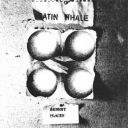
Nie każdy niemiecki zespół musiał być tak kuszący jak np. Can (obie grupy pochodziły z Kolonii) nie mniej SATIN WHALE jest (jednym z wielu) moich ulubionych zespołów, a „Desert Places” to jedna z tych ukochanych płyt tego okresu. Jedyne do czego mogę się przyczepić to dość marna okładka, ale do nich grupa nigdy nie miała szczęścia.
Zibi
I wish I had this album back when I was younger it suits my tastes perfectly. Great vocals, tons of instrumental sections and especially that bluesy guitar that I could listen to endlessly. T2 might be a good comparison with those great guitar led songs. The bass player/ vocalist had a part in the writing all the songs. Should mention that the organ is prominent with the bass and we also get flute and sax, more of the former and both played by the talented guitarist!. They thank Klaus Schulze in the liner notes. Vocals are in English by the way and there's not an average song on here it's all pretty incredible to my ears. Only the cover art is average in my opinion.
"Deseret Places" opens with flute but it kicks into gear very quickly. A calm before 1 1/2 minutes then it kicks in again with organ leading this time. Soon it's the guitar leading the way. Vocals after 3 minutes as it settles some. man this is good. The flute is back after 4 minutes as the vocals stop. Pulsating organ then the vocals return after 5 minutes.
"Seasons Of Life" opens with multi-vocals as guitar, drums, bass and organ join in. Nice prominent bass here then the guitar leads as we get an instrumental section. It settles as the vocals return as these contrasts continue. A change in sound after 3 minutes. man that organ sounds amazing in this instrumental section. The guitar starts to lead before 5 minutes then the organ before the vocals return before 6 minutes.
"Remember" opens with guitar before piano and outbursts of power take over. The guitar then leads with bass, drums and organ supporting. A calm before 1 1/2 minutes with bluesy guitar as the vocals join in. It kicks in before 3 minutes as the vocals stop. Contrasts continue. Fantastic! The organ leads after 4 minutes then the guitar takes over and he's lighting it up. It settles some but then the guitar is back lighting it up. The organ takes the lead around 7 1/2 minutes before the guitar returns late. A melancholic tune.
"I Often Wonder" is where I hear the sax for the first time. Bass, drums and organ help out before the organ leads as the sax steps aside. The guitar and organ trade off 2 minutes in then we get vocals before 4 minutes. Nice. The guitar starts to solo after 4 1/2 minutes as the vocals stop. Vocals are back as contrasts continue.
"Perception" is the almost 13 minute closer. It opens with bass, keys and light guitar. A nice change before kicking in with the guitar leading. Vocals follow. I like that driving rhythm 3 1/2 minutes in as the vocals step aside and the organ plays over top. Piano after 5 1/2 minutes as the organ stops. It turns jazzy, well at least the bass is jazzy before 7 minutes as the guitar solos. The organ is back trading off with the guitar before 8 minutes. Sax 9 1/2 minutes in then it settles some before 11 minutes as the organ runs. It picks up with guitar before 12 minutes then calms down to the end.
My only experience with SATIN WHALE previously was with their 1978 live album which was more Symphonic and I'm not a fan of it. Apparently they went into that style with the followup to this one. I'll stick with this beauty.
Mellotron Storm
I found an original green Brain/Metronome LP pressing at a Eugene, Oregon record store. I couldn't believe what I was seeing! So I snatched it because it was sold at a rather cheap prince ($20), only to find out copies go for ten times that much, or even more so. This isn't the 2010 reprint, as that was apparently pressed on 180g vinyl, this looks like your typical '70s standard weight, probably 120g, plus it looks to have the usual wear and tear of a 1974 LP. I have heard of Satin Whale for ages (since about 2002) and glad to have bought this.
This is probably the closest to Krautrock they have ever did, but don't expect the experimentation of Can, Faust, Amon Duul II, early Tangerine Dream, Ash Ra Tempel, Agitation Free, etc. Here they often go in the Jethro Tull vein, but often go for extended jams, lots of nice guitar and organ soloing. The vocals are OK, nothing to write home, but at least not bad. Much of the album follows this same path, some short vocal passages, extended instrumental passages. One gripe could be, given its 1974 origins, that this album sounds rather behind the times and sounds more like a 1971 or '72 recording, but then you can say the same thing of Eloy's Floating or even Mythos' Dreamlab. But then from hearing my share of 1974 recordings, I came to the conclusion that the year, musically, seemed to have one foot in the early '70s (the guitar/Hammond organ approach was still commonplace) and the mid '70s (synthesizers were starting to play a bigger role). It's obvious that the Satin Whale was a bit behind the times for synths, as they still didn't use one, or more likely couldn't afford one (of course, they used synths on later albums like As a Keepsake). I don't let the "behind the times" sound bother me, it fits comfortably with your other prog albums released a bit earlier. This album gets a lot of praise in the prog community, and for good reason. It's too bad this was never properly reissued. It did received a bootleg reissue on CD on Germanophon, but it would do so much better had Repertoire been able to get their hands on it (after all, that label had reissued many great titles from the Brain label, it's probably either they can't get the rights to it, or the band members are embarrassed and don't want a reissue, just like Kraftwerk did with anything pre-Autobahn). I'm glad to own a turntable and the original LP, and lucky to find at a real decent price. Great stuff I can highly recommend!
Progfan97402
..::TRACK-LIST::..
1. Desert Places 7:28
2. Seasons Of Life 6:41
3. Remember 9:36
4. I Often Wondered 7:14
5. Perception 12:58
..::OBSADA::..
Guitar, Flute, Alto Saxophone, Lead Vocals - Dieter Roesberg
Organ, Piano, Vibraphone - Gerald Dellmann
Bass, Vocals - Thomas Brück
Drums, Vocals - Horst Schättgen
https://www.youtube.com/watch?v=fBqzeoL4J3Y
SEED 15:00-22:00.
POLECAM!!!
|