|
...SIŁA I PIĘKNO MUZYKI TKWIĄ W JEJ RÓŻNORODNOŚCI...
..::OPIS::..
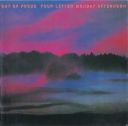
Wydany we jesienią 1972 roku trzeci, dwupłytowy na winylu album tej wspaniałej, niemieckiej formacji był kwintesencją tego co najlepsze w jazzującym rocku progresywnym! Kiedyś uważałem, że 'trójka' jest słabsza od nieco bardziej przystępnych (zwięzłych) poprzedników, jednak byłem w błędzie! Co prawda na 'Four Letter' jest więcej trąbienia, więcej improwizacji (zwłaszcza w wypełniającej dwie strony winylu... 50-minutowej suicie) a trochę mniej gitary, jednakże narastających stopniowo emocji nie brakuje a muzyka częstokroć autentycznie zapierała dech w piersiach! To wciąż był ten sam zespół, ale grający trudniejszy materiał na nieco większym luzie. W porównaniu z Out Of Focus działające wówczas i opętane stylistyką 'fusion' bardziej uznane formacje, jak Soft Machine, Nucleus czy większośc grup z Canterbury po prostu nie miały startu!
Niestety, to był ostatni, katalogowy album grupy. Niemal cały, drugi dysk wypełniony został niepublikowanym materiałem z tej samej sesji nagraniowej a wydanej w 2002 na CD 'Rat Roads' a także dołączono ostatni, 10-minutowy, koncertowy kawałek z Palermo z 1972 roku. Doskonały dźwięk - nieco klarowniejszy niż na dawnych edycjach CD, no i płyta zawiera fajniejszy booklet ponownie gromadzący kilka rzadkich zdjęć tego kapitalnego zespołu! Ten podwójny CD trwa aż 156 minut!
JL
The peak of achievement from this uber-talented band from München, Bundesrepublik Deutschland: a 94-minute of finely polished music. Just remember that there was at least another 94 minutes of excess music from these recording sessions that was left on the cutting room floor or studio shelves gathering dust until someone saw fit to dust them off and publish them on two albums, released in 1999 and 2002, respectively.
LP 1 (46:07): 1. "L.S.B." (17:37) very much like some evolved Big Band jazz--taking Don Ellis a bit further in terms of incorporating elements of avant/free jazz and electronics, but also quite a bit more reigned in in terms of the use of odd time signatures. Still, the song is quite entertaining for its multiple sax-connected multiple motifs covering a range of styles and tempos. There are a lot of elements of blues-rock at the core of a lot of this music (one can still hear the band that did Wake Up! just two years before). I really like the KINGSTON WALL-like vocal motif in the last third of the song. (31.75/35)
2. "When I'm Sleeping" (4:04) sounds like THE ROLLING STONES if they tried covering PETER HAMMILL song as well as a smooth Motown tune for the chorus and instrumental section. Hennse Hering's old-time saloon-like piano play in the background is a delight, as is Stephen Wishen's bass JAMES JAMERSON-like play and the sax work. I don't know why, but the recording of the drums is rather poor. This may be my favorite vocal performance from Moran. (9/10)
3. "Tsajama" (9:23) a great guitar and flute intro leads into an awesome motif with heavy organ and low bass notes weighing things down beneath the flute, guitars, and smoothly-drawn lines coming from the full horn section. Awesome in a Brian Auger/Eumir Deodato kind of way. Remigius Drechsler leads the way with his searing guitar play in the second and third minutes before Hennse's Hammond and the orgasmically-smooth horn section join in to double and back him. Such a great groove! In the second half of the sixth minute the horns, Hammond, and guitars back off and Moran enters in a singing capacity, using Japanese as his language. Interesting. Then he runs off into some poorly-synched scatting in the seventh minute before returning to leading the smoother, multi-channel melody in Japanese in the eighth. But then the band ramps up the pace and breadth of sound dynamics with a return of the horn section, inspiring Moran to gallop off with some more interesting horse-like vocalese scatting(?). (19/20)
4. "Black Cards" (9:38) a gentle weave of organ and electric guitar arpeggi opens this before flute, hand drums, and a second guitar join in. At the one-minute mark the bass jumps on board, ushering the band into a full blues-rock sound palette over which Moran turns back to his Mick Jagger voice for another vocal performance that reminds me of Mick singing his Slow Horses theme song. A return to the opening theme at the end of the third minute allows for a kind of 30-second reset from which they emerge with a VAN MORRISON "Moondance"-like motif over which Hennse solos on his Wurlitzer-sounding organ. This is a great, extended instrumental section with some gorgeous and dynamic flute soloing throughout. At the end we return to the blues swing theme for Moran to finish things off with his Moves Like Jagger. (18/20)
5. "Where Have You Been" (5:35) a gorgeous folk-rock song with one of Moran's most moving and melodic vocal performances. Powerful. Incredible flute solo in the "C" part: heart-wrenching. I know that Moran (and maybe his bandmates) had a very strong moral compass. We are so blessed to have the legacy of their passion and courage. (9.5/10)
Disc One earns itself a five star rating.
LP 2 (48:09): 6. "A Huchen 55" (9:19) opens with mutliple flutes winding and wending their way through a rondo weave for two minutes before giving way to a faded in psychedelic blues-rock jam (that was already in progress). Hammond organ takes the first solo over the bass, drums, and guitar support. At the three-minute mark, a panoply of horns join in, each playing their own melody line but securing their comraderie through mutually-respective pauses and breaks. The music coming from the rhythm section beneath kind of hits a "I'm a Man" pulse-and-let-off pattern as the horns continue their fascinating and almost humorous interplay. In the seventh minute, electric guitar and Hammond start to inject their own flourishes and melodic ideas. By the eighth minute the horn players are starting to tire--and eventually peter out for a full minute or more while the Hammond and sassy electric guitar share a quirky little conversation of quips and epithets. At the end of the ninth minute, then, the bluesy jazz music is fadeout (the same way it came in) replaced by the flute weave that opened the song. (18/20)
7. "Huchen 55, B" (14:32) opening with the flute weave from the previous song bleeding over, a new already-in- progress R&B jam is faded in. The James Jamerson-like bass play that drives the music is once again emitting waves of groovy Motown sound, but this soon fades out to be replaced by Moran's solo flute play. He sounds so much as if he's trying to imitate the breathy play of maestro Jean-Pierre Rampal. Jazz guitars, trumpet, Hammond, each take their turn joining in beneath Moran's increasingly-avat garde flute stylings. In the seventh minute trumpeter Jimmy Polivka tries usurping the lead from Moran, but it is not that easy: Moran is riding along on pure inspiration. So Jimmy gives up. Hennse and Remigius each take their own turns, trying to nudge Moran out, but Herr Hering only seems to get stronger--until the 9:00 mark: then he gives way, sits back and lets the music unfold without him. The band seem to rise to the occasion with a JEFFERSON AIRPLANE-like creativity: slowly, carefully, deliberately. Hennse's excited Hammond is kept at bay via repressed volume, which allows the horns to have their time. In the twelfth minute Remigius steps to the fore and lays out one awesome blues-rock solo. The band is really into the jam here: fully entrained with everyone clicking--expelling their full creative juices. Awesome! Despite its looseness and lack of plan or developmental structure, this song plays out with some infectious power. Moran's multi-flute weave is once again used to bridge this song with the next one. (27/30)
8. "Huchen 55, C" (24:18) What a jam! Wild and crazy: from Moran's lyrics and vocal performance (sounding like a reckless/uninhibited Mick Jagger channeling PETER HAMMILL through DAMO SUZUKI) to the reckless abandon with which everyone blasts and grooves out their passion. I mean, it feels as if everyone, all at once, is given the total green light to play whatever they feel inspired to play. This makes for some very creative and memorable solos--especially from the horn players (the multitude of saxes are of special note), percussionist, and Hennse's Hammond organ. Definitely Krautrock. Definitely hypnotic in a "Low Spark of High-Heeled Boys"-kind of way--a sound that would also seem to indicate the use of mind altering substances. The song's final three minutes are particularly entertaining for the frenetic yet-respectful free-for-all that gradually peters out, making way for yet another reprise of Moran's multi-flute weave. (45.5/50)
Disc Two earns itself a 4.5/5 star rating.
Total Time: 94:16
A-/five stars; a minor masterpiece of wonderfully-creative First Wave Jazz-Rock Fusion. One can definitely trace the influences and inspirations for each song on several levels but in the end the boys have achieved a mastery of their instruments and goals, enabling them to merge admirably their Krautrock influences with the Blues-Rock and Jazz- Rock Fusion trends they've been hearing. As with every other reviewer I've read, it's too bad this band didn't stay together.
With regards to the controversy of whether or not this album (or band) deserves to belong to the Jazz-Rock Fusion sub-genre, I will only say that over the course of the band's three album evolution it has definitely flowed toward Jazz-Rock (though it has also picked up a strong Krautrock foundation as well). This is 1972! Jazz-Rock Fusion was still in it's childhood! The dominant styles and sounds were still as-yet undecided. Herbie Hancock and Mahavishnu John McLaughlin were still evolving! Rapidly! Many bands like Out Of Focus were offering up a wide range of their own personal interpretations--which is one of the most exciting and refreshing aspects of J-R F's "First Wave."
BrufordFreak
..::TRACK-LIST::..
CD 1:
1. L.S.B. 17:36
2. Tsajama 9:24
3. Huchen 55 A, B, C, D 48:12
CD 2:
1. Black Cards 9:37
2. Where Have You Been 5:35
Bonus Tracks:
3. When I'm Sleeping 4:06
4. I'd Like To Be Free 7:16
5. Table Talk 12:05
6. Rat Roads 5:18
7. Fallen Apples 2:20
8. Straight Ahead 4:41
9. Climax 12:49
10. Kitchen Blues 0:32
11. Goodbye Honey 0:58
Tracks 3-11 on taken from the album recording sessions
12. I'm Kissing Right 10:37
Track 12 recorded live in Palermo, Italy on 26th May 1972
..::OBSADA::..
Remigius Drechsler - guitars, Tenor saxophone, flutes, stylophone, voice
Hennse Hering - organ, piano
Moran Neumüller - Soprano saxophone, vocals
Klaus Spöri - drums
Stephen Wishen - bass
+
Hermann Breuer - trombone
Peter Dechant - acoustic guitar, vocals
Grand Roman Langhaus - bongos
Jimmy Polivka - trumpet
Ingo Schmid-Neuhaus - Alto & Bariton saxes
Michael Thatcher - organ
https://www.youtube.com/watch?v=aucWpjAv_7M
SEED 15:00-22:00.
POLECAM!!!
|