|
...SIŁA I PIĘKNO MUZYKI TKWIĄ W JEJ RÓŻNORODNOŚCI..
..::OPIS::..
JB: Na początku chciałem napisać, że nie sprawdziła się teoria Filipa rozpoczynająca recenzję Third, ale trudno przecież rozpatrywać płytę Faust jako powrót, skoro chłopaki (hehe) tak solidnie wymiatali choćby pięć lat temu, nagrywając świetną płytę z Dälek. Lata (a w zasadzie dekady) lecą, a Faust wciąż stanowi straż przednią i jak widać nie zamierza przystanąć w celu rozprostowania kości czy zaczerpnięcia tchu – nawet jeśli w "Kundali Tremolos" "wokaliście" ewidentnie go brakuje. Zresztą opętańczy open'er zdecydowanie zasługuje na jakiś "anty-playlist". Fenomenalnie nagłośnione bębny wyłaniające się z ambientowych pasaży, industrialne harce, nerwowe melodeklamacje w języku Balzaka, charczące gitary i nielogicznie narastające cody. W skrócie coś, czego brakuje 90% dzisiejszych post-rockowych kapel.
Są na tej płycie momenty kipiące wręcz eksperymentatorstwem. Nie wiem na przykład czy "Stimmen" to ma być jakieś Huun-Huur-Tu na kwasie czy co, ale tego to już całkiem nie kumam. Tyle, że Zapppi – Felicjan Grejciun niemieckiej awangardy – ostrzega już tytułem: C'est Com... Com Compliqué, nie proszę państwa C'est Po... Po Pojebane. Wrzućcie sobie utwór tytułowy: Molvaer, jako dżin uwolniający się z niefortunnie rozbitych ampułek, w centrum Schwarzwaldu. Niemcy znów nas biją... na głowę.
MJ: Czy to ci sami kolesie, którzy, niczym Smokie, są obecnie sesyjnym zapleczem podszywającym się pod nazwę monumentu niemiaszko-rocka? Legendy akademickiego groove'u? Ojców wiadomo? Którzy nagrywają piątkowo-szóstkowe (to jest do słuchania w weekend) kolaboracje z bieżącym podziemiem? Sesja z Nurse With Wound była bardziej owocną sesją, niż ktokolwiek się spodziewał. Miłorząb dwuklapowy ekstrakt palony przez kawał szkła palony przez komin burgundzkiej elektrowni palonej przez wspomnienia po twoim nauczycielu fizyki palone przez Świętego Mikołaja z raną postrzałową w okolicy lewego słupka palonego przez bezsennych Burgundczyków bijących w kolektywny bęben palonych przez. "Tarany się skończyły, zaczął się rozpierdol" (Asteriks o "Bonjour Gioacchino"). Bo niby porządnie ryjące machę, wiązane a jednak dla dziewiczego łona raczej ataktyczne rytmy śmieci i niepokojące (nie ale serio, to właśnie jest na myśli) partie wszystkiego innego, bądź to gitar – Ej stary, i kto jest teraz bogiem, stary, kurwa? – bądź rzężenia – zemsta akustyka – nawiedzone dostarczanie wokalu nie zawsze wystarczają historykom filozofii do umieszczenia płyty CD na liście dwudziestu najlepszych płyt CD w historii roku, to jednak tu baza baza, odbiór. Brzmi jak Faust, można słuchać jak popu, nie patyczkuje się z nowicjuszami. Czego więcej? Nie da się więcej w tym wieku.
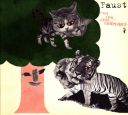
ŁŁ: Przepraszam, ale czy to jest TEN zespół Faust, który debiutował jakieś 40 lat temu? Ten który nagrał taki kawałek "Krautrock"? Nie do konca brzmi to jak ostatnie dokonania Scorpions. "Jest taka opcja", że jak Flaming Lips czy Dinosaur Jr. kompromitują młode kapelki, to jest to śmieszne. Ale przychodzi jakiś Faust... Inna sprawa, że można na to spojrzeć na dwóch płaszczyznach: Ces't Com...Com...Compliqué udowadnia, jak bardzo progresywną i niestarzejącą się po dziś dzień muzyką był krautrock, z drugiej – teleportuje patenty sprzed stu lat, nie tracąc nic na zimnowojennej obrzędowości (fajna kategoria, pozdro Pynchon) i świeżości, a jej progresywność kompromituje 99% eksperymentalistów jako "jakieś śmieszne bełkoty". Ja naprawdę nie wiem co tu mówić, to jest tak organiczne dzieło, z zajebistą okładką, z mnóstwem kombinacji, posępnie wytrąconą motoryką, paletą przesterów, uberpomysłowych linii basu, że brak mi słów. Nie że "legenda", tylko wielki zespół NASZYCH czasów.
MZ: Porywający album w nurcie obrzędowo-eksperymentalnym (z gatunku takich, przy których masz strach w oczach i ciągle oglądasz się za siebie), zwłaszcza autorstwa weteranów, to wisienka na suchym drożdżowym zakalcu. A przy okazji, słysząc te niezwykle gęste i soczyste kolaże, na przykład wyładowania gitarowe zlewające się z sugestywnymi smykami i dudnieniem bębnów jakby ścigających kogoś wyjątkowo przerażonego i wyjątkowo zasapanego, ustaliłem, w drodze asocjacji wtórnej jak mawia Matti, kolejny punkt odniesienia dla Gang Gang Dance.
Jan Błaszczak Mateusz Jędras Łukasz Łachecki Michał Zagroba
Since returning to the public eye in the early 1990s, this legendary Krautrock collective has been a lot more prolific than I would have expected. I remember when Rien hit the shelves, and I thought it was a miracle that such a mercurial and fleeting band (their early 70s heyday lasted just a few years) would actually return to create new music that was, if such a thing is possible, even more far-out than the music for which they achieved their notoriety. But back they were, and Rien was such a difficult listen (lots of abstract noise and lots of silence, even more so than the typical Faust album) that I thought for a while that the band's subsequent releases might not interest me that much, so I stopped following them. However, several years later I took the plunge and found that Faust had indeed returned to the adventurous Krautrock spirit they helped define, and were continuing down their old path while pushing in new directions at the same time.
This album is one of their most sophisticated releases, not exactly accessible, but with a depth and texture that is sometimes lost in their more strident material. The overall mood is somber and subdued, with lots of drones underscoring slow robotic beats, spoken lyrics, and gently buzzing synths. It's not all monochromatic, happily: variety appears in tracks such as "Petits Sons Appetissants", a gently sung waltz with acoustic guitar and piano accompaniment. And it's not all quiet, as the heavy droning pulse of "Bonjour Gioacchino" will attest. The longer tracks, however, are generally quieter and more contemplative than the average Faust tune. I hesitate to say "Faust Lite", but when you consider Faust's legacy, that still allows for some pretty avant garde stuff, and that's in fact what we have here. It's just dressed up in smoother textures than their more "out" albums (e.g. The Faust Tapes).
I think this album would appeal to fans of "So Far" and "Faust IV". It's a great example of Faust's continued vitality in the new millenium. It doesn't try to replicate the music of their past, but it doesn't leave it behind, either. It's a continuation of where they have been going all along, forward along their own path. The fact that they now sound more contemporary than they did in the 1970s is probably evidence that the rest of the music world is only now coming around to the novel ideas they brought to the table so long ago.
HolyMoly
Disconnected marked Faust's disconnect (pun fully intended) from the more industrial side of the coin with their sound. Thus, albums moving forward would showcase a new kind of Faust that played a bit more to their olden krautrock roots, but still dabbled in interesting experiments nonetheless.
Their 2009 release of C'est com...com...compliqué is, in my opinion, one of their best releases since Faust Wakes Nosferatu. While they have released a lot of pretty great records since then, they never quite reached to that same top that Nosferatu gave, and while this still doesn't quite give me that same particular high, it does get pretty close.
For starters, I really enjoy the more classic krautrock style on here. While Faust is known for moving forward, I think the more neutral stylings here suit it quite well, a possible revitalization, to show a younger generation a good step into the world that Faust had built within their 30+ year existence. You get some of the longer jams such as Kundalini Tremolos and the title track, as well as some of the band's more groovy (and personal favorite) tracks like Accroché à tes lèvres and En veux-tu des effets, en voilà. This album has a good mix of great songs that show off what Faust can truly do, even without the more standard of them trying a lot of new things.
Still, even though they are moving backwards in direction, they still continue on, as this album has a neat, more post-rock adjacent mood. I wouldn't say it is of the same vein as Mogwai or This Will Destroy You when it comes to post rock music, but I can certainly hear fascinations of Tortoise and Slint here and there, which Faust incorporates quite amazingly on here, giving the whole experience a bit more of a modern feeling.
Also this record includes some beats and moments that were originally recorded for Disconnected, like Lass Mich. To be honest, the album is much better without the introduction of Nurse With Wound. It feels a lot more fulfilling to be honest, and while I may prefer the longer version of Lass Mich off of Disconnected, this original version of the song does create a nice, comfy atmosphere that I feel was needed after a couple great jams.
The only real downside of this album is Stimmen, the fourth track. It kind of wouldn't be a Faust album without a track that is pretty bad, and while it doesn't at all ruin this amazing record, it does grind my gears a bit with how annoying it is. Do yourself a favor and skip this song, as the album is honestly much healthier without it.
The moving away from industrial music, while sad, was a healthy step in the right direction for our German friends, and quite frankly C'est com...com...compliqué proves it tenfold by still introducing a fun, more modern incarnation of the krautrock sound that blends the classical sides of Faust IV and The Faust Tapes, with new generational twists and turns. Highly recommend checking this one out. Hell I'd say listen to it for the cover alone. I like the kitties :3
Dapper-Blueberries
..::TRACK-LIST::..
1. Kundalini Tremolos 09:06
2. Accroché à tes lèvres 07:48
3. Ce chemin est le bon 07:53
4. Stimmen 02:06
5. Petits sons appétissants 04:20
6. Bonjour Gioacchino 05:06
7. En veux-tu des effets, en voilà 07:22
8. Lass mich 01:54
9. C'est com...com...complique 13:34
..::OBSADA::..
Amaury Cambuzat - guitar, keyboards, vocals
Jean-Hervé Péron - bass, vocals
Zappi W. Diermaier - drums
https://www.youtube.com/watch?v=y7455jZtD-8
SEED 15:00-22:00.
POLECAM!!!
|